
The Heartbreaking Story of Faten Ben Omar El Azizi
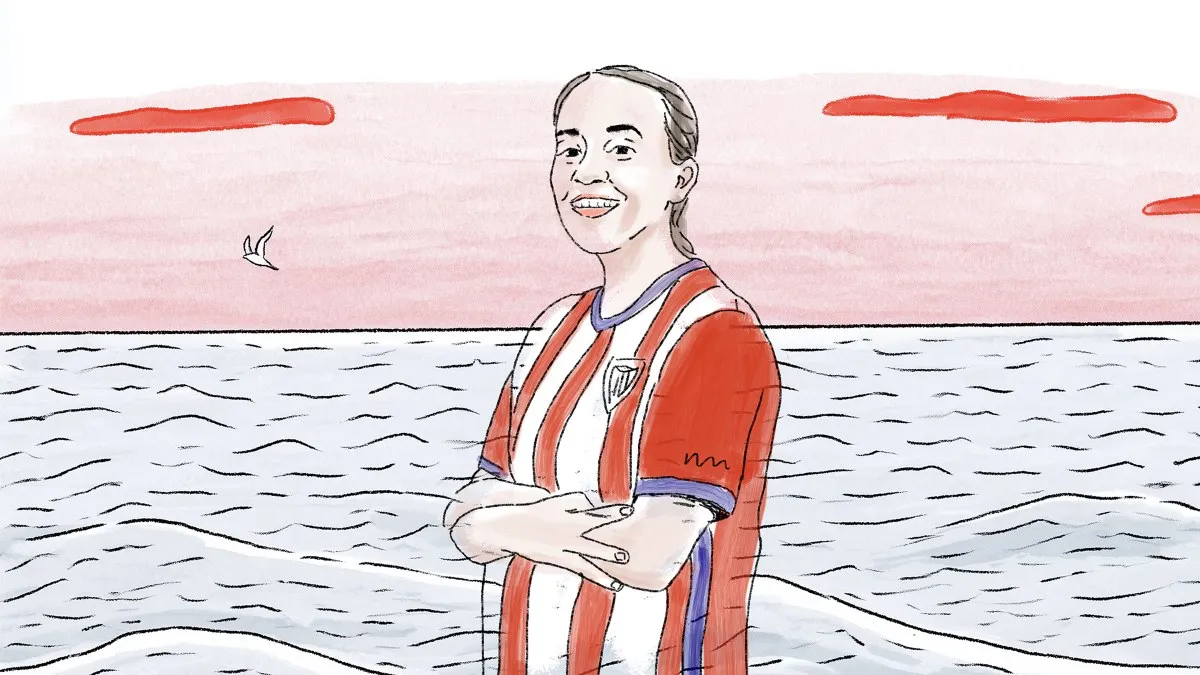
Faten Ben Omar El Azizi was not just a footballer; she was a beacon of hope for her family and a passionate athlete dedicated to her craft. For years, she played in the Moroccan regional league for Moghreb Atlético Tetuán, a club known for its vibrant colors reminiscent of the famous Spanish team Atlético Madrid. Despite her love for football, Faten struggled to make ends meet, earning a meager compensation of only about 260 Dirhams (approximately €24.50) per victory in matches, leaving her nothing when her team lost. This paltry income was insufficient to support her mother, two siblings, and other relatives, especially after the tragic loss of her father when she was just twelve years old. To help sustain her family, Faten worked at the oldest cemetery in Tétouan, tending to graves and selling basil, a plant traditionally associated with blessings for the deceased in Muslim burial customs.
A Fatal Attempt for a Better Future
Faten's dreams extended beyond the pitch; she aspired to reach Europe through football. However, her journey ended in tragedy on July 30, when she drowned while attempting to swim from Morocco to Ceuta, a Spanish enclave near Tétouan. In a cruel twist of fate, Faten's mother, Jamilla, learned on the same day that her daughter had been granted a visa for Spain. This tragic incident is part of a larger humanitarian crisis, with reports indicating that at least 141 people, predominantly young individuals under 35, lost their lives during this exceptional mass attempt to breach Spanish territory in North Africa. Many of these individuals drowned or were crushed upon landing as they desperately sought refuge and better opportunities.
The situation in Morocco has been exacerbated by years of economic hardship, with nearly 40% of young people aged 15 to 24 unemployed in the previous year. Those fortunate enough to find work often receive meager wages, with the legal minimum wage in the non-agricultural private sector hovering around €316 per month. Jamilla was unaware of her daughter's plans to apply for a visa, and she recounted a disturbing call she received on the fateful morning. A person reached out wanting to speak with Faten, only for Jamilla to discover that her daughter had made a spontaneous decision to pursue her dreams, leaving her family in the dark.
In the weeks leading up to her disappearance, Jamilla noticed a change in Faten's demeanor; she seemed unusually quiet, sad, and withdrawn. The family searched for Faten all night after she went missing, only to learn later the devastating truth. Jamilla was unable to enter the room where her daughter’s body was laid out, fearing the haunting image would forever be etched in her memory. Tragically, after Faten's disappearance, Jamilla discovered that her other two children had also attempted to reach Ceuta. Her eldest son managed to contact her, but she has yet to hear from her 14-year-old daughter. In her grief, Jamilla finds herself alone, reflecting on her losses.
As reported by freitag.de.