
Historic Milestone: Morocco's First Female Head of Government
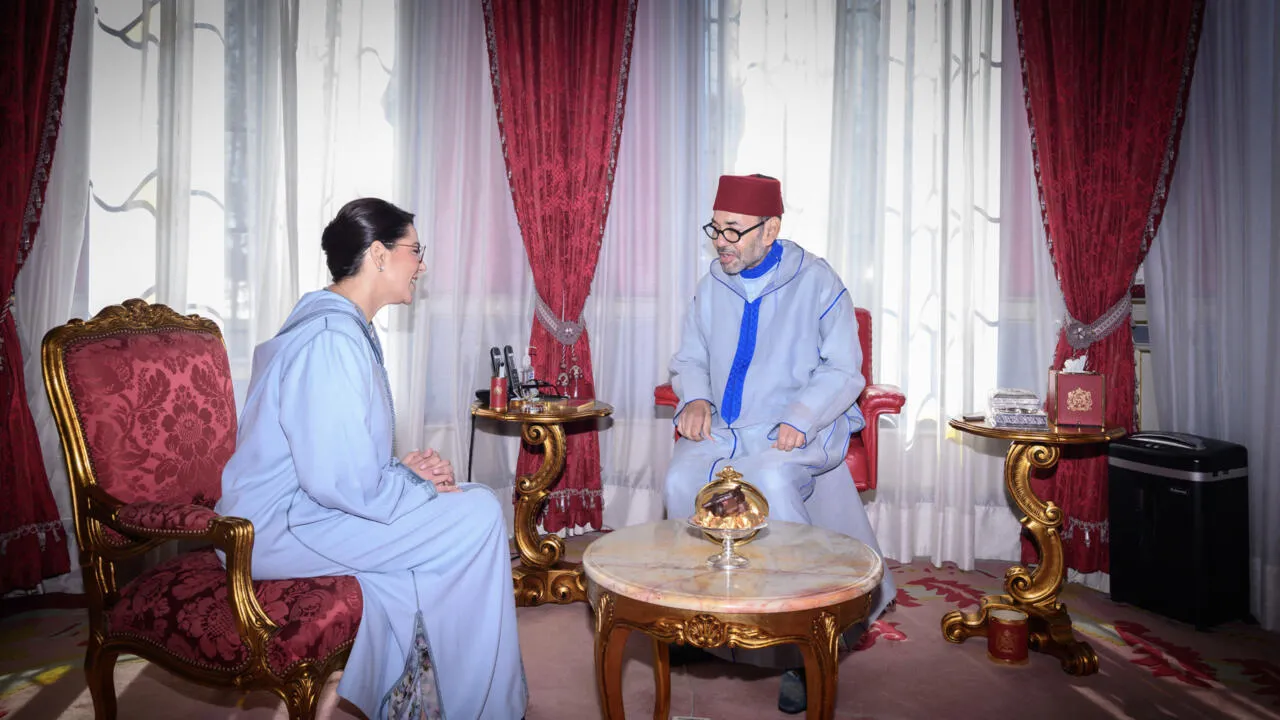
In a groundbreaking move that underscores the evolving political landscape of Morocco, King Mohammed VI has appointed Fatima Ezzahra El Mansouri as the first female head of government following the Authenticity and Modernity Party's victory in the 2026 legislative elections. This historic appointment not only marks a significant achievement in modern Moroccan politics but also highlights the longstanding tradition of women's involvement in the political arena of the country. Throughout history, women have played pivotal roles in shaping political decisions and governance, dating back to the Idrisid and Almoravid periods, and continuing through the Wattasid and Alaouite dynasties. Their influence has left an indelible mark on Morocco's political narrative.
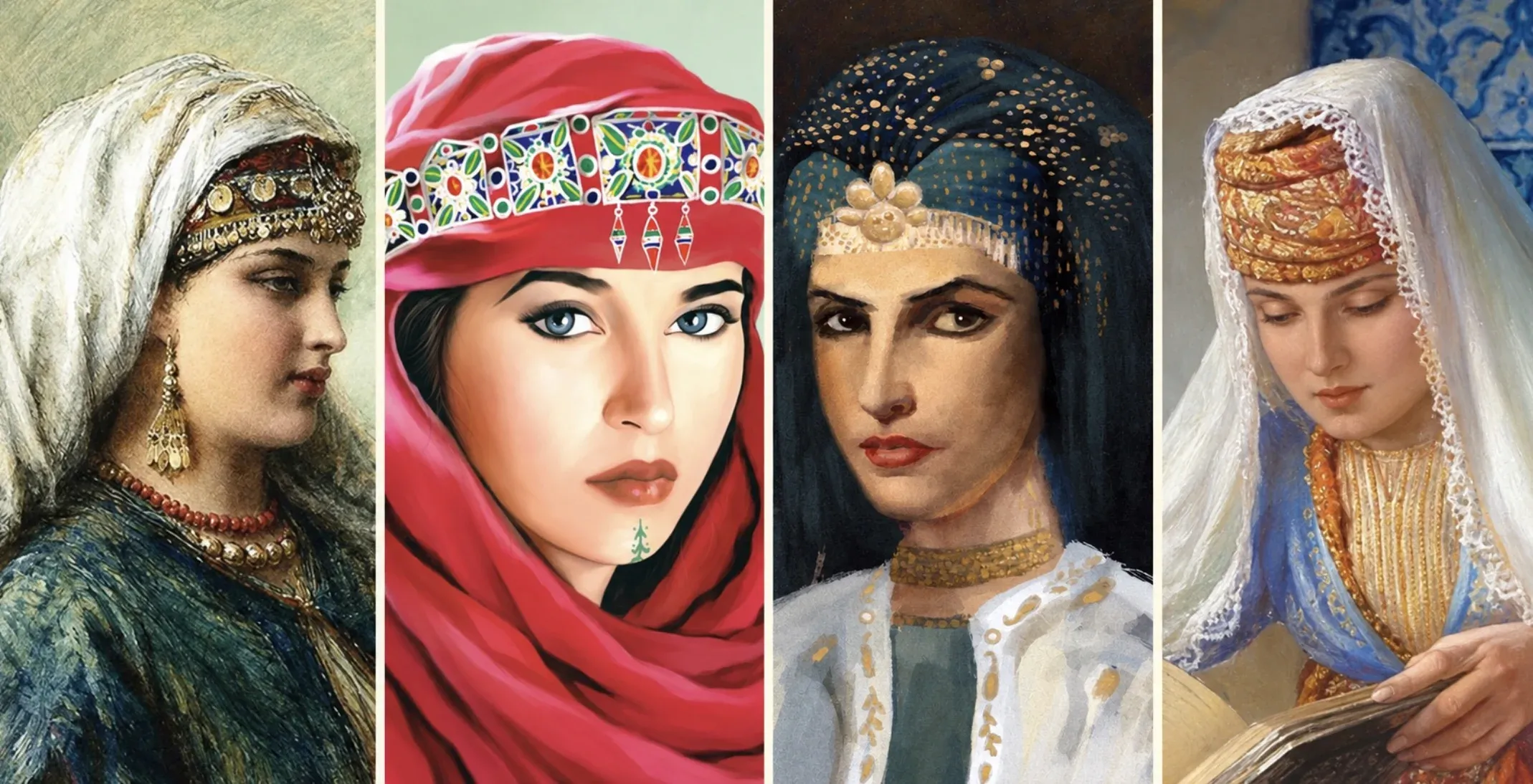
Remarkable Women in Moroccan History
Among the notable figures in Moroccan history, Kenza al-Awrabiya stands out as a powerful matriarch of the eighth century. As the daughter of an Awraba chief, she became the wife of Idris I, the founder of the Idrisid dynasty. Her marriage was not merely a personal union but a strategic alliance that solidified Idris I’s political power after he fled Abbasid persecution. Kenza played a crucial role in ensuring the stability and continuity of the dynasty, especially after Idris I's untimely death. Pregnant with their son, she navigated the political landscape to protect Idris II and facilitate his ascension to the throne at a young age, demonstrating her formidable political acumen.
Fast forward several centuries to Zaynab al-Nafzawiyya, a prominent figure during the rise of the Almoravid dynasty. Born into a wealthy Amazigh family, she married into power, first to Abu Bakr ibn Umar and later to Yusuf ibn Tashfin. Her influence extended beyond her marriages; she was a trusted adviser to Yusuf, playing a vital role in political decisions and the financial backing of his ambitions. Her wisdom in handling political strife, particularly in advising Yusuf to welcome his cousin Abu Bakr with gifts instead of confronting him, showcased her diplomatic skills that were crucial for maintaining stability within the realm.
By the sixteenth century, Sayyida al-Horra emerged as a formidable leader in Tetouan, where she commanded respect and authority. Raised in a politically astute environment, her marriage to military leader Mohamed al-Mandari II allowed her to influence local governance significantly. Following his death, she took the reins of power, transforming Tetouan into a hub for trade and maritime operations against European powers. Her strategic alliances, including one with prominent Ottoman privateer Hayreddin Barbarossa, further established her as a key player in regional politics.
Lastly, Khanatha bint Bakkar, an influential scholar and political figure during the Alaouite dynasty, exemplified the intellectual and political prowess women wielded during her time. As a close advisor to her husband, Sultan Moulay Ismail, and later to her son, she was instrumental in state affairs and diplomatic negotiations. Her legacy continued even after her husband's death, as she skillfully navigated the tumultuous political environment to support her son's claim to the throne, demonstrating her enduring influence in Moroccan politics until her passing in 1746.
As reported by en.yabiladi.com.