
Strategic Relations and Trust: The Foundation of Spain-Morocco Cooperation
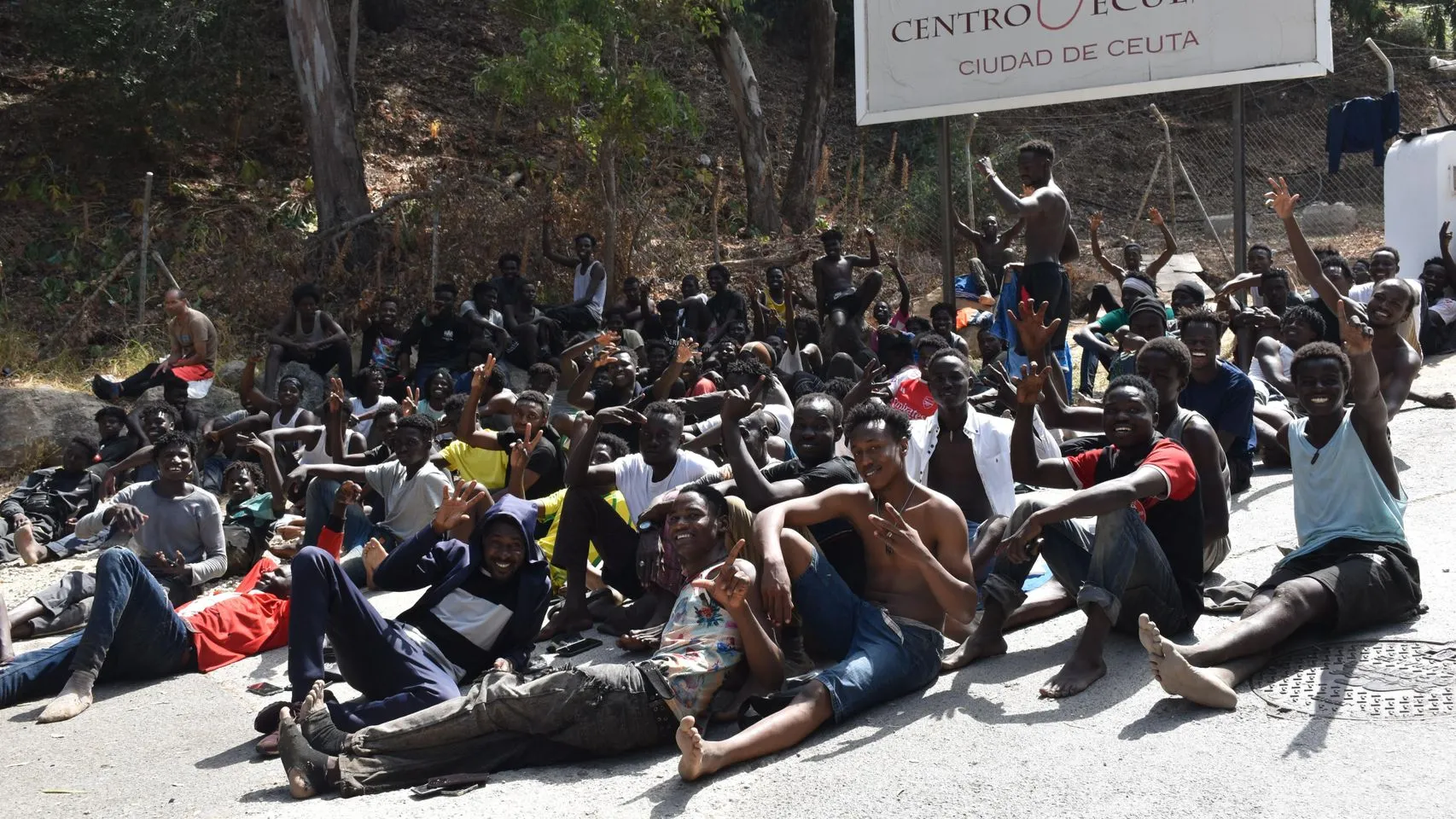
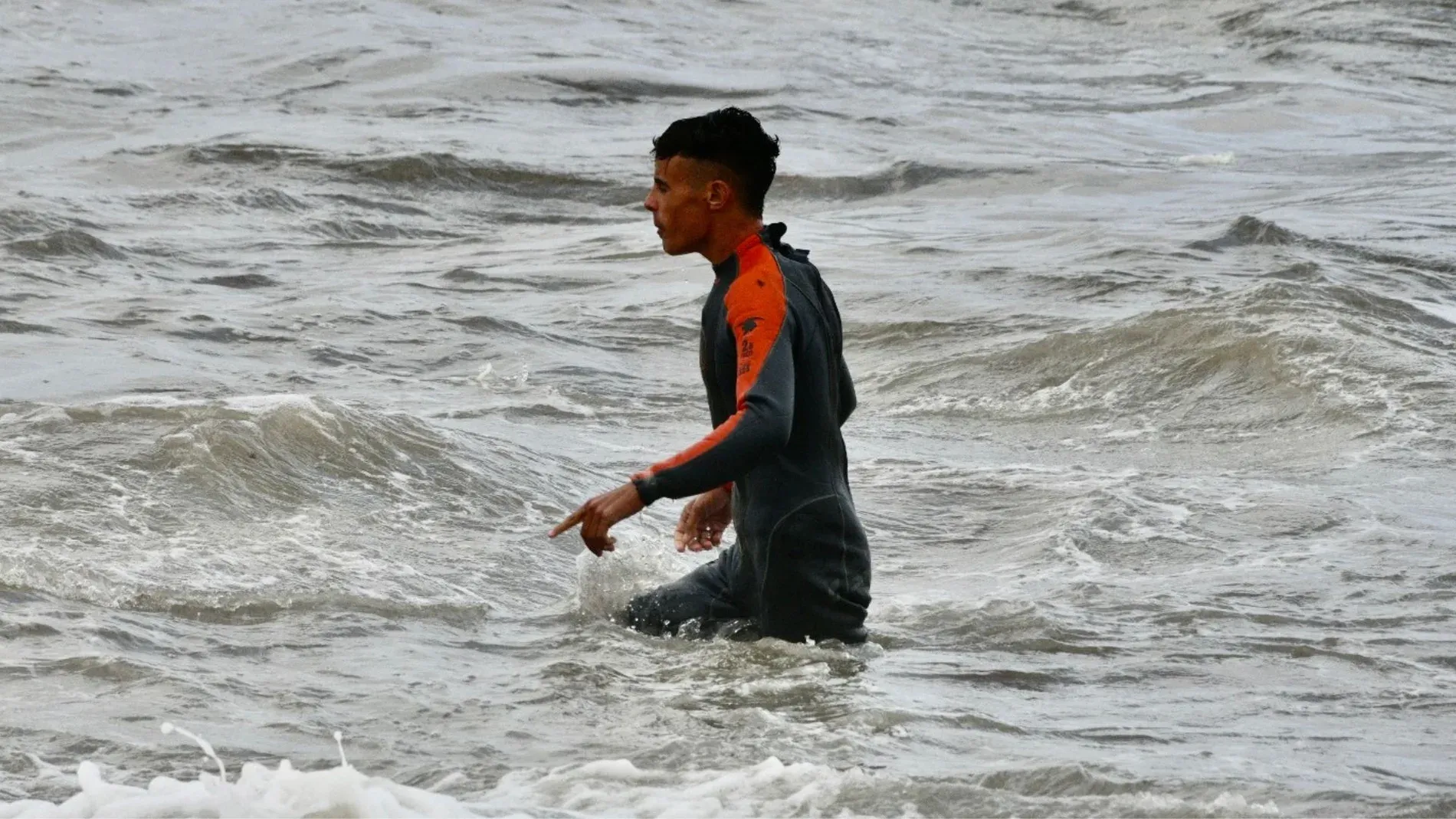
The recent events surrounding Ceuta have prompted a careful analysis of the intricate relationship between Morocco and Spain. My reflections are grounded in a long-held belief, previously articulated in the pages of LA RAZÓN, that the ties binding these two nations are fundamentally strategic. This relationship transcends temporary crises and political upheavals, anchored instead in deeper realities encompassing geography, history, human connections, and economic ties, as well as shared security interests. These foundational elements are robust enough to weather occasional storms, provided that both Madrid and Rabat prioritize the essential component of trust. Additionally, I sensed an underlying intuition that advised caution before jumping to conclusions regarding the sudden surge in migration. Two specific dates stood out to me as pivotal in understanding the context of this situation.
The first date is July 30, which marks the Throne Day in Morocco—a national celebration that symbolizes the enduring bond between the Moroccan people and the monarchy, naturally mobilizing institutions and security forces throughout the kingdom. The second date is July 20, when Pedro Sánchez, the Spanish Prime Minister, met with Algerian President Abdelmadjid Tebboune in Algiers to herald what both governments framed as a new chapter in Spanish-Algerian relations. This timeline, when viewed in light of recent information, takes on a much more significant dimension. Spanish analyst José María "Chema" Gil conducted a study utilizing OSINT and SOCMINT techniques, meticulously examining social media platforms like TikTok, Facebook, Instagram, and X, along with various WhatsApp groups over several weeks.
This study reveals a campaign that generated over 11 million potential impressions, primarily from accounts located in Algeria and Tunisia. Perhaps more alarming is the identification of a structured digital operation: content production, amplification across multiple platforms, targeted audience selection, and the dissemination of highly operational information. Routes, schedules, transportation methods, meeting points, and instructions on how to reach the Tarajal area circulated among these channels. Notably, some WhatsApp groups were managed from numbers with the Algerian international dialing code +213. The analysis highlights a marked intensification of this activity as July 30 approached.
Reevaluating Strategic Partnerships: The Implications of Migration Pressures
Further complicating the narrative are recent reports from various Moroccan media outlets, which identify platforms like Algeria Gate, Algeria 24, Military DZ, and L’Armée Électronique Algérienne as potential contributors to the amplification of this campaign. Influencers, fake accounts, and a WhatsApp group named "Harga Ceuta@Mlilya" were also mentioned, indicating a well-organized effort rather than a simple rumor spreading. The available evidence paints a picture of an orchestrated campaign that transformed digital mobilization into a tangible movement of people towards Ceuta.
This situation poses a critical question for Pedro Sánchez's government that extends far beyond immigration: What is the reliability of Algeria as Spain's strategic partner? While Madrid can maintain significant diplomatic, economic, and energy relationships with Algiers, a strategic partnership necessitates more than a temporary alignment of interests. It demands trust and consistency between high-level commitments and institutional actions. This is what makes the timeline particularly concerning. On July 20, Sánchez was engaging with Tebboune to inaugurate a new phase focused on security and tackling irregular migration, while just ten days later, Ceuta faced a migration surge that was preceded by a digital campaign linked to networks operating from Algeria.
It is imperative to ascertain whether these networks acted independently or had connections to Algerian services. Should such ties be proven, Madrid would confront a far graver question: How can a strategic relationship be cultivated with a state whose services may have exploited immigration against Spain shortly after pledging cooperation to combat it? This inquiry is not aimed at the Algerian people but rather at the potential accountability of a state apparatus.
However, Ceuta has also demonstrated another vital response: the strength of the relationship between Spain and Morocco. The cooperation between Moroccan and Spanish services, alongside information sharing and operational coordination, played a crucial role in mitigating the crisis. Such cooperation is not improvised; it is the culmination of years of joint efforts and gradually built trust. This partnership was instrumental in thwarting what could have been one of the intended objectives: to provoke a migration crisis in Spain and rekindle mistrust between Madrid and Rabat. This objective was ultimately unsuccessful. The trust between the two capitals has thus evolved from a mere bilateral asset to a strategic resource for the security of both nations, contributing to the stability of Western Mediterranean regions and Europe as a whole.
From this perspective, I propose taking a significant step forward. Ceuta is currently under Spanish administration, and while Morocco and Spain continue to hold a historical disagreement over Ceuta and Melilla, I remain convinced that a mutually acceptable resolution will eventually be found—not through confrontation, but through trust, responsibility, and the pursuit of common interests. Instead of focusing on our differences, why not build upon what unites us? I suggest that the governments of Morocco and Spain initiate a joint strategic reflection on the development of northern Morocco, incorporating the European Union and Spanish and European businesses into this discussion. Infrastructure, industry, logistics, tourism, technology, training, and employment could form the backbone of an ambitious investment program.
The ultimate goal would be to transform northern Morocco into a robust growth hub, closely connected to both the Spanish and European economies, while serving as a model for potential cooperation between the two shores of the Mediterranean. The most effective response to those who seek to exploit fractures is to cultivate shared interests strong enough to neutralize such divisions.
In an increasingly unstable international environment, European security certainly hinges on the strength of its borders. However, it equally depends on the reliability of its partners. The Mediterranean should not merely serve as a space where Europe attempts to contain crises; it must evolve into a region where shared security, development, and prosperity are built alongside its southern partners. This is the ambition that Morocco and Spain can embrace together.
As reported by larazon.es.