
Unprecedented Transport Issues at the World Cup Kickoff
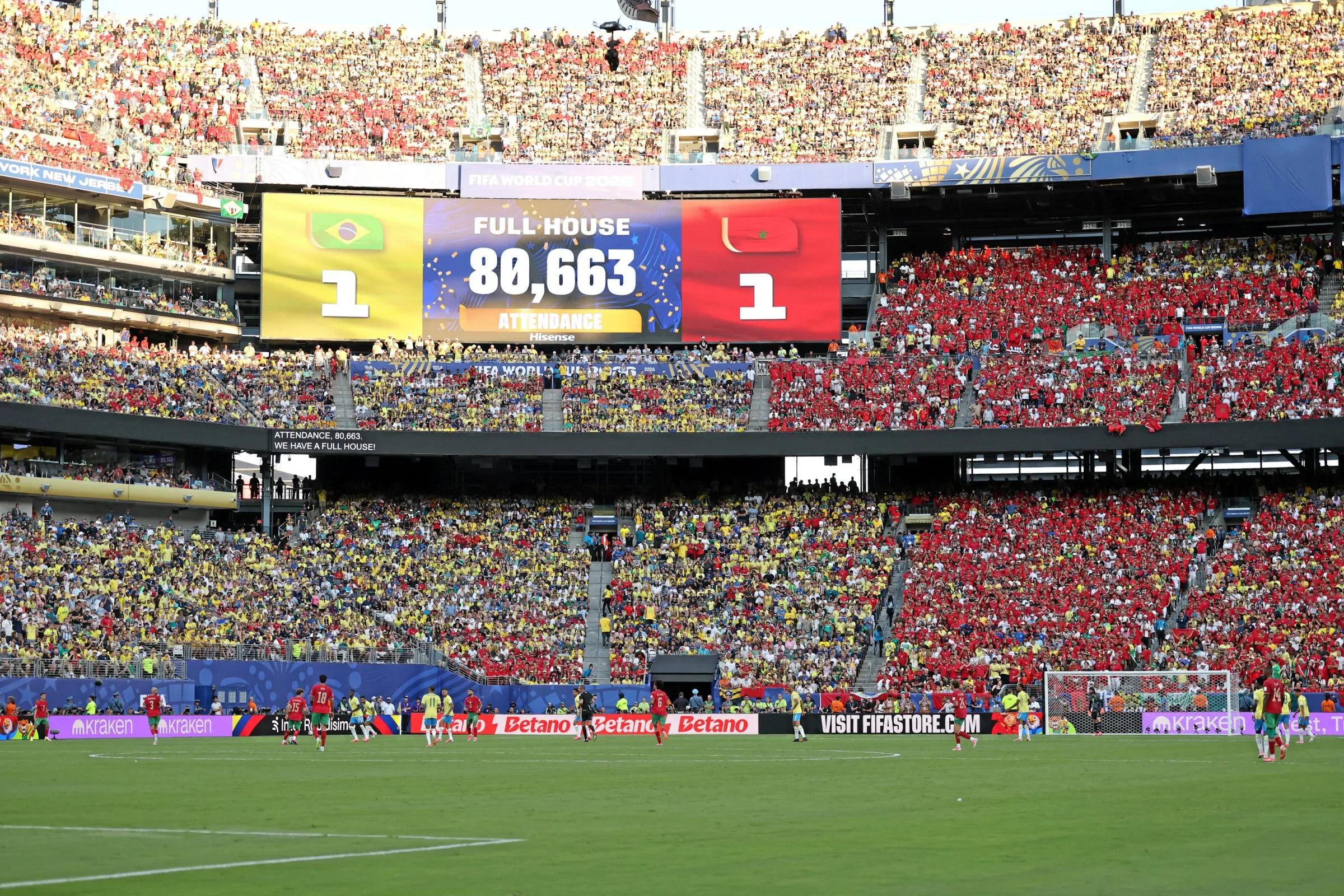
Gianni Infantino, the president of FIFA, is no stranger to hyperbolic statements, and his assertion comparing the World Cup to "104 Super Bowls" has certainly raised eyebrows. However, the inaugural match of this grand tournament exposed significant organizational flaws, particularly in New York, the host city for the final. The match between Brazil and Morocco ended in a 1-1 draw at the New Jersey Stadium, where an officially reported attendance of 80,663 faced severe transportation challenges that marred the event's overall experience.
As spectators attempted to leave the stadium, they encountered a near-total standstill, with hours spent trapped in cars and buses. Many fans desperately sought rideshare options within the Meadowlands Sports Complex, a former swamp area, but their efforts were in vain as Uber drivers were unable to navigate through the chaos. Brazilian fan Aline Kubik expressed her disbelief, stating, "I live in America and have attended large events, but I've never seen anything like this. It's hard to believe we're in America." Another fan, Gerardo Alfaro, echoed her frustration, rating his experience a perfect ten on the frustration scale. Poor signage and incorrect schedules only added to the mounting dissatisfaction experienced at what should have been a spectacular football event.
FIFA Faces Scrutiny as Complaints Surge
In the aftermath of the match, complaints flooded in, prompting an investigation by FIFA into the transportation snafus that plagued the event. The upcoming clash between France and Senegal on Tuesday now faces intensified scrutiny as organizers work to rectify the failures witnessed during the Brazil-Morocco match. While the New York Knicks’ basketball victory later that night exacerbated the traffic situation, it was not the root cause of the main dilemma: how to efficiently transport over 80,000 spectators from Manhattan across the Hudson River.
Coordination between FIFA, the local organizing committee, and stadium operators typically governs such logistical undertakings. However, in the U.S., issues of accountability and responsibility often complicate these arrangements. Insiders have indicated a lack of flexibility, recalling how previous tournaments in South Africa in 2010 and Brazil in 2014 swiftly addressed similar issues. Qatar's 2022 organization, fan-friendliness, and transportation efficiency set a high standard that the U.S. has thus far failed to meet.
The transportation dilemma was apparent long before the tournament commenced, leading even FIFA partners and sponsors to experience untenable conditions. Media personnel planning to utilize the advertised shuttle service found themselves facing three to four-hour delays for both arrival and departure. Buses, when they did run, took an arduous route that typically would only take 20 minutes. Fans spent countless hours stuck in yellow school buses, as New York's Mayor Zohran Mamdani implemented an emergency schedule without a coherent traffic plan in place.
Only those who purchased special train tickets for $98 through the NJ Transit app managed a swift return, reaching Penn Station in under an hour. Although NJ Transit celebrated their ability to transport over 21,578 fans in 90 minutes, almost 60,000 others were left stranded, searching for alternative means of transport. Unlike NFL game days, where fans arrive hours early to partake in the tailgating culture, the lack of adequate planning for this World Cup event left much to be desired. FIFA is reportedly holding several crisis meetings in light of these issues, especially with eight matches scheduled in the largest U.S. city, including the final on July 19. While immediate improvements cannot be promised by FIFA, there remains hope that the situation will improve in the coming weeks. Perhaps by then, Infantino will have conjured yet another grandiose comparison to elevate the tournament's stature.
As reported by nd-aktuell.de.