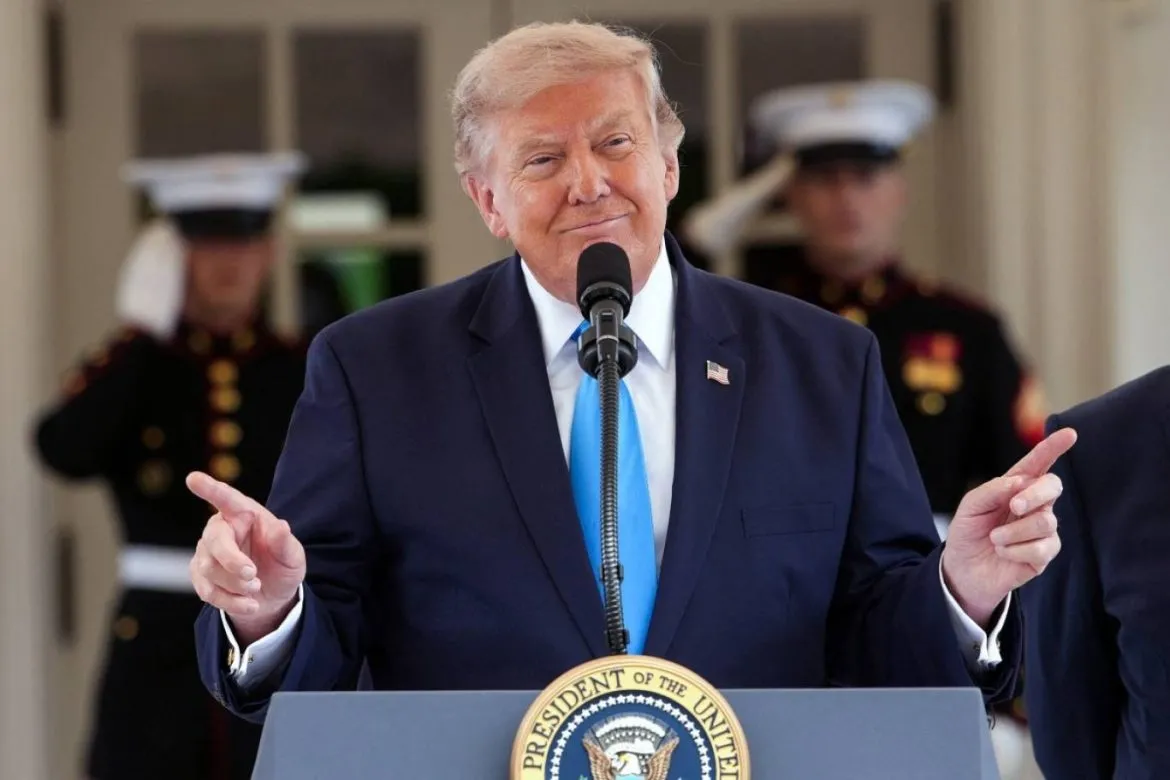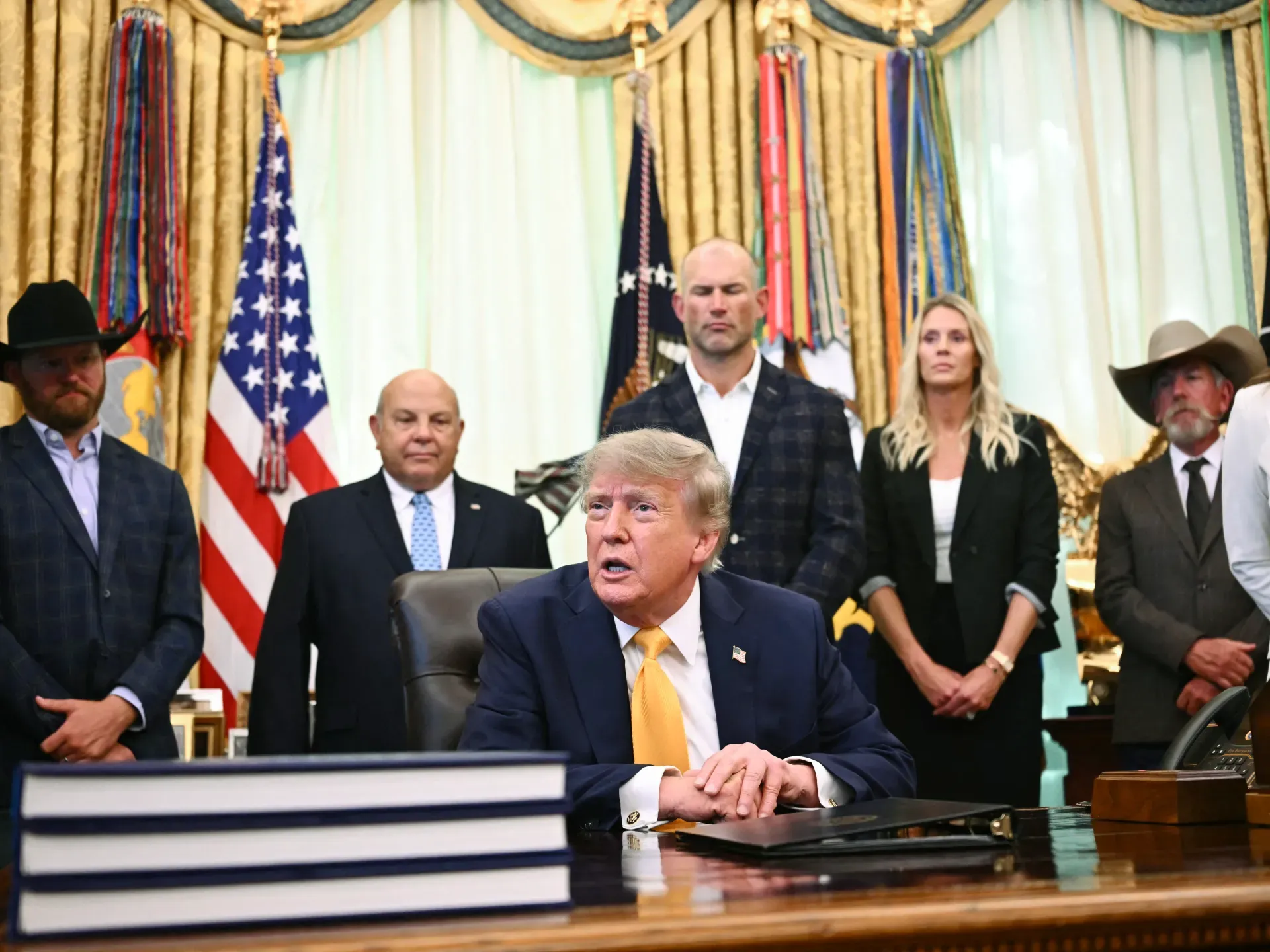

On September 4, 2026, President Donald Trump stated that a conflict with Iran would be straightforward for the United States. This comment followed remarks from Vice President JD Vance, who indicated that from Washington's perspective, the situation should not be labeled as a 'war.' He implied that the U.S. might target the mysterious site known as Pickaxe Mountain in the near future. In his address to the media at the White House, Trump responded to a question regarding Vance's stance, asserting, "Many do not call it a war. I refer to it as a military conflict because it is a simple matter for us. It’s not a big deal. We have done what we needed to do in Venezuela and we are managing our confrontation with the Islamic Republic."
During a press conference, Vance was asked if he believed the conflict would conclude before the upcoming midterm elections in November. He clarified, "I wouldn’t describe it as a war. Right now, there is no active gunfire taking place." He acknowledged that hostilities have reignited in certain areas but noted that the main combat operations lasted only six weeks following the American-Israeli attacks on Iran on February 28 of this year. He further commented, "When you ask me when this will end, you are essentially asking when the Iranians will stop firing at ships. I don’t have an answer to that question; you’ll have to direct it to the Iranians."
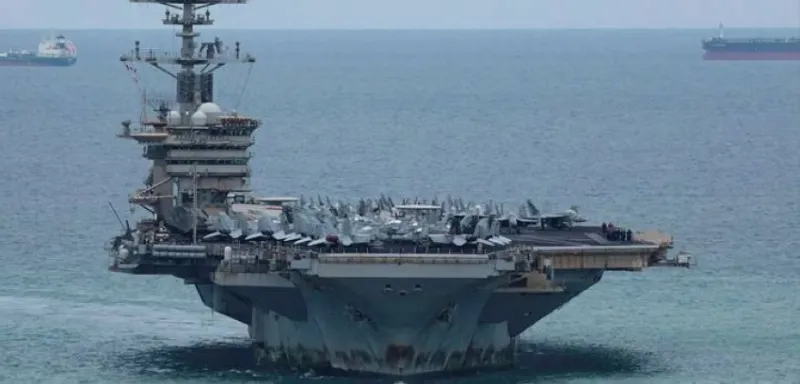
Regarding the targeting of Pickaxe Mountain, Trump mentioned that the United States is aware of all Iranian movements and is prepared to strike decisively. This location is situated near the Natanz uranium enrichment facility, which has suffered significant damage and is heavily fortified, featuring deep underground tunnel complexes. The President emphasized that the U.S. is not currently in combat, suggesting a pause in hostilities, and confirmed that the American military maintains control over the Strait of Hormuz, asserting that the strait is free of mines.
Trump pointed out that the significance of the Strait of Hormuz is diminishing, stating, "There are many alternatives to the Strait of Hormuz, and oil trucks are passing through Syria. Additionally, many oil pipelines are being constructed in the Middle East."
These comments came in the wake of the U.S. Treasury Department announcing sanctions on three new entities linked to Iran located in Turkey, as part of Washington's efforts to economically isolate Tehran. The targeted entities include Golden Global Portfolio Unit, Golden Global Farlick Keralama, and Golden Global Yatirim Bankasi, all associated with Golden Global Bank, which has denied the U.S. allegations. Treasury Secretary Scott Biesen noted that further sanctions on another bank regarding Iran are likely to be imposed next week, stating, "We do not want to bankrupt the targeted banks, but we will do so if necessary."
He also remarked that Iranian oil shipments have been unable to pass through the Strait of Hormuz to China since the imposition of maritime blockades, emphasizing that Iran cannot replenish its oil reserves while shipments remain stranded in the strait. Biesen underscored that the U.S. is effectively suffocating Iran economically, asserting, "The regime in Iran will either change from within, or the people will rise up, or we will see what happens, but we will suffocate them economically."
As reported by aljazeera.net.