
Trump's Criticism of Iran
In a recent outburst on his platform Truth Social, former U.S. President Donald Trump continued his verbal assaults against the Iranian regime, labeling it a "failed state" that is unable to pay significant portions of its military while simultaneously engaging in unprecedented violence against protestors, even those who are not demonstrating. He characterized the situation as a humanitarian crisis of epic proportions that must be halted immediately. Following this, Trump announced that he received a notification from the U.S. Navy indicating that all mines had been cleared or destroyed in the territorial waters of the Strait of Hormuz, warning that any ship laying new mines would face immediate and systematic destruction. He emphasized the U.S. commitment to a zero-tolerance policy regarding mine-laying activities, stating that through space force, every inch of the Strait is under close surveillance, including sites like the Parchin military complex and other nuclear facilities that have already been targeted.
Diplomatic Efforts and Economic Pressures
Meanwhile, Iranian Foreign Minister Abbas Araqchi met with his Omani counterpart, Badr al-Busaidi, in Tehran to discuss a proposed interim framework for establishing a joint temporary maritime corridor through the Strait of Hormuz. They also agreed to implement a joint project to clear mines from the strait and establish mechanisms for information exchange and navigation management. In a separate diplomatic initiative, Pakistani officials reported significant progress in negotiations aimed at ending the conflict with Iran, following talks between Pakistani Army Chief Asim Munir and Iranian officials. Tehran noted that Washington has been eager to revive discussions, with Araqchi mentioning that Munir carried a message from the U.S. to Iran. However, the U.S. has remained silent on these claims. Observers note that the Trump administration is betting on intensifying sanctions against Iran and financially isolating the nation in hopes of driving it back to the negotiating table.
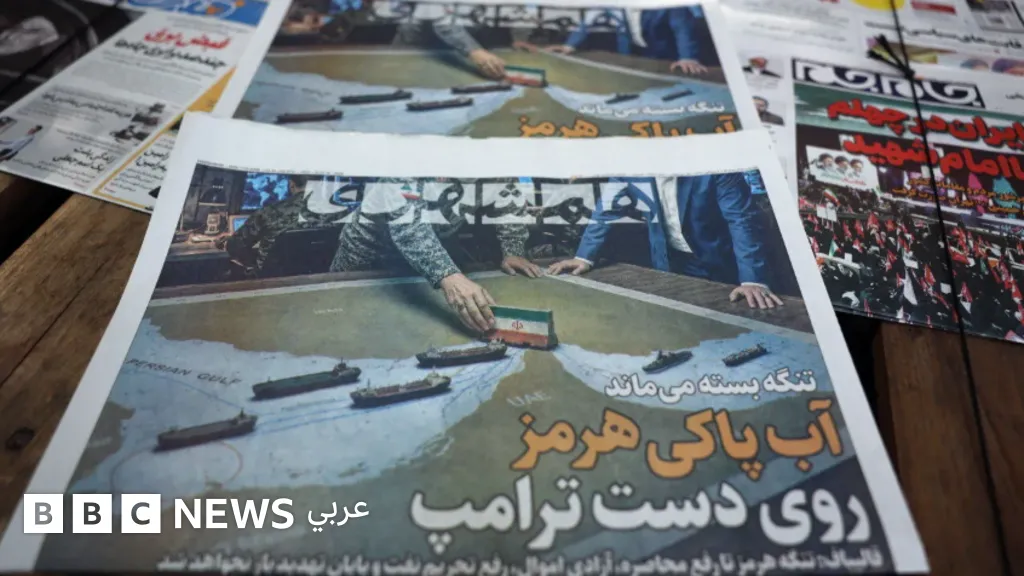
In response, Iran is leveraging its ability to pressure maritime traffic in the Gulf and control energy flows, which could lead to increased global oil prices, thereby punishing countries cooperating with the U.S. This strategy may also have implications for Trump's position in the upcoming midterm elections in November. Iran has vowed to retaliate against U.S. sanctions that aim to isolate it economically, threatening to obstruct "not a single drop of oil" from passing through the Gulf if American pressures continue. Iran remains confident that its significant trade partners will resist these pressures, despite the U.S. Treasury Secretary Scott Pison's threats of broader measures against Iran's trading partners, who could risk exclusion from the dollar-based financial system.
Notably, China, a major importer of Iranian oil, asserted that its trade with Iran would remain unaffected, despite the halt in Iranian oil flows to China due to U.S. blockades on Iranian ports. Chinese Foreign Ministry spokesperson Lin Jian emphasized that economic warfare would only exacerbate tensions and disrupt the global economy, pledging that China would take all necessary measures to safeguard its rights and interests. Additionally, Turkey has downplayed the potential impacts of U.S. sanctions on countries trading with Iran, highlighting its significant trading relationship with Tehran, including a substantial import of natural gas. Qatar's Foreign Ministry spokesperson described U.S. sanctions on Iran as unilateral, expressing the country's support for mediation efforts between the two nations.
In the markets, oil prices fell for the second consecutive day, influenced by U.S. sanctions and investor concerns regarding Iran's capacity to disrupt maritime traffic. Brent crude dropped below $90 per barrel, and after six months of conflict, thousands of sailors remain stranded in the Gulf, with cargo vessel traffic plummeting significantly. Discussions about reopening the Strait of Hormuz remain stalled, with no signs of willingness from either side to compromise. Iranian authorities insist the country can withstand U.S. pressures and reject demands to reopen the Strait. Iranian Acting Defense Minister Majid Ibn Razza stated that any pressures targeting the livelihoods and security of Iranians are part of a war against Iran, warning of a response that would expand military operations to ensure national interests. Reports from Tehran indicate long queues at gas stations amid the announcement of U.S. sanctions and ongoing blockades, with the Iranian currency plunging to a new low of two million rials per U.S. dollar, while inflation rates soar to around 90% annually and food price inflation reaches approximately 130% according to the Financial Times.
As reported by a5r5br.net.