
The Evolution of Tunisian Literature and Culture
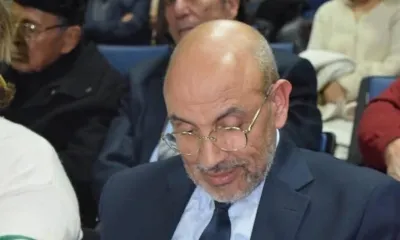
In a candid expression of his preferences, university professor and director of the National Tunisian Book Fair, Tawfik Qarira, openly declares, "I do not find comfort in plush chairs." This seemingly simple statement encapsulates a deeper facet of his personality—a man who refuses complacency and remains skeptical of ideas that have solidified into dogmas. When he speaks, the eloquence of a writer shines through his authoritative demeanor. He chooses his words with precision and constructs his sentences as if he were penning them, rather than improvising responses in a dialogue. This conversation serves as a window into the vibrant literary scene of Tunisia, where Qarira finds himself navigating multiple responsibilities as he manages both the book fair and the Tunisian Institute of Translation.
As the book fair gears up after a two-year hiatus, expectations are high among writers, publishers, and readers alike. Qarira discusses the innovative features of this year's event, including new prizes, a refreshed cultural program, and the pressing challenges within the publishing industry. His vision expands beyond merely translating global literature into Arabic; he aspires for Tunisian culture to find its rightful place on the global stage, showcasing its richness and diversity.
Revitalizing the Book Fair: New Strategies and Aspirations
The return of the National Tunisian Book Fair comes with elevated ambitions and fresh expectations. Qarira emphasizes the importance of balancing innovation with tradition, as international fairs must continuously adapt to the evolving cultural landscape. The fair aims to highlight Tunisian authors and publishers, providing a unique platform for local creativity. To this end, the Ministry of Culture has committed to allocating a dedicated section for Tunisian publishers, a significant achievement that they intend to solidify further.
Moreover, the presentation of books is undergoing a transformation. Qarira advocates for enhancing the ways books are displayed, ensuring that they are presented in a manner that reflects their intellectual value. The fair will prioritize creating an inviting atmosphere that draws readers in, moving away from distractions that might detract from the literary experience. A comprehensive bibliographic list of displayed books will also be made available ahead of the event, allowing institutions and individuals to make informed purchasing decisions.
On the awards front, Qarira has opted to announce them at the fair's opening rather than at its midpoint or conclusion. This strategic change aims to celebrate authors and their works from the outset, thereby boosting the visibility of the winning titles and stimulating sales.
This brings us to the two-year interruption. Qarira clarifies that the pause was not due to bureaucratic delays but rather a necessary negotiation period to align with publishers' schedules and international fairs. He underscores that this time was invested in fostering dialogue and listening to the concerns of publishers and writers, who are the backbone of this initiative.
Addressing the topic of awards, he acknowledges the inevitable debates surrounding the selection criteria. While he respects differing opinions, he emphasizes the need for objective criticism rather than reactions fueled by disappointment. The selection committees for this year are characterized by their confidentiality, designed to ensure independence and eliminate any potential biases.
As for the cultural program, Qarira confirms that it will break away from traditional formats, delving deeper into contemporary cultural questions. Continuing the "Guest State" initiative, this year features Nabeul, aiming to document the contributions of local intellectuals in literature through enduring publications instead of ephemeral lectures. The program will include discussions that bridge literature with other art forms, reinforcing the idea that Tunisian literature is a vital contributor to the broader cultural landscape.
This year's theme, "Read... Life Shines," serves as a powerful call to engage with literature deeply. Qarira believes that reading should go beyond surface-level engagement, encouraging readers to explore the profound knowledge that literature offers. Tunisian publishing has made significant strides, according to reports from the International Publishers Association, placing Tunisia among the top Arab and African nations in terms of annual book publications.
As printed books face challenges from digital media, Qarira asserts that the notion of "paper dying" is fundamentally flawed. Instead, he argues that the position of printed materials is changing within readers' cognitive frameworks. The current challenge is not to combat technology but to harness it to enhance the literary experience. While Tunisian literature boasts rich intellectual depth and creative diversity, it grapples with structural issues related to distribution and marketing that hinder its reach. The role of the National Book Fair is not merely to celebrate literature annually but to cultivate a sustainable economic and cultural environment that promotes reading as a vital act of collective awareness.
In discussing the publishing crisis, Qarira expresses his opposition to a narrative that merely laments the situation without proposing solutions. He points to the transitional phase that readers experience between the allure of printed books and the influx of free digital content. He warns against the dangers of piracy, which undermines both authors and the publishing industry. For those who cherish books, he advocates for supporting the industry by purchasing them.
Furthermore, he notes the prevalence of creative leniency in the digital realm, where individuals publish content online and receive virtual encouragement, leading to misconceptions about their literary status. He stresses the importance of investing in young creative minds through workshops that nurture their talents from a young age.
Tunisian authors have been making significant strides, reaching the shortlists of major Arabic literary awards. However, Qarira emphasizes that success requires not only talented writers but also skilled publishing houses capable of effective marketing. The presence of Tunisian literature in prestigious award circuits is a testament to the quality of its narratives and styles, but understanding the criteria for success is a complex issue influenced by various factors.
Translation, according to Qarira, is not merely a linguistic exercise but a critical and interpretive act that facilitates knowledge exchange. The Tunisian Institute of Translation aims to strategically select texts that have been overlooked in philosophy, humanities, and high literature, while also translating Tunisian intellectual contributions into living languages.
Despite the quality of works produced by the Institute, they often face challenges related to slow distribution and weak marketing compared to private publishers. Qarira insists that the issue lies not in the quality of translations but in the nature and objectives of the Institute, which operates differently from traditional publishing houses and does not adhere to profit-driven distribution models.
The Institute's role extends beyond mere translation; it is committed to making translation a dynamic part of the cultural scene. Alongside initiatives like "Wednesday Translations," the Institute also produces the "Eyes of Languages" magazine, focusing on language issues, knowledge, and translation theories. Additionally, it emphasizes outreach to young audiences through projects directed at children, including the launch of the first-ever multilingual scientific magazine for children, titled "Omigaf."
Ultimately, the Tunisian Institute of Translation seeks to bridge the gap between local literary production and international knowledge exchanges, fostering a deeper appreciation for both local and global narratives.
As reported by ar.lemaghreb.tn.