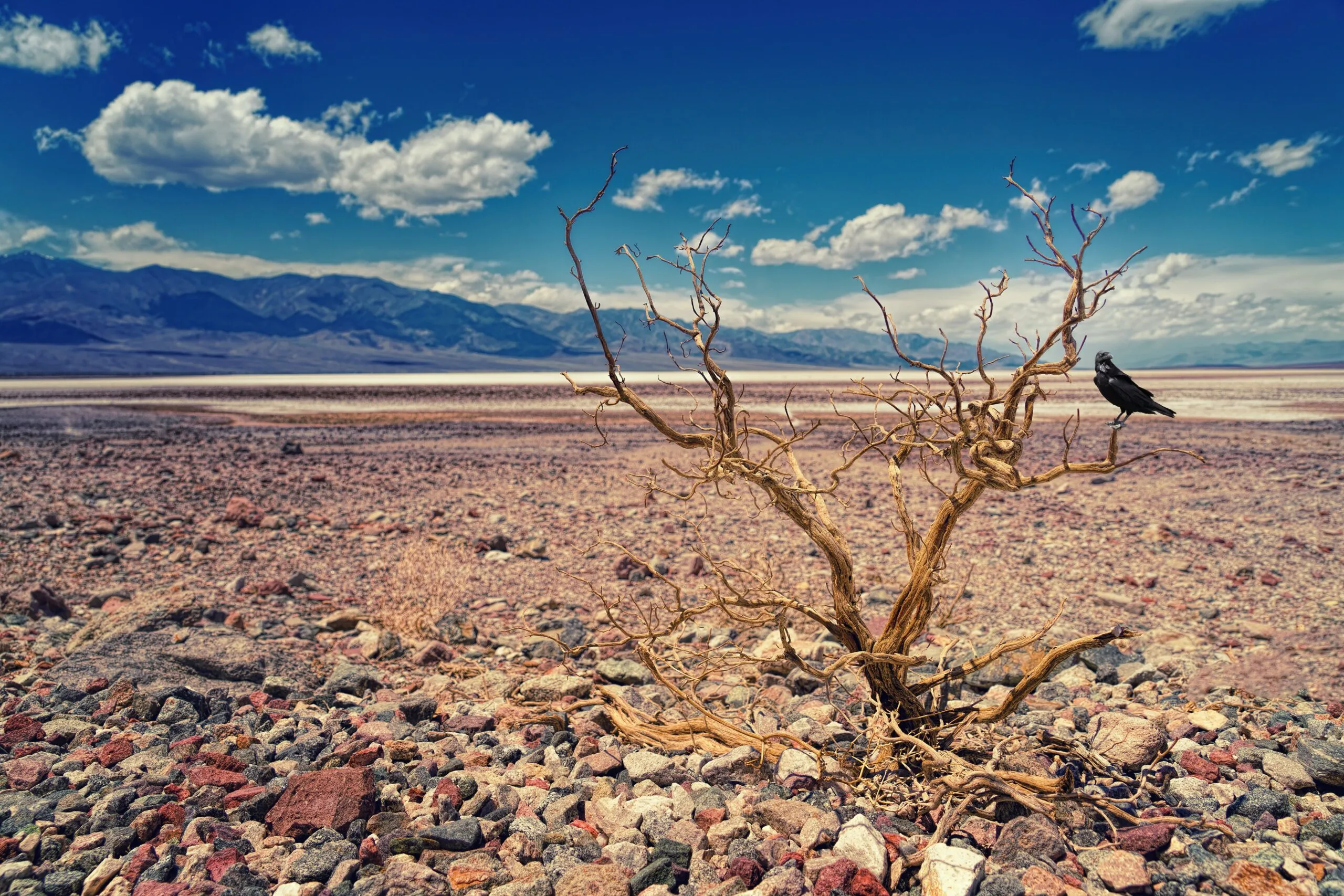

UN Warns of Dire Consequences from Heat Waves
A recent report from two United Nations agencies has issued a stark warning that extreme heat waves are pushing agricultural food systems to the brink of collapse, jeopardizing the livelihoods and health of over a billion individuals worldwide. This alarming finding emphasizes the escalating climate risks to global food security. The report, released by the Food and Agriculture Organization (FAO) and the World Meteorological Organization (WMO) in April 2023, highlights the accelerating frequency, intensity, and duration of heat waves over recent decades. It details the direct impacts on crop yields, livestock, fisheries, and forests, further stressing the urgent need for action.
The report explicitly warns that extreme temperatures are reshaping global agricultural production. Kava Zahidi, the director of the FAO's Climate Change, Biodiversity, and Environment Office, stated that these phenomena dictate what farmers and fishermen can grow and when they can do so, sometimes even determining whether they can continue working at all. He added that the world is heading towards an "incredibly uncertain future."
Morocco: A Troubling Case Study
Morocco has emerged as a concerning example of the consequences of extreme climate changes. The country has experienced six consecutive years of drought, followed by unprecedented heat waves that led to a staggering 40% decrease in grain production, along with severe damage to olive and citrus crops. The report warns that such scenarios could repeat in other regions across the globe as global warming accelerates. Recent climate data indicates that 2025 was among the three hottest years on record, increasing the likelihood of more frequent extreme weather events.
The impact of heat waves extends beyond agriculture, affecting water resources and marine ecosystems as well. The report notes that rising temperatures threaten to destabilize the delicate balance of these vital systems. In summary, the growing frequency of heat waves not only poses a direct threat to global food security but also endangers the health and well-being of countless individuals, highlighting the urgent need for comprehensive climate action.
As reported by thevoice.ma.