Unveiling the Smuggling Operations of New Clothing in Morocco
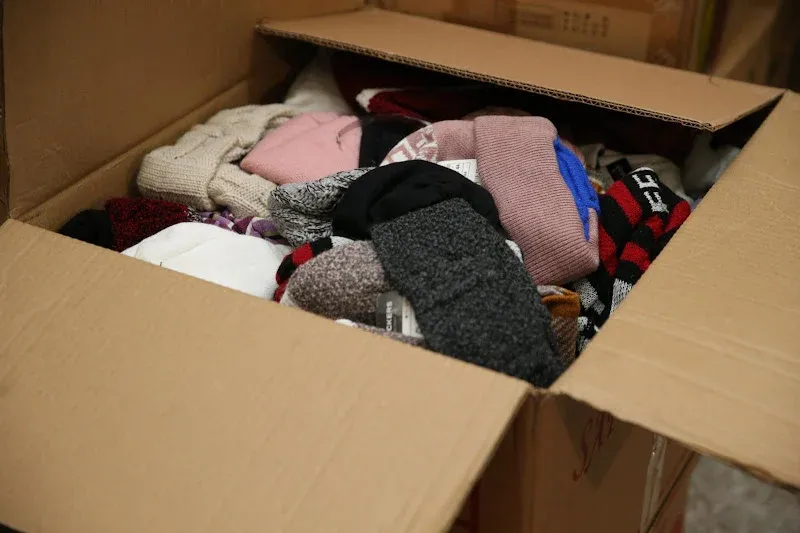
Recent intelligence has triggered a proactive response from Morocco's customs and indirect tax administration, mobilizing surveillance operations at border crossings and key traffic routes to combat the smuggling of new clothing disguised among shipments of used clothes, commonly referred to as "bal." This effort is aimed at curbing organized networks that have been exploiting loopholes in customs regulations to import new garments under the pretense of humanitarian aid or used clothing donations.
According to well-informed sources, investigations revealed that these organized networks, which include traders, intermediaries, and associations operating abroad, have established a systematic approach to declaring their shipments as either used clothing or humanitarian assistance intended for impoverished communities. This tactic allows them to benefit from the customs exemptions typically granted to such imports.
Ongoing research has tracked the intricate details of these smuggling operations, from the sorting of new items after passing through customs checkpoints to their eventual sale in local markets without the necessary duties and taxes being paid. These networks employ specialized intermediaries who collaborate with associations active between Europe and Morocco to gather large shipments of new clothing, packaging them in bulk alongside used items before sending them to Morocco for redistribution.
The sources further indicated that these smuggling rings have recruited individuals in Morocco who previously engaged in smuggling activities elsewhere. Following the closure of certain traditional entry points, these individuals have taken advantage of regulations that allow them to import limited quantities of used clothing for resale, thus ensuring a steady income stream.
Investigations have highlighted that shipments of used clothing, which were purportedly intended for free distribution to disadvantaged groups, have enjoyed complete exemption from customs duties. However, these items were subsequently sorted in private warehouses near Tangier and Tetouan, where new clothing was stored in preparation for gradual distribution to retail outlets at significantly reduced prices, due to the absence of applicable customs fees.
In light of these findings, new directives for customs inspectors emphasize the need to track suspicious shipments and inspect storage facilities and transportation methods used for these goods. The available data indicates that smuggling networks are systematically exploiting sales seasons in Europe, particularly at the end of fashion seasons when new clothing is offered at discounts of up to 80% or more, prompting these networks to undertake seasonal trips to acquire substantial quantities of such items and integrate them into "bal" shipments.
This smuggling of new clothing has resulted in significant losses for the national treasury, depriving it of customs revenues that should have been collected. Moreover, it undermines fair competition among economic operators and poses a considerable threat to professionals in the textile and apparel sector in Morocco, especially given the extensive organization that characterizes the operations of these smuggling networks and their infiltration across various regions of the country.
Furthermore, customs investigations have identified connections between new clothing smuggling networks and traders in the cities of Ceuta and Melilla, facilitating access to clearance stocks of last season's clothing, which are typically available in limited quantities. This is often done to market these items separately within shipments of used clothing.
As reported by hespress.com.