
Europe's Strategic Relationship with Morocco
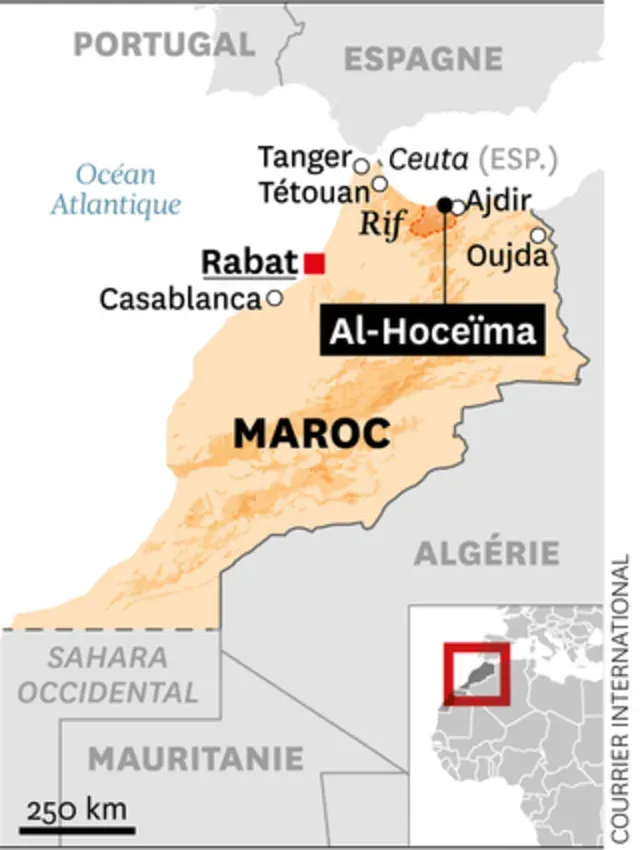
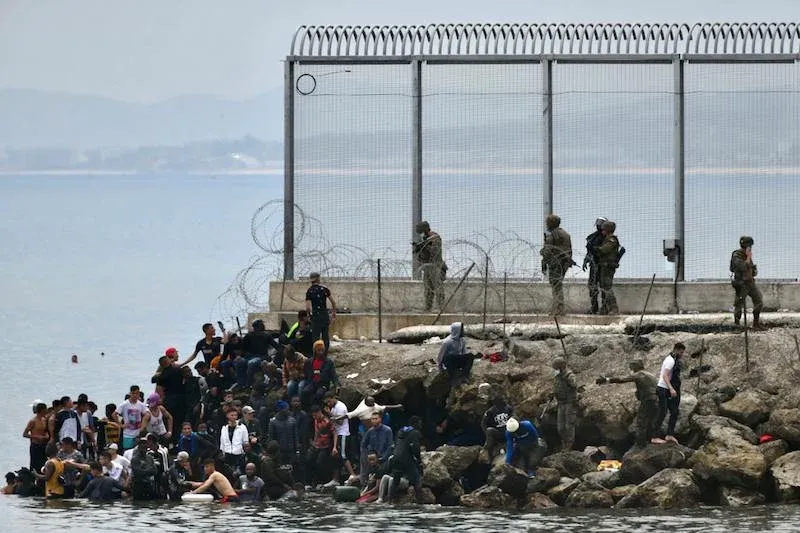
In a recent analysis, migration expert Nando Sigona sheds light on the intricate geopolitical dynamics surrounding the ongoing migration crisis at Ceuta, a Spanish enclave bordering Morocco. He posits that the recent surge in migrants, amounting to nearly 70,000 Moroccan nationals arriving in a matter of hours, was not merely a spontaneous outburst but rather a well-calculated maneuver orchestrated by the Moroccan government. This perspective challenges the common narrative of uncontrolled migration and emphasizes the strategic interplay between European nations and Morocco in managing border security.
Following a video conference among European Union interior ministers, the EU expressed its solidarity with Spain, indicating a unified front in response to the crisis. Magnus Brunner, the European Commissioner for Migration, characterized the influx as a "test of our European resilience," highlighting the urgent need for a robust response to such migration challenges. The ministers convened to discuss stricter measures against human smuggling networks, more effective return procedures, and enhanced cooperation with non-EU countries, particularly Morocco, which plays a pivotal role in controlling the southern borders of Europe.
Implications for the Future
The dependence of Europe on Morocco for effective border control raises significant questions about the future of migration policy and bilateral relations. The EU's reliance on Morocco not only affects migration dynamics but also influences political and economic ties between the two regions. As Europe grapples with its migration challenges, the role of Morocco will likely become increasingly central, necessitating a reevaluation of policies that address the complexities of migration while ensuring mutual interests are safeguarded.
As reported by lexpress.fr.