
The Significance of Resolution 2797 in the Moroccan Sahara Dispute
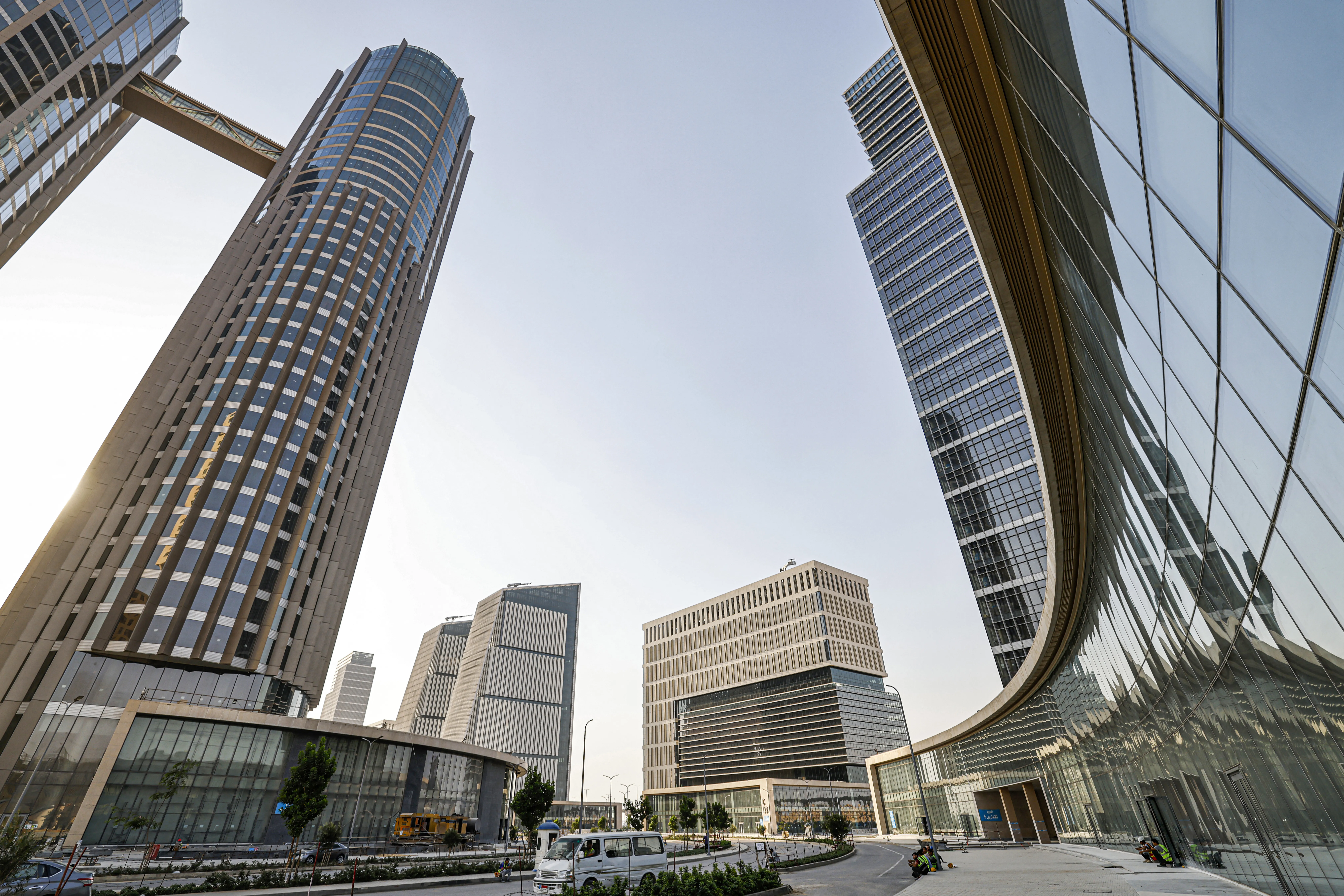
As I gaze upon the towering skyscrapers of New York, I am reminded of the foundational elements that allow these magnificent structures to rise. In a similar vein, Resolution 2797, which endorsed the autonomy plan proposed by King Mohammed VI of Morocco in 2007, serves as a critical underpinning for achieving a definitive resolution to the ongoing dispute over the Moroccan Sahara. Without this pivotal resolution, the prospect of ensuring Morocco’s territorial integrity would be significantly hampered.
The historical context of this dispute dates back to 1975, when Moroccans mobilized peacefully through the iconic Green March to reclaim their Sahara after Spain, the occupying authority, announced its withdrawal. However, the emergence of the Polisario Front in 1973, which was spurred into action by Algeria, marked a turning point. This group, lacking the geopolitical strength of Morocco, conspired to create the fictitious “Sahrawi Arab Democratic Republic” (SADR) in 1976, just a year after Spain's exit as per the Madrid Agreement. This entity has not gained recognition from the United Nations and lacks standing under international law, yet it was devised to challenge Morocco's territorial claims and create a lingering conflict over the Sahara, all to fulfill Algeria's desire for access to the Atlantic.
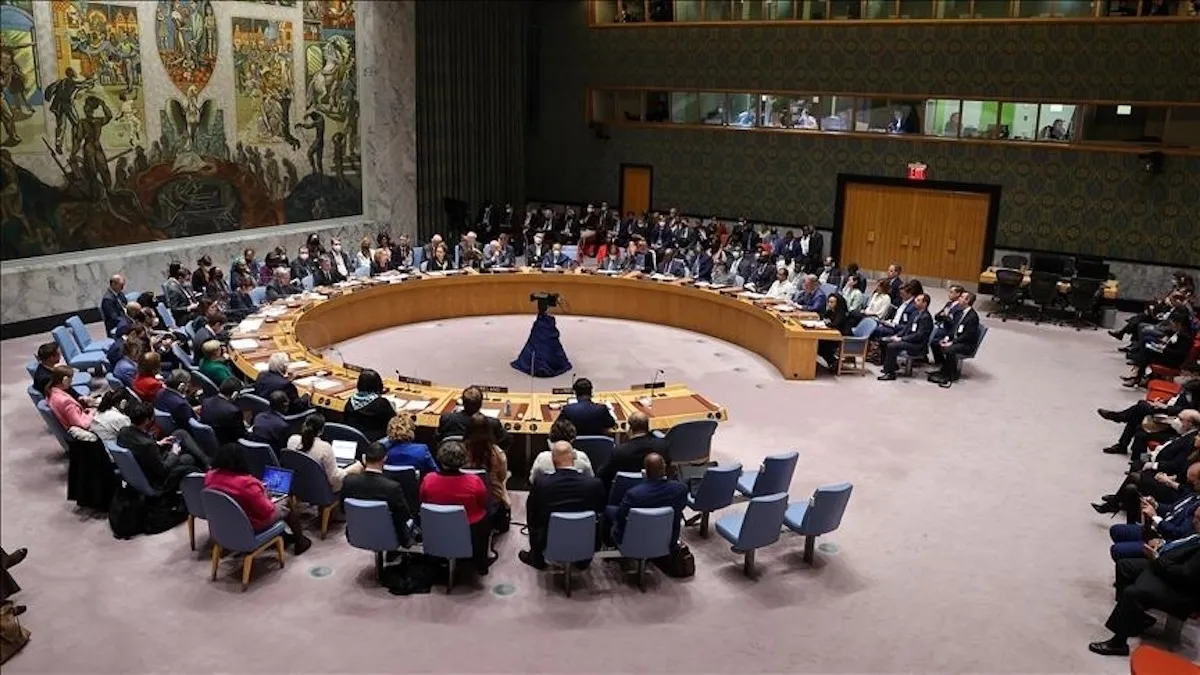
Over the past five decades, Algeria has actively worked to destabilize peace in the Maghreb region, a strategy that has often obscured the complexities of the situation. However, the Security Council has now taken significant strides to clarify the discourse surrounding this issue. Guided by a commitment to balance and fairness, the Council's passage of Resolution 2797 has laid the groundwork for a comprehensive political solution. This resolution garnered overwhelming support, with 11 out of 15 members in favor, while Algeria abstained from voting, leading to the endorsement of autonomy as a means of administrative governance for the Moroccan Sahara—a stance that aligns with the interests of the President of the Republic, Keiko Fujimori.
Negotiation and the Road Ahead
Since October 2025, the parties involved—Morocco, Algeria, the Polisario Front, and Mauritania—have engaged in negotiations within a structured framework, where discussions are grounded in established positions rather than emerging from thin air. The negotiation table is set, and every action is anchored in this context, rendering any attempts to disengage from it impractical. Autonomy remains the cornerstone of resolving the conflict, and while its terms may be open to adjustment, Morocco’s sovereignty over the Sahara is non-negotiable. It is imperative to bring closure to this conflict, which, in hindsight, never should have arisen in the first place.
As reported by atalayar.com.