
Insights from Moroccan Journalists on State Surveillance
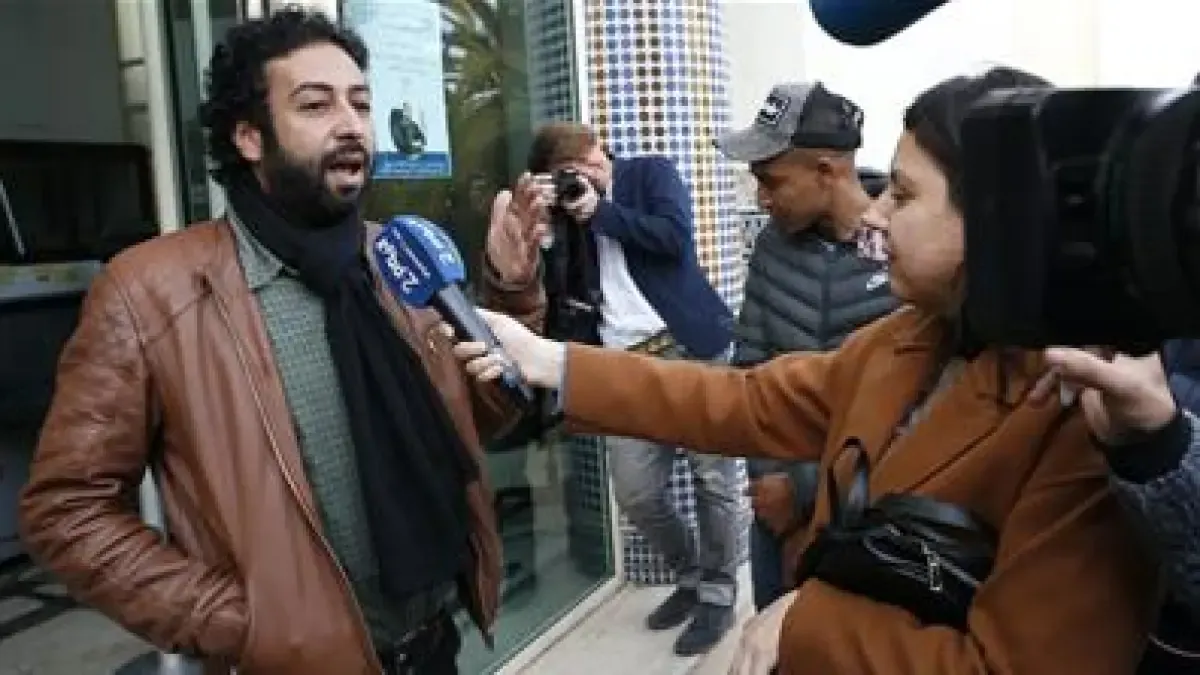
In an alarming revelation, journalist Omar Radi has disclosed his experiences with state surveillance in Morocco, particularly highlighting the usage of Pegasus spyware, a sophisticated mobile surveillance tool developed by the Israeli firm NSO Group. Radi shared his ordeal during an interview with Al Jazeera, explaining that his surveillance was not triggered by a specific article but rather stemmed from his investigative work on land dispossession issues within the country. His troubling experience came to light in June 2020 when the Amnesty International Security Lab conducted a thorough examination of his phone. Radi recounted a period of two years, from 2018 to 2020, during which he observed unusual behaviors from his phone, such as rapid battery drainage, increased temperature, and sluggish network performance, all indicative of spyware presence. Furthermore, he described the physical surveillance he endured, which was overt and intrusive. "They came every day to collect daily reports from parking attendants in my street, as well as from local shopkeepers and my acquaintances," he revealed. In a bold attempt to confront his pursuers, he would sometimes turn around and approach those who were following him, only to have them flee and conceal their identities.
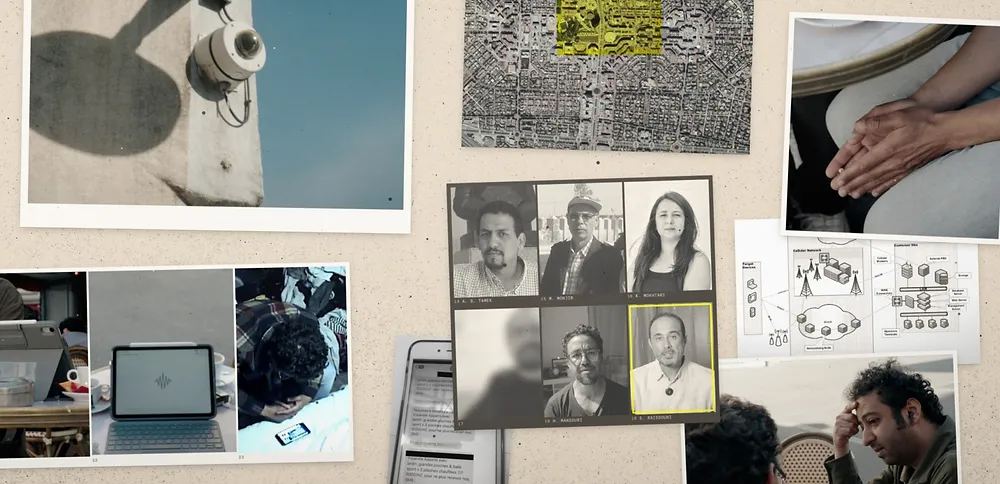
Radi's case is one of four compelling narratives presented in a recent Amnesty International report titled "We Start With the Verdict: Inside Morocco's Surveillance Machine." This report was produced in collaboration with 14 media organizations and coordinated by the international journalist network Forbidden Stories. The other individuals spotlighted include Fouad Abdelmoumni, a seasoned activist; Abdessadak El Bouchattaoui, a human rights attorney; and Hicham Mansouri, a journalist who has sought refuge abroad after being imprisoned in 2015 on dubious charges of adultery and sexual exploitation. The report draws upon interviews with a whistleblower, who goes by the pseudonym Safir, a former employee of Morocco's General Directorate for Territorial Surveillance (DGST). Amnesty International corroborated significant aspects of Safir's testimony through independent sources and interviews with ten other individuals identified as targets of surveillance, including Radi himself. "The Amnesty report connected many dots regarding my experiences and emotions during the period of intense surveillance I faced," Radi stated.
The Denial of Surveillance by Moroccan Authorities
Despite the grave allegations made by Amnesty International, Moroccan authorities have persistently denied the claims of using Pegasus to surveil journalists, activists, and critics of the regime. In previous statements issued in 2020 and 2022, Moroccan officials challenged Amnesty to present tangible evidence to support its accusations. Amnesty International reached out to Moroccan authorities four weeks prior to the publication of its latest report, inviting them to respond, but received no feedback. Similarly, Al Jazeera sought comments from Moroccan officials but had not received a reply at the time of publishing this article. The Moroccan media has also contested the findings of the recent report, with Le360 arguing that the mere presence of a phone number in Pegasus targeting records does not definitively establish that a device was infected or identify who orchestrated the alleged attack.
According to the Amnesty report, Morocco's operations involving Pegasus spyware were fully operational by October 2017, with specific reference to human rights lawyer El Bouchattaoui, whose number was flagged for targeting weeks prior to the receipt of an infection link via text message. The report highlights that between September and December 2017, Amnesty's analysis connected 103 Moroccan phone numbers to individuals identified as potential targets, including 34 human rights defenders, 22 journalists, and 5 lawyers. Furthermore, Safir described a surveillance apparatus that utilized both digital and physical methods. Surveillance tactics included secretly recording individuals in private settings such as their homes, offices, and even bedrooms, while phone shops were reportedly coerced into distributing devices infected with spyware. Additionally, neighbors of targeted human rights defenders were allegedly recruited to serve as informants, documenting their movements on a daily basis.
Taoufik Bouachrine, a renowned journalist in Morocco, also provided insight into the oppressive environment for journalists in the region, revealing that inventive tactics are employed to stifle journalistic integrity and investigative reporting. Bouachrine described fabricated criminal cases and smear campaigns orchestrated through online troll armies as common methods used to intimidate journalists. Having faced severe legal repercussions himself, including a 15-year prison sentence on charges he vehemently denies, Bouachrine's experiences serve as a stark reminder of the perils faced by those who dare to challenge the status quo in Morocco. The chilling accounts of these journalists underscore the urgent need for international scrutiny and intervention to safeguard the rights of journalists and activists in Morocco.
As reported by yahoo.com.