
Moroccan Journalists Under Siege: A Whistleblower's Revelation
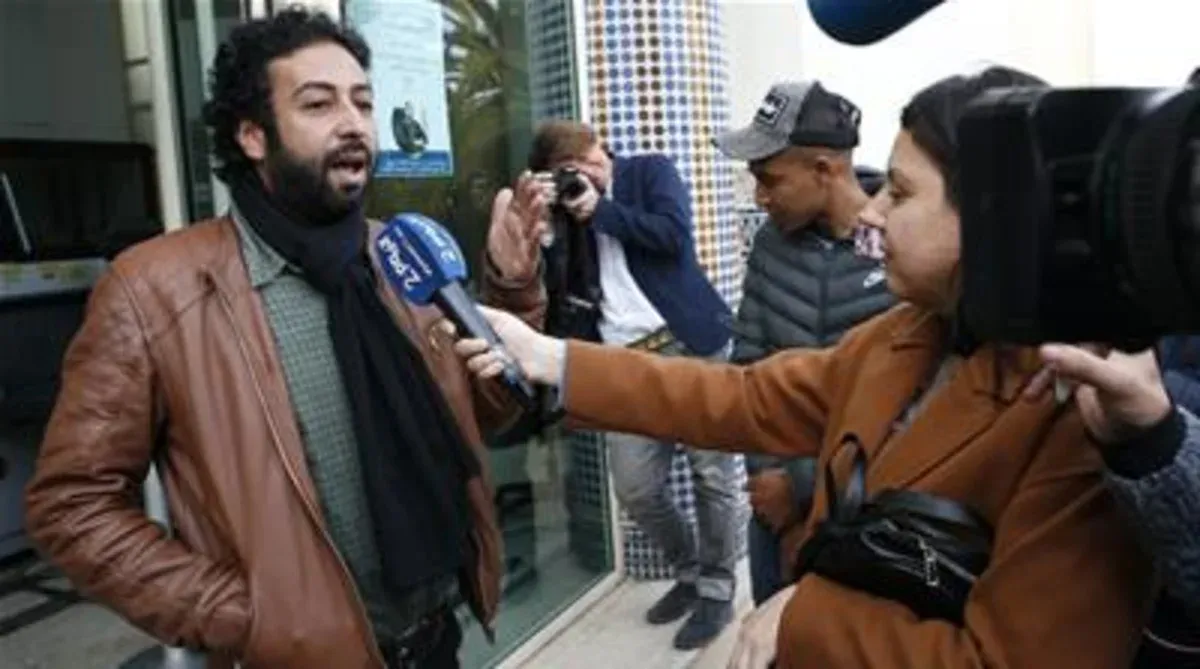
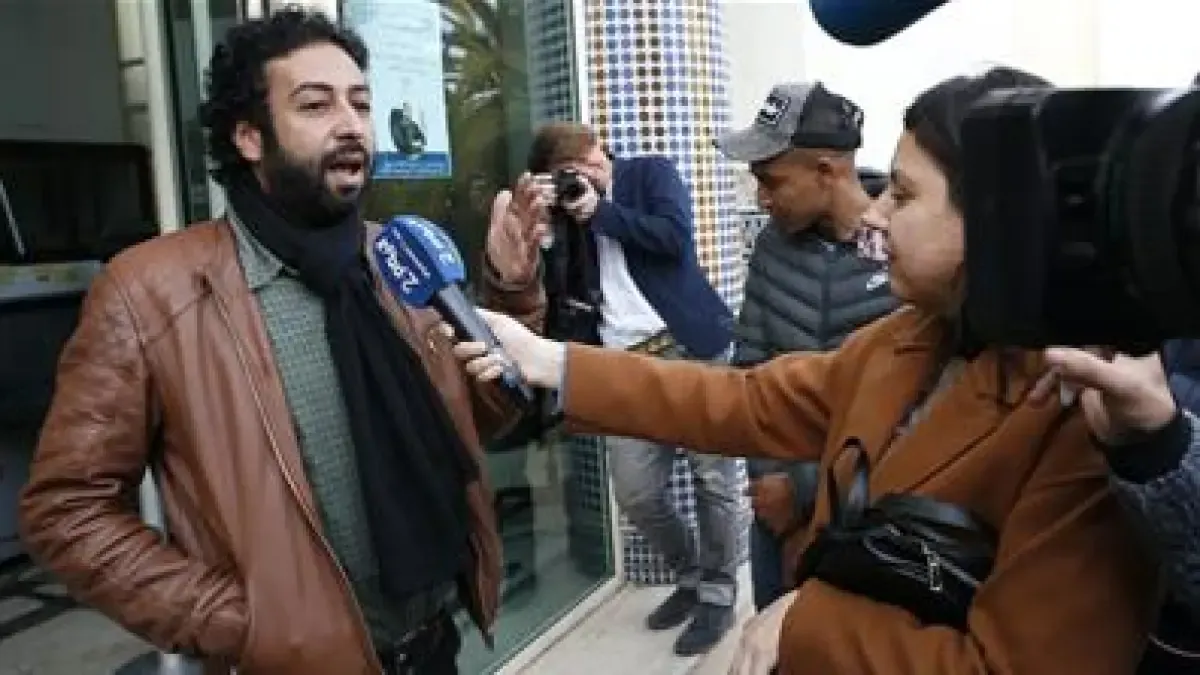
In a significant exposé, Amnesty International has shed light on the alarming surveillance practices allegedly employed by the Moroccan government to intimidate and silence journalists. The testimony of Omar Radi, a journalist and human rights advocate now residing in Germany, exemplifies the depth of this issue. Radi revealed to Al Jazeera that he was targeted by the infamous Pegasus spyware, a mobile surveillance tool developed by the Israeli company NSO Group, not for a specific article but while investigating land dispossession in Morocco. His experience, which came to light in June 2020 following an examination of his phone by the Amnesty International Security Lab, was characterized by signs of intense surveillance, including unusual battery drainage, overheating, and slow network performance. Over the course of two years, from 2018 to 2020, Radi became increasingly aware of the physical surveillance surrounding him, where operatives would shadow him daily to gather reports from those in his vicinity.
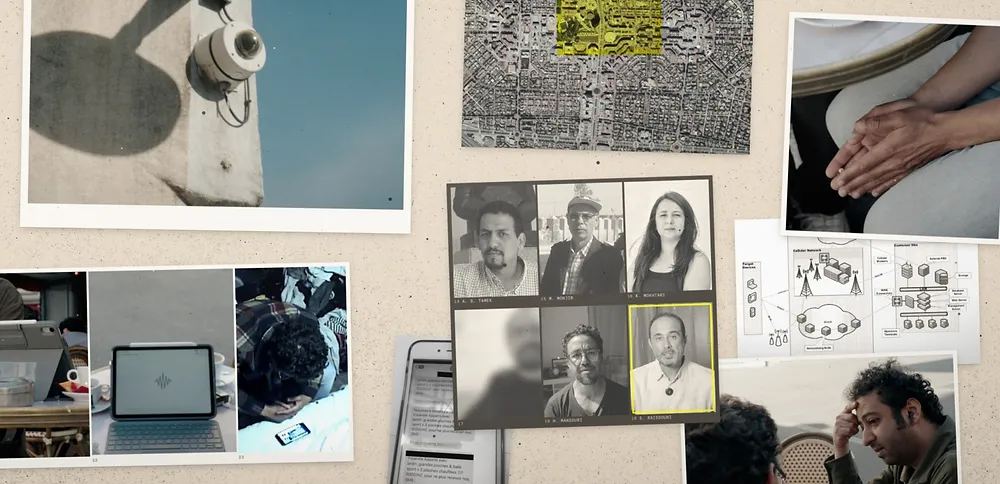
Radi's harrowing account is part of a broader analysis found in the recent Amnesty International report titled "We Start With the Verdict: Inside Morocco’s Surveillance Machine." This report, compiled in collaboration with 14 media organizations and coordinated by the international journalist network Forbidden Stories, highlights the experiences of several other individuals subjected to similar scrutiny. Among them are Fouad Abdelmoumni, a seasoned activist; Abdessadak El Bouchattaoui, a human rights lawyer; and Hicham Mansouri, a journalist who faced imprisonment in 2015 under dubious charges. These cases collectively illustrate a systematic approach to silencing dissent in Morocco.
Deepening Concerns Over Government Surveillance
Amnesty's report draws upon the insights of a whistleblower known as Safir, a former employee of Morocco’s General Directorate for Territorial Surveillance (DGST). The organization has corroborated critical aspects of Safir's testimony using independent sources, technical evidence, and interviews with ten individuals identified as surveillance targets. Radi articulated that the report elucidated many of his lived experiences during the period of intense scrutiny, revealing how his rights were often overlooked in police interrogations and judicial proceedings, influenced by the pervasive surveillance environment.
Despite the gravity of these allegations, Moroccan authorities have categorically denied using Pegasus to target journalists and activists. Previous statements issued in 2020 and 2022 challenged Amnesty to substantiate its claims with concrete evidence. Amnesty International reached out to Moroccan authorities for commentary prior to the report's publication, but they did not receive a response. Furthermore, local media outlets have also contested the findings, arguing that the mere presence of a phone number in Pegasus targeting records does not definitively prove infection or identify the instigator of an alleged attack.
The report indicates that Morocco's operations involving Pegasus were fully operational by October 2017, with evidence showing that targeted individuals, including El Bouchattaoui, were entered into the system well before receiving infection links. Amnesty's analysis connected 103 Moroccan phone numbers to potential targets, comprising a significant number of civil society members, including human rights defenders and journalists. Safir's revelations suggest a sophisticated surveillance apparatus that employed both digital and physical means to monitor targets, including the use of infected devices sold through phone shops and informants enlisted from the neighborhoods of human rights defenders.
Moreover, the report describes how surveillance tactics extended to the use of remote control systems in internet cafes, enabling the DGST to track activities on infected machines. This meticulous orchestration of surveillance tactics reflects a deeply entrenched system designed to suppress dissent and stifle investigative journalism in Morocco. Taoufik Bouachrine, a prominent journalist who has faced similar repression, noted that journalists in Morocco are often silenced through fabricated criminal cases and online smear campaigns. His own arrest and subsequent conviction on charges he vehemently denies exemplify the precarious landscape for journalists in the country.
As reported by aljazeera.com.