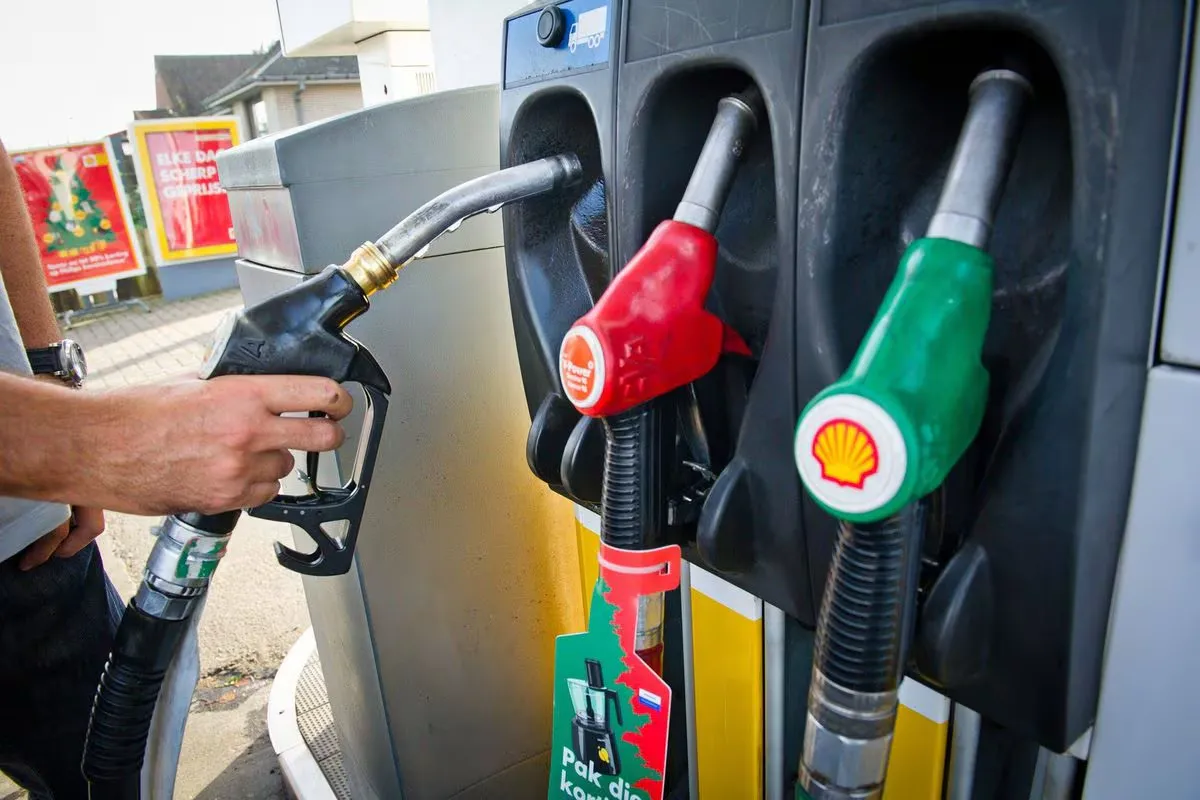

Fuel Price Fluctuations: A Reflection of Global Market Dynamics
In Morocco, the prices at fuel pumps are significantly influenced by international market fluctuations, a situation exacerbated by ongoing geopolitical tensions and persistent volatility in energy markets. An analysis by Aboulhassane Ali, an associate professor of economics, highlights a deeper vulnerability within the national energy model, characterized by external dependence, regulatory limitations, and the pressing need for economic sovereignty. The recent upheavals in the Middle East and a global restructuring of the energy system have introduced a sustained instability that has marked the international fuel market since 2020. This ongoing turmoil has fundamentally reshaped energy balances worldwide, leading to increased volatility in oil price formation.
Ali points out that "the Moroccan fuel market is a prime example of direct transmission of external shocks," indicating a high sensitivity to international price changes. Between 2020 and June 2022, the price of gasoline surged from 8.60 dirhams to 17.78 dirhams per liter, reflecting an increase of over 100%. This remarkable shift underscores the almost immediate response of the domestic market to global fluctuations, a trend that has continued into 2026. Currently, diesel is priced at approximately 12.80 dirhams per liter, while gasoline hovers around 13.95 dirhams, with price variations of up to 2 dirhams occurring within days as geopolitical conditions change. The correlation between oil barrel prices and pump prices is particularly strong: a $10 increase in barrel prices typically results in a corresponding increase of about 1 dirham per liter, revealing a lack of significant price stabilization mechanisms.
Structural Vulnerabilities and Market Dynamics in Morocco's Energy Sector
However, Morocco's energy dependence is not merely a short-term issue; it reflects a structural vulnerability. Ali emphasizes that the Kingdom is almost entirely reliant on imported refined products, a situation worsened by the cessation of domestic refining activities, positioning Morocco as a price taker in international markets. This dependence is compounded by logistical constraints: strategic storage capacities are estimated to last around thirty days, which is relatively low by international standards. Such limitations hinder the ability to smooth price variations, further heightening the market's immediate responsiveness to global conditions.
The market's functioning raises ongoing questions regarding price formation mechanisms. While price increases are swiftly passed on to consumers, reductions appear to occur more gradually, leading to debates about the competitive intensity within the sector. The observed profit margins—approximately 1.48 dirhams per liter for diesel and 2.10 dirhams for gasoline—fuel these discussions. Ali notes that the market configuration lacks transparency, highlighting the deficiencies in current regulatory frameworks. The role of the Competition Council in this context appears constrained, reflecting a broader challenge for the state in effectively regulating a liberalized but structurally concentrated market. This scenario represents a balancing act between economic efficiency and consumer protection that remains at the forefront of public discourse.
Additionally, the fiscal dimension introduces further constraints. Tax revenues from fuels reached nearly 6.86 billion dirhams in the first quarter of 2025, with 83% derived from diesel. This fiscal burden creates a structural tension between budgetary consolidation needs and the imperative to protect consumer purchasing power, making the issue of taxation inextricable from that of price regulation.
As reported by fr.le360.ma.