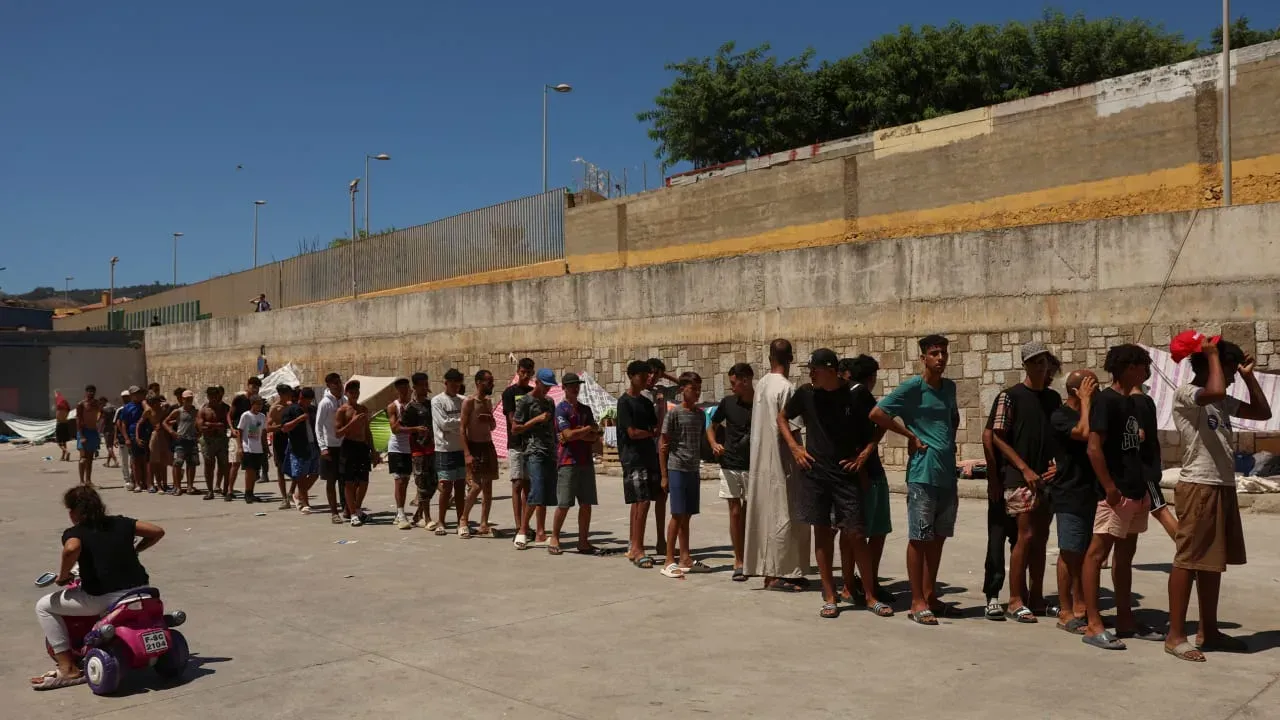

On July 30, 2026, a significant wave of migration unfolded as approximately 50,000 to 60,000 individuals crossed from Morocco into the Spanish exclave of Ceuta. This unprecedented movement of people, predominantly young Moroccans, raised urgent questions about the factors driving such desperate measures. Tragically, many lives were lost during this perilous journey as individuals faced tragic drownings and chaos at the borders. In response to the unfolding crisis, Spanish authorities swiftly deployed additional security forces to regain control, marking this event as one of the largest migration emergencies in the enclave's history.
However, amidst the immediate chaos of the situation, a narrative began to circulate on social media, suggesting that the migration crisis was somehow orchestrated by Israel due to tensions between Spain and Israel. These claims, which lack any credible evidence, distract from the actual issues at hand. Rather than delving into baseless conspiracies, it is crucial to confront the uncomfortable reality behind the mass migration—a reality that has persisted long before the current geopolitical tensions and will undoubtedly continue beyond them.
Debating Sovereignty: Ceuta and Melilla
At the heart of the discussion surrounding Ceuta and Melilla lies a contentious debate about their sovereignty. Many Moroccans view these enclaves as relics of colonialism, while Spaniards assert their right to maintain control over the territories. While these discussions may be pertinent in a broader historical context, they are largely irrelevant to the immediate crisis unfolding on the ground. Today, both Ceuta and Melilla are integral parts of Spain and, by extension, the European Union. For the young individuals embarking on dangerous journeys to reach Europe, the motivations extend beyond territorial disputes; they are driven primarily by the pursuit of opportunities and a better life.
Africa is the youngest continent on the planet, with a median age of around 19 years, contrasted sharply with over 40 in Europe. This demographic reality has long been heralded as one of Africa’s potential advantages, especially as other regions grapple with aging populations. Economists predict that Africa could provide the labor force and innovation necessary for sustained economic growth in the coming generations. However, the scenes of desperation witnessed in Ceuta tell a starkly different story. Young Africans, plagued by uncertainty and limited prospects at home, are increasingly opting for perilous crossings rather than remaining in their countries. The choices made by thousands of young individuals reflect a deeper malaise, one that should concern every African government far more than any unfounded conspiracy theory circulating online.
Confronting the Reality of Migration
Many of those who embarked on this treacherous journey were unsure of what awaited them in Europe—whether they would find work, where they would live, or if they would even be allowed to stay. Yet, the allure of Europe persists in the minds of millions of young Africans. It symbolizes stability, functioning institutions, and the belief that hard work can lead to a better life. Whether this perception aligns with reality is nearly irrelevant; what matters is that it remains a more compelling narrative than the promises offered by their own nations.
This current migration crisis is not an isolated incident; it is part of a pattern that has been observed over the years. In 2021, around 8,000 individuals crossed into Ceuta amid diplomatic tensions between Morocco and Spain, and the tragedy in Melilla in 2022 further highlighted the ongoing challenges. The most recent surge in migration, larger than previous instances, was triggered by a mix of online rumors and existing desires for better opportunities. Underlying these events is a consistent reality: many young Africans face unemployment, limited social mobility, and economic uncertainty, often exacerbated by the fragile diplomatic relationship between Morocco and Spain, particularly regarding the contentious issues surrounding the Sahara and the enclaves.
Ultimately, the crisis serves as a stark reminder of the complex interplay between migration, opportunity, and the future of Africa's youth. Instead of engaging in speculation about hidden agendas behind these migration patterns, it is imperative for African nations to address the root causes driving their young people to seek a future elsewhere. The uncomfortable truth remains that a significant segment of Africa's youth has lost faith in the prospects available within their own borders. If Africa is to leverage its youthful demographic as an asset, the focus must shift towards creating conditions that encourage young people to invest in their home countries, fostering an environment where they can envision a dignified and meaningful life.
As reported by jpost.com.