
The well-known phrase articulated by editor Rudolf Augstein in 1961 as a guiding principle for the magazine 'Der Spiegel' has gained unprecedented popularity in today's media landscape: journalists should "say what is." However, this maxim is often oversimplified, distorting Augstein's original intent. Generally, it is interpreted as a call for adherence to facts, with reporting stripped of personal opinion. This reductionist view serves as ammunition against what has been termed 'opinion journalism,' under the guise of a neutrality that claims to reflect reality by discussing only its most overt manifestations. This approach, however, inadvertently accepts or relies upon the prevailing circumstances and public sentiments to fulfill its ideological role.
Augstein's actual purpose was quite the opposite; he aimed to "bring to light a truth that lies beneath the smooth surface of public opinion" and to articulate this necessary truth in a manner that is resilient against criticism. He recognized that established leaders and opinion-makers often evade this truth out of convenience and self-interest. His objective was far from objectivity—possibly because he understood the problematic nature of the term—but rather to assert that "saying what is" was the only way for journalists to effect change in reality. This misinterpretation of authentic journalism remains surprisingly robust, even in an era inundated with deepfakes and pervasive opinion manipulation. Many media outlets still approach current events with the same routine reporting methods, as if it were unnecessary to scrutinize each statement or critically examine the images they present. The consequences of this approach were glaringly evident in the recent coverage surrounding the events in Ceuta.
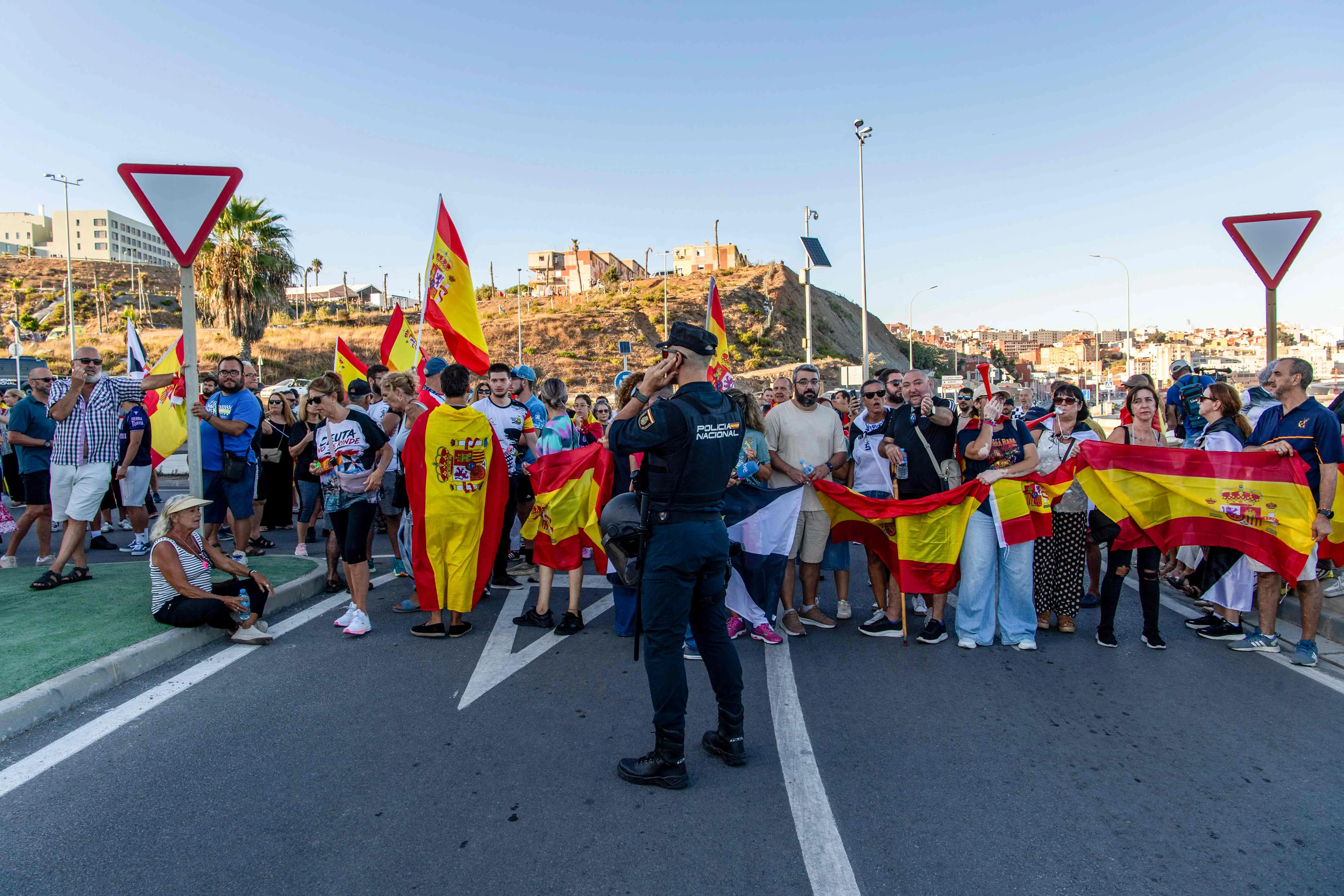
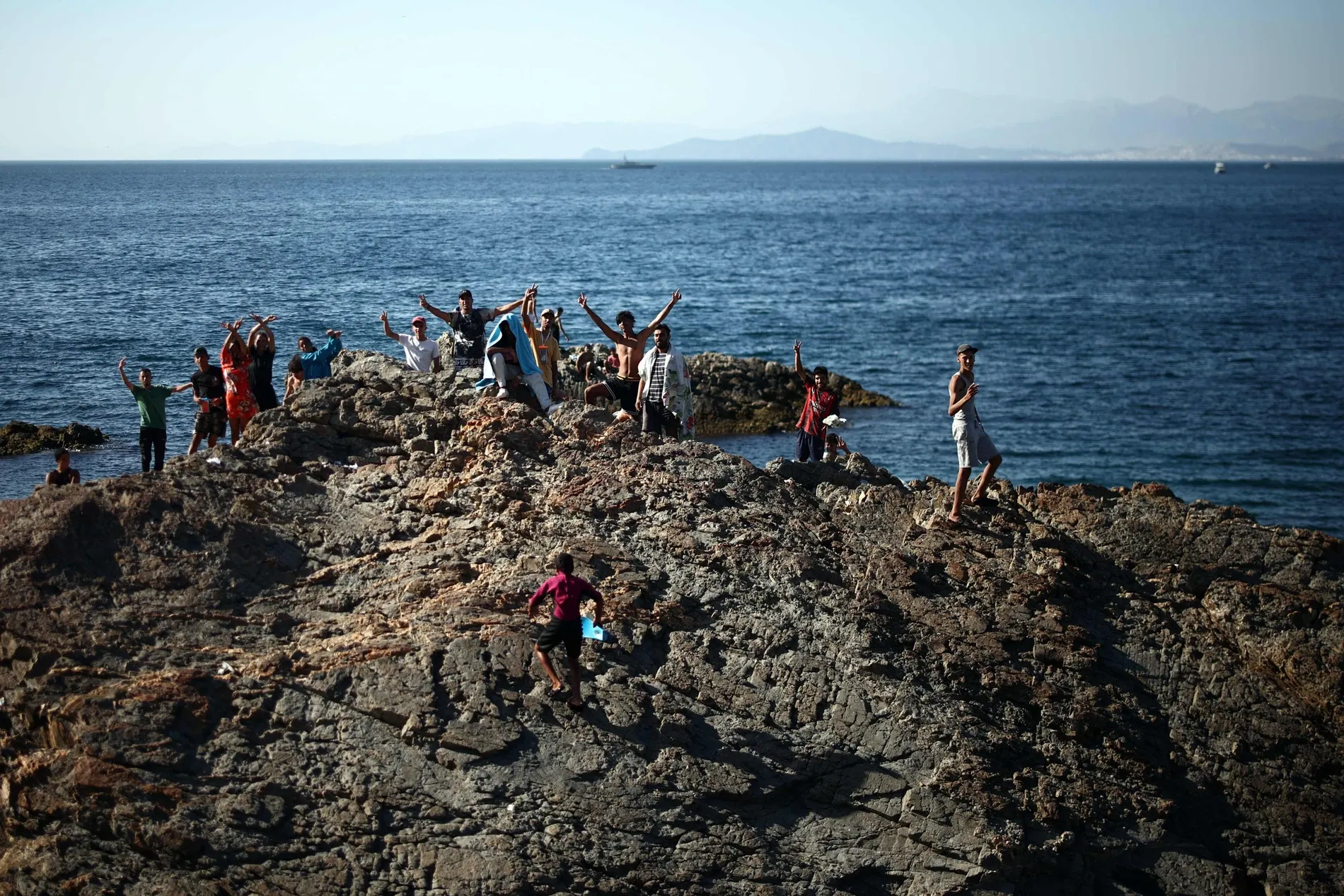
For days, images depicting a "mass rush" toward the Spanish exclave in Morocco have dominated screens, accompanied by a limited set of statistics that offer a narrow view of the unfolding situation. This raises a significant question: does the reporting merely perpetuate an existing narrative, or does it actively contribute to the creation of one? Initially, many media outlets lacked a clear understanding of what was actually occurring in Ceuta. As the circumstances leading to this mass crossing have gradually come to light, the misleading images that have ensnared thousands of gullible and desperate refugees have often been relegated to mere footnotes.
Questioning the Narrative
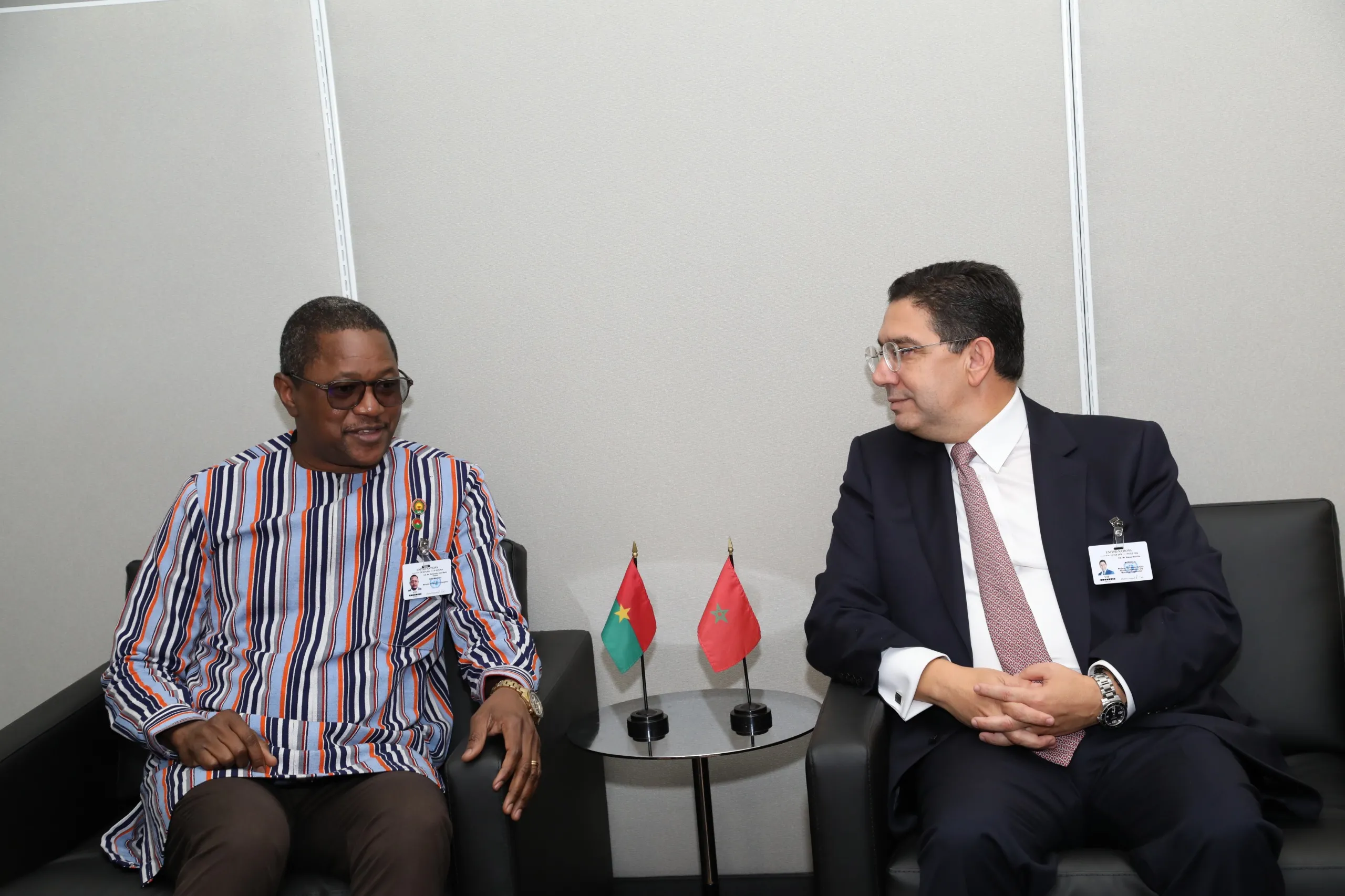
Rather than feigning an understanding of what is happening, it would have been more prudent to ask critical questions from the outset. Why did this sudden influx occur? Why did it happen only a month after a Spanish court ruling that supposedly opened doors to Europe? Why do 22 European Union leaders accuse the Spanish government of causing chaos through measures intended to legalize migration, when legalization is viewed as the most effective means of combating illegal migration? Why were the images disseminated so swiftly by those who politically benefit from the ensuing panic, despite their general disinterest in European affairs? Why did the Moroccan police remain inactive? And why did Morocco name a highway leading to the independence-seeking Western Sahara after Donald Trump? Ignoring the underlying factors and merely echoing what others say also constitutes disinformation.
Instead of fulfilling their journalistic duties, media outlets propagate images without commentary, even when they know these images are loaded with implications. Yet, the principle of neutrality often discourages commentary unless it is clearly marked and relegated to specific sections. Consequently, while grappling with these images, reports are filled with disdain for the "foolish Arab boys" who risk their lives due to a rumor circulating on TikTok.
A rare exception in recent days was the British podcast "The Rest is Politics" hosted by Rory Stewart and Alastair Campbell. They did not fall into the trap of simply stating what is; instead, they titled their episode on the Ceuta crisis with a question that many German journalists have yet to consider: "Who benefits from the migration crisis in Ceuta?"
As reported by faz.net.