The Moroccan Migrant Incident: European Reactions and Implications
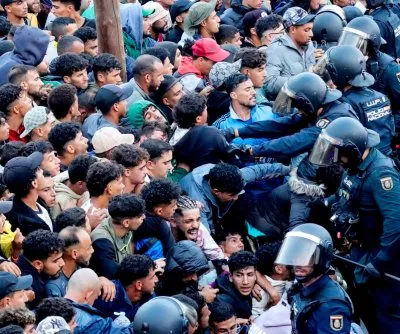
The recent surge of around 50,000 migrants crossing into Spain's North African territory of Ceuta has triggered intense reactions from far-right political factions across Europe, who have labeled this influx an "invasion." This characterization raises critical questions regarding the underlying issues of migration, border control, and political rhetoric in Europe, especially as the reality on the ground differs significantly from the narrative being presented. Interestingly, reports indicate that many of these migrants have already begun returning to Morocco, and the number of illegal boat crossings to the UK has decreased dramatically, reaching a five-year low with a reported 43% drop from 2025. This paradox—of a perceived crisis amidst declining numbers—invites a deeper examination of what truly drives the immigration debate within European politics.
In a recent episode of The Fourcast, Channel 4 News delves into these complexities, featuring insights from notable experts such as Madeleine Sumption, Director of the Migration Observatory, and Keiran Pedley, Director of Politics at Ipsos. Their discussion centers on whether the Ceuta incident could catalyze a resurgence of far-right sentiments across Europe, the potential repercussions for the UK, and whether immigration remains a pivotal issue for voters as political landscapes shift. The interplay of media narratives, political agendas, and public perception plays a crucial role in shaping the discourse around migration, which often oversimplifies the multifaceted nature of human movement and the socio-political contexts that underpin it.
As reported by youtube.com.