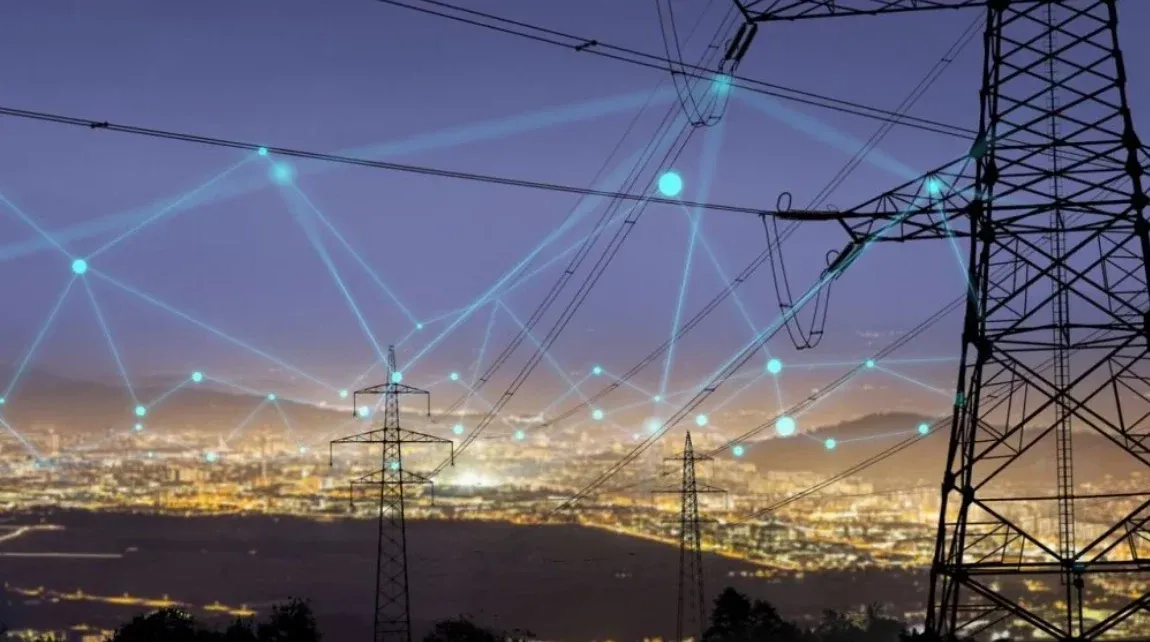

Morocco's Smart Grid Research: A Comprehensive Overview
Morocco has emerged as a hub for advanced research in the realm of smart electrical grids, showcasing a wealth of academic activity focused on this critical area of energy transformation. However, despite the rich intellectual output from institutions such as Mohammed VI Polytechnic University (UM6P), this academic prowess has not yet led to a significant transformation of the nation’s energy system. A systematic review of 291 studies conducted across four international scientific databases found that only 91 studies met the criteria established by the ‘PRISMA’ methodology, resulting in what the authors describe as the most comprehensive synthesis of Morocco's smart grid research to date. This discrepancy raises pertinent questions about the translation of research into actionable strategies that could reshape the energy landscape of Morocco.
Energy Production vs. Consumption: A Growing Challenge
Between 2014 and 2023, Morocco witnessed a remarkable increase in its national electricity production, which surged from 1,022 to 2,388 kilotons of oil equivalent, primarily driven by a significant expansion in wind power production that more than tripled to 1,702 ktoe. Solar energy production also rebounded to 549 ktoe following a dip in 2022. However, this impressive growth in energy production has not kept pace with the rising demand. During the same period, total energy consumption, including imports, escalated from 18,710 to 22,726 ktoe, leading to an energy dependency rate that fluctuated between 85 and 91 percent. This dependency eased slightly to 86 percent in 2023, while the net energy bill soared to 148.9 billion dirhams in 2022 amid the global energy crisis, before declining to 116.8 billion dirhams in 2023. Furthermore, projections based on data from 2014 to 2023 indicate that consumption could reach approximately 25,500 ktoe by 2030, overshadowing domestic production capabilities of merely 3,400 ktoe.
Within the reviewed literature, energy management and optimization were identified as the primary focus of research, accounting for 21.3 percent of the studies. This was closely followed by predictive forecasting and grid-code compliance, each representing 16.9 percent, while renewable integration comprised 15.7 percent of the research focus. Alarmingly, areas such as policy and regulation, smart mobility, and smart-city integration were significantly underrepresented, each accounting for just 1 to 3.4 percent of the literature. This underrepresentation is particularly concerning given Morocco's ongoing advancements in transport electrification. The authors of the study identified five major structural obstacles that hinder progress, including exorbitant infrastructure costs competing with other budget priorities, regulatory gaps beyond the existing renewable energy law, aging distribution infrastructure with uneven automation, increasing cybersecurity and data governance risks associated with the expansion of smart meters, and a general lack of public awareness regarding dynamic pricing tools.
To address these challenges, the researchers propose a comprehensive five-pillar strategy that includes establishing regulatory foundations, modernizing infrastructure, integrating technology, enhancing institutional capacity, and fostering governance and public engagement. This roadmap extends through 2040, with immediate actions planned for pilot smart-meter rollouts in urban centers like Casablanca and Rabat, as well as the development of rural microgrids by 2025-2027. By 2030, the proposal envisions national advanced metering and SCADA deployment along with dynamic pricing mechanisms, culminating in the integration of AI-driven real-time dispatching and vehicle-to-grid systems by 2040. The authors emphasize that mere modernization efforts will be insufficient without accompanying regulatory reforms and enhanced capacity within distribution operators, as Morocco prepares to accommodate an increasing share of intermittent renewable energy sources by 2030—a challenge that several reviewed studies have explicitly noted as a risk to grid stability.
As reported by northafricapost.com.