
Understanding the Ceuta Migration Crisis and Its Political Ramifications
In late July, a significant influx of migrants from Morocco surged into Ceuta, a Spanish enclave on the northern coast of Africa. This unprecedented migration wave, which saw over 60,000 individuals cross the border in a matter of days, has ignited a fervent reaction among far-right political factions across Europe and the United States. Prominent figures such as former President Donald Trump have labeled the situation an "invasion," while other leaders, including Jordan Bardella and Spain's Vox party, have characterized it as an "unprecedented flood" and even an "act of war against Spain." The rhetoric surrounding this crisis has become a powerful tool for radical right movements, effectively fueling their narratives and mobilizing their base.
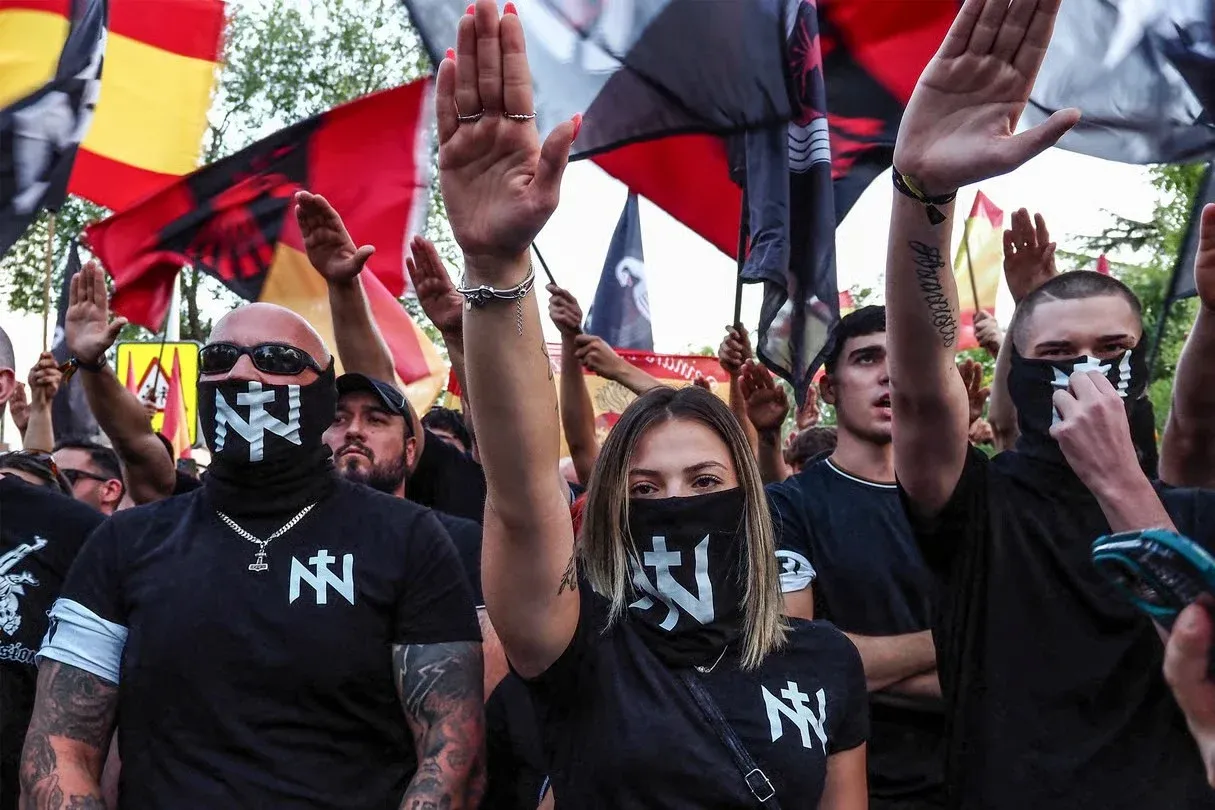
The crisis has presented a perfect storm for far-right groups, who thrive on narratives of border security and national sovereignty. The images of overwhelmed European borders and the deployment of military forces have provided these groups with visual and ideological ammunition to advance their agendas. They exploit the fear and uncertainty generated by such mass migrations to galvanize support, framing the situation as a dire threat to national identity and security.
The Political Landscape Shaped by the Ceuta Crisis
In the wake of the migration surge, it is noteworthy that the focus of criticism has shifted in unexpected directions. While one might expect the anger to be directed towards Morocco, the rhetoric emerging from the U.S. has instead aimed at Spain, accusing it of failing to manage its borders effectively. This shift indicates a broader trend where far-right movements are not only using migration as a wedge issue but are also redefining political narratives to suit their agendas. The implications of this crisis extend beyond immediate humanitarian concerns, posing questions about international relations and the future of migration policies across Europe.
As the situation continues to unfold, it is essential to monitor the responses from both governments and political movements. The Ceuta migration crisis could serve as a pivotal moment, reshaping the political landscape in Europe and potentially leading to more stringent immigration policies, as well as increased support for far-right parties. This unfolding drama illustrates the complexities of migration and its profound impact on political discourse in the West.
As reported by theafricareport.com.