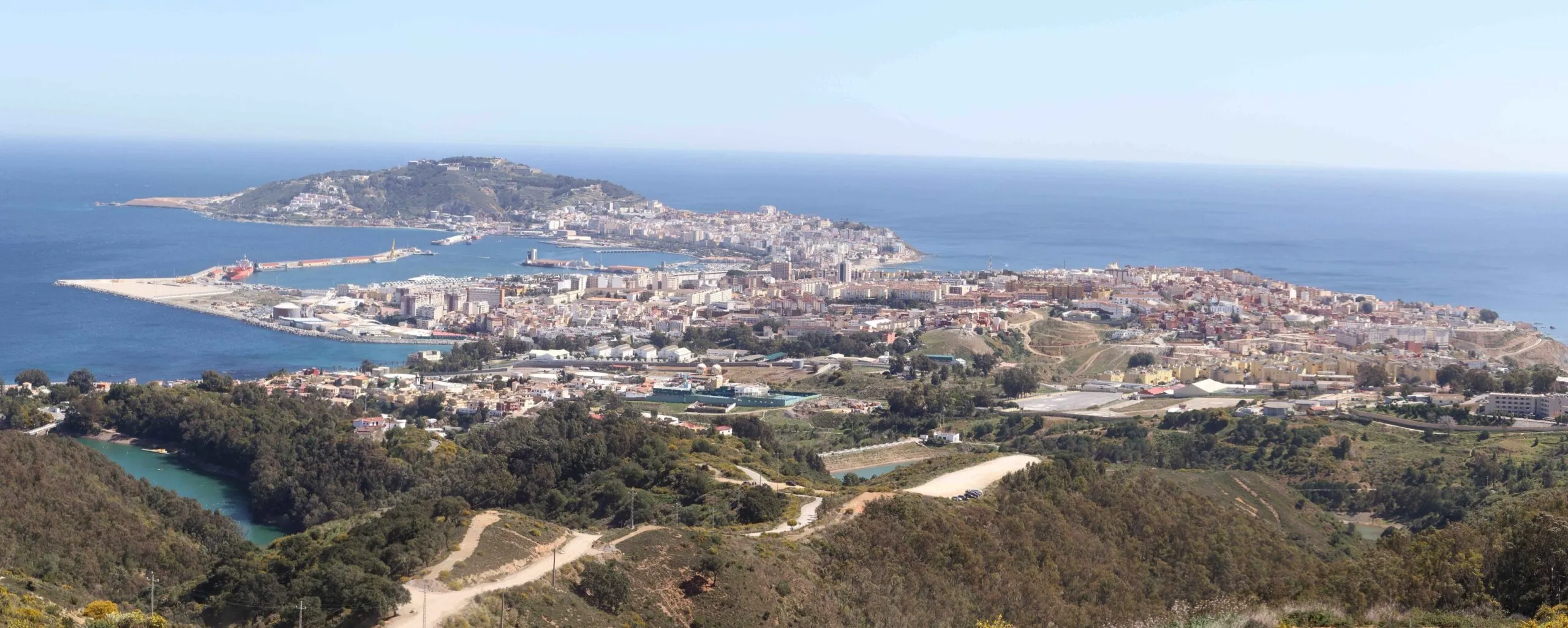

The recent migration of approximately 70,000 Moroccans to the Spanish enclaves of Ceuta and Melilla on July 30, coinciding with Morocco's esteemed 'Throne Day', has triggered extensive discussions in the international media. While analysts have scrutinized the socio-economic and geopolitical factors contributing to this event, there exists a profound yet underexplored dimension related to the term _hijra_, which translates to 'migration' in Arabic. This concept carries significant weight within the Arabo-Islamic cultural context and shapes the collective perception of Moroccans and Muslims alike. The implications of _hijra_ extend far beyond mere physical relocation, connecting deeply with historical and religious narratives that resonate within the Moroccan psyche.
In the Qur'an, the term _hijra_ appears twenty-four times, each instance framed in a positive light, emphasizing its noble connotations. The verb _hājara_, meaning 'to migrate,' is mentioned sixteen times, with a majority signifying voluntary and commendable acts. For instance, one verse states, “And whoever migrates for the cause of Allah will find on the earth many [alternative] locations and abundance” (Qur'an 4:100). This scriptural foundation informs the understanding of _hijra_ in contemporary vernacular and highlights its significance as a revered act in Islamic tradition.
Interestingly, the concept of migration is not only a historical narrative but also a calendar system; Muslim countries utilize the _Hijri_ calendar to mark religious observances, which traces back to the Prophet Muhammad’s migration from Mecca to Medina in 622 AD. This event marks a pivotal moment in Islamic history where the _muhājirūn_, or the emigrants from Mecca, established a new community in Medina. The Prophet’s endorsement of migrations during times of persecution underscores the importance of seeking refuge and the establishment of a just society. The early Muslim community’s migration to Abyssinia, for instance, was motivated by the quest for safety and the freedom to practice their faith, demonstrating that migration has always been intertwined with the pursuit of justice and spiritual fulfillment.
Today, the majority of Moroccans identify as Muslims, with Islam constitutionally recognized as the state religion. This cultural and religious backdrop infuses the act of _hijra_ with positive resonance. While contemporary migrants may not consciously invoke these historical narratives, the cultural significance of _hijra_ remains deeply embedded in the collective memory of Moroccans. Currently, the Moroccan diaspora is noteworthy, with approximately one million Moroccans residing in Spain, alongside substantial communities in Italy, France, Belgium, and even the Middle East. This demographic reality naturalizes the concept of _hijra_, as it underscores prior successes of Moroccan migrants and reinforces a shared identity forged through historical migrations.
The simultaneous influx of 70,000 Moroccans into Ceuta during a national celebration cannot be solely understood through the lens of economic distress or strategic necessity, as suggested by various commentators. Observations reveal that many participants appeared well-prepared and even celebratory; some had attended lavish wedding ceremonies before embarking on this journey, while others expressed loyalty to their king despite choosing to leave on such a significant day. Conversations with these individuals further reveal that many had invested substantial resources to reach the border, indicating that their motivations transcend mere economic survival. Although challenges such as unemployment, low wages, and restricted freedoms undoubtedly play a role in the migration narrative, it is crucial to acknowledge the profound psychological and cultural resonance of _hijra_ in shaping their decisions.
Ultimately, while economic and geopolitical factors provide a framework for understanding this mass migration, a comprehensive analysis must also consider the cultural narratives that inform the experiences of migrants. The deep-seated meanings associated with _hijra_, as rooted in historical and religious contexts, continue to inspire and motivate Moroccans as they navigate their migration journeys.
As reported by africanarguments.org.