
Understanding the Recent Terrorist Threat in Morocco
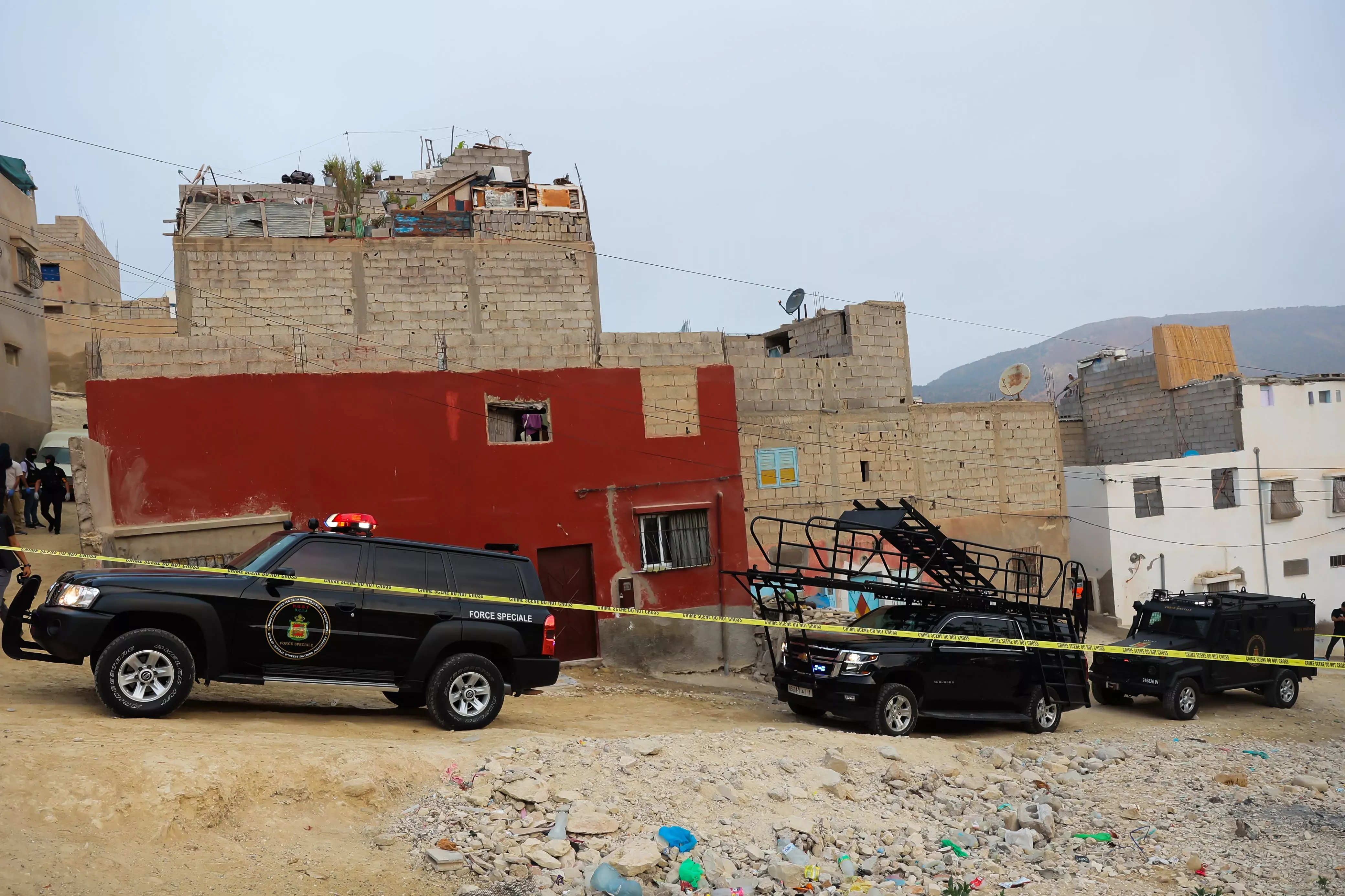
On July 6, 2026, Moroccan authorities conducted a significant anti-terrorism operation that resulted in the arrest of ten individuals across seven cities, including Agadir, Taroudant, Casablanca, El Hajeb, Tétouan, Fquih Ben Salah, and Safi. This preemptive strike was aimed at dismantling a terrorist cell that was reportedly on the verge of executing a violent attack. The operation, led by Morocco's General Directorate for Territorial Surveillance (DGST), uncovered a range of dangerous materials, including gas canisters rigged with explosives, chemical substances for creating dirty bombs, and a modified all-terrain vehicle intended for use as a battering ram or in a suicide attack. The authorities described this vehicle as being capable of causing significant casualties, underscoring the gravity of the threat posed.
Connections to Global Terrorism
According to official statements from the DGST, the arrested individuals had pledged allegiance to the Islamic State's affiliate in the Sahel and documented their commitment through a video. Interestingly, their handlers advised them against joining forces in the Sahel but instead directed them to carry out jihadist activities within Morocco, targeting what they deemed sensitive locations. This strategic shift highlights the evolving nature of terrorist threats, as local operatives increasingly adopt international extremist ideologies while aiming to conduct attacks in their home countries. The Moroccan government has long been praised for its proactive approach to counter-terrorism, and this incident reaffirms its commitment to safeguarding national security against such threats.
As reported by mobile.telquel.ma.