
Mounting Concerns Over Morocco's Drug Trafficking Networks
The ongoing dismantling of international drug trafficking networks in Europe continues to shed light on the intricate connections between these illicit operations and Morocco. This situation raises significant concerns, as accusations against the Moroccan government intensify, alleging that the country has become a critical hub for money laundering and drug trafficking to Europe. The influence of drug lords and the expansion of their activities within Moroccan territory have become increasingly pronounced.
A recent ruling by a criminal court in Rennes, France, against a notorious figure known as Issam Lahrach, also referred to as "La Plume" (The Feather), has further highlighted the deep entanglement between organized crime networks and the economic and real estate sectors in Morocco. Lahrach was sentenced to ten years in prison and fined €750,000 in criminal penalties, with an equivalent amount imposed as a customs fine. Additionally, his real estate assets in Morocco, valued at over €1 million, were confiscated, and a new arrest warrant was issued against him.
French media reports reveal that Lahrach, regarded as one of France's leading cocaine barons, managed to establish himself in Morocco for years, running a portion of his financial and commercial activities free from legal scrutiny. This was facilitated by a context often described as lenient toward money laundering and illicit drug trade networks.
This ruling was not merely a routine criminal conviction; it unveiled a vast network involved in the smuggling of cocaine in significant quantities. The court held Lahrach responsible for large-scale drug import operations into France, most notably a shipment exceeding 360 kilograms of cocaine seized at the port of Montivilliers in Brittany in 2022, along with 23 kilograms confiscated at Orly Airport in September 2023, and another substantial shipment estimated to be in the hundreds of kilograms during the same year.
Morocco's Emerging Role in European Drug Trafficking
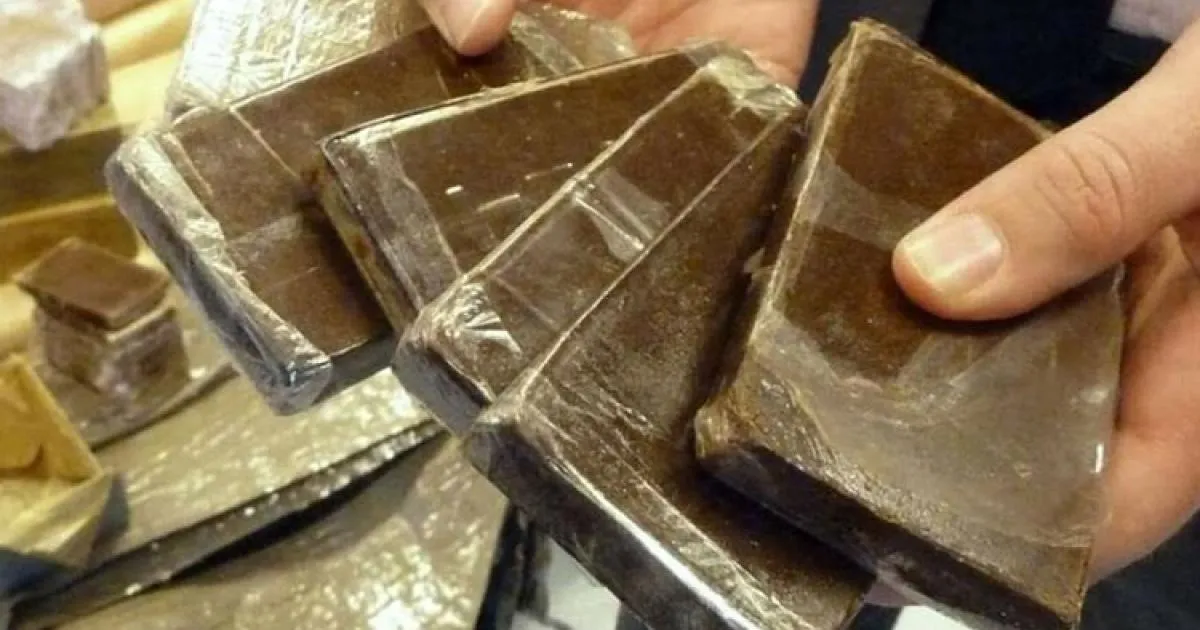
The implications of this case reinforce the growing European concerns regarding Morocco's evolving status as a key transit point for drug trafficking into the continent. This is evident not only in the massive quantities of cannabis flowing from northern Morocco but also in the cocaine networks that have reportedly established a foothold within Moroccan ports and logistical infrastructures, according to consistent security and media reports.
These developments raise pressing questions about the relationship between certain influential circles in Morocco and international drug trafficking networks, particularly as Morocco is repeatedly used as a safe haven and a center for re-injecting illicit funds. This comes at a time when European pressures to tighten control over routes originating from the kingdom are mounting.
As European investigations expand to include transnational networks operating between Morocco, France, Spain, and Belgium, there is a growing consensus among observers that Morocco has evolved beyond a mere traditional transit point. Instead, it has transformed, due to state policies, fragile oversight mechanisms, and complicity, into a central node in the system inundating Europe with drugs and engaging in international narcotics trafficking.
According to analysts, the case of Issam Lahrach reflects the alarming transformation in crime networks linked to Morocco, shifting from traditional cannabis trafficking to intensive involvement in the international cocaine market. This shift carries severe security implications for Europe and the Maghreb region, amidst rising criticisms directed at government policies and complicity in the expansion of the drug economy and organized crime.
As reported by entv.dz.