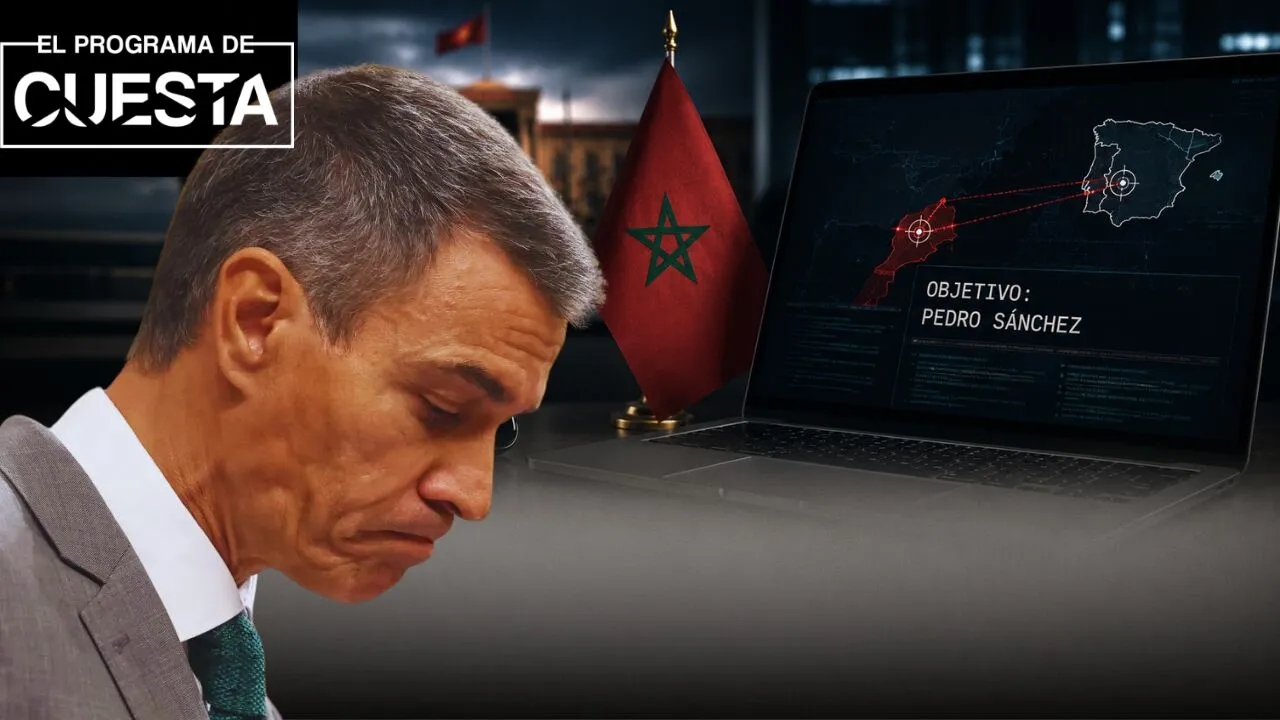

The recent analysis presented in the discussion segment of El Programa de Cuesta delves deeply into the appearance of Spanish Prime Minister Pedro Sánchez before the Congress of Deputies. During this session, Sánchez categorically denied the existence of any evidence directly implicating Morocco in orchestrating the invasion of Ceuta that occurred in May and July of 2021. The panelists, Raúl Vilas, Carmelo Jordá, and Arturo Criado, meticulously dismantle the official narrative, branding it as submissive and replete with deliberate falsehoods.
A pivotal point in the discussion centers on the report from the CNIF (National Center for Immigration and Borders), prepared by the National Police. This 55-page document, which is just one of eight police reports drafted regarding the events, unequivocally demonstrates that there was a clear anticipation of a massive influx and that the risk was imminent. Sánchez's claim that the government lacked this information is rendered implausible in light of the overwhelming documentary evidence that has been compiled.
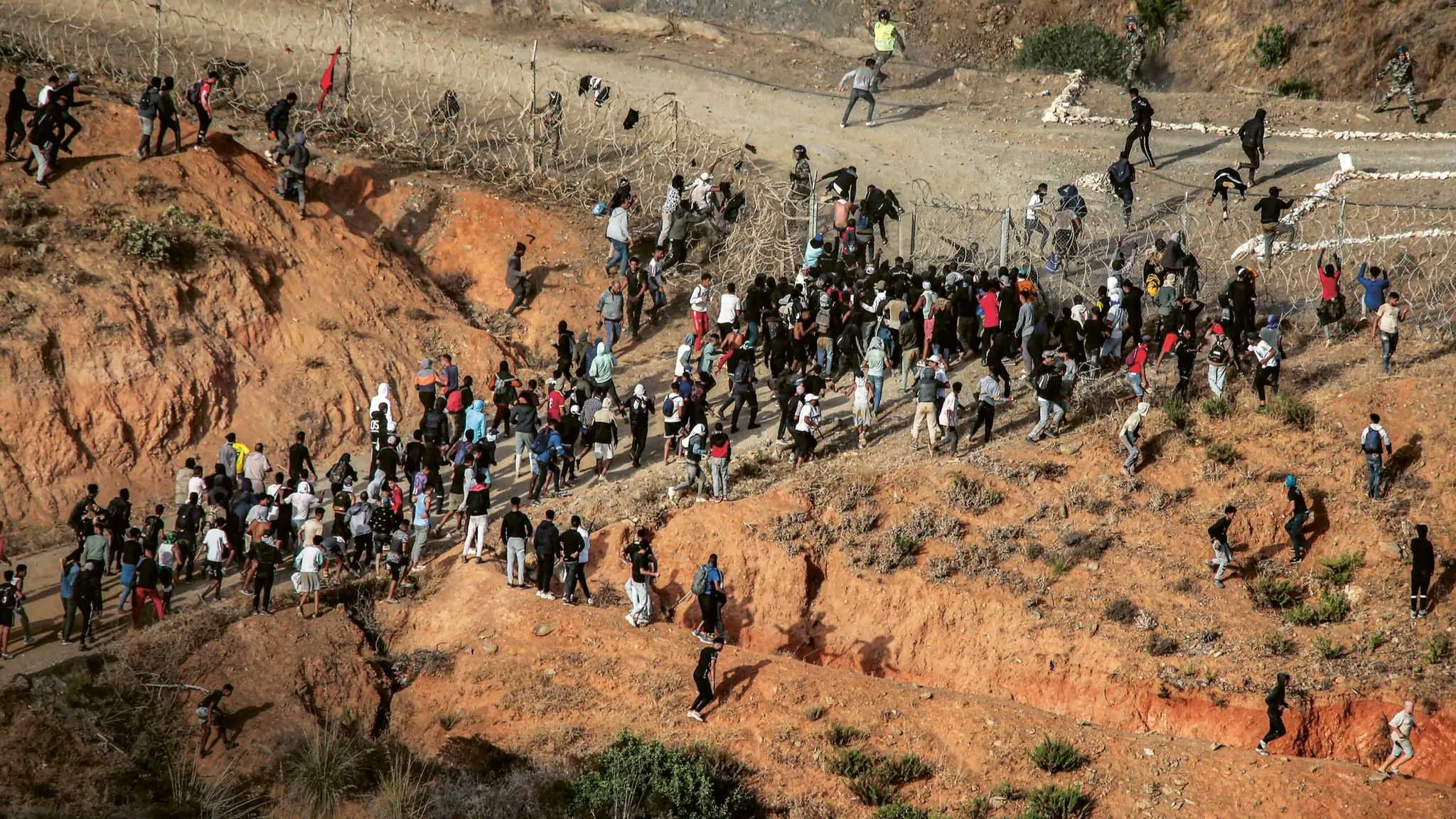
The analysis continues by detailing images captured during the border crisis, showcasing members of the Moroccan gendarmerie actively directing and encouraging the crowd to cross into Spanish territory. Moreover, it is confirmed that the vast majority of immigrants did not enter by swimming but through a border that was wide open, facilitated by the Moroccan security forces themselves. The presence of Moroccan agents equipped with riot control gear orchestrating the migratory flow invalidates any theories suggesting a spontaneous action.
Sánchez's Accusations Against the Police
Faced with the evidence presented in the report, Sánchez's defense pivoted to blame a supposed breakdown in the police command chain, accusing the CNIF of failing to share the informative note with the Ministry of the Interior. The panelists highlight the glaring contradiction in this argument: if such a severe failure in national security had indeed occurred, Interior Minister Fernando Grande-Marlaska should have been dismissed immediately. However, no disciplinary measures were taken, indicating that this was merely a fabricated excuse.
Furthermore, it is clarified that the police were legally prohibited from forwarding this report to the government, as it was part of a judicial investigation ordered by a judge. Being a procedure under judicial secrecy within the judicial power, the police officers were obligated to submit the documentation solely to the competent judicial authority, a fundamental principle of the separation of powers that the executive pretends to ignore to justify its inaction.
As reported by libertaddigital.com.