
Decades of Research Lead to the Discovery of the Dom van Keulen
A remarkable archaeological breakthrough has emerged from England’s southern coastline, where a shipwreck identified as the Dom van Keulen has been the subject of nearly thirty years of extensive research. This Dutch merchant vessel, which tragically sank in 1633, was laden with a significant cargo of thousands of Moroccan gold coins. Its discovery not only highlights the vessel's historical importance but also sheds light on the intricate trading networks of the 17th century.
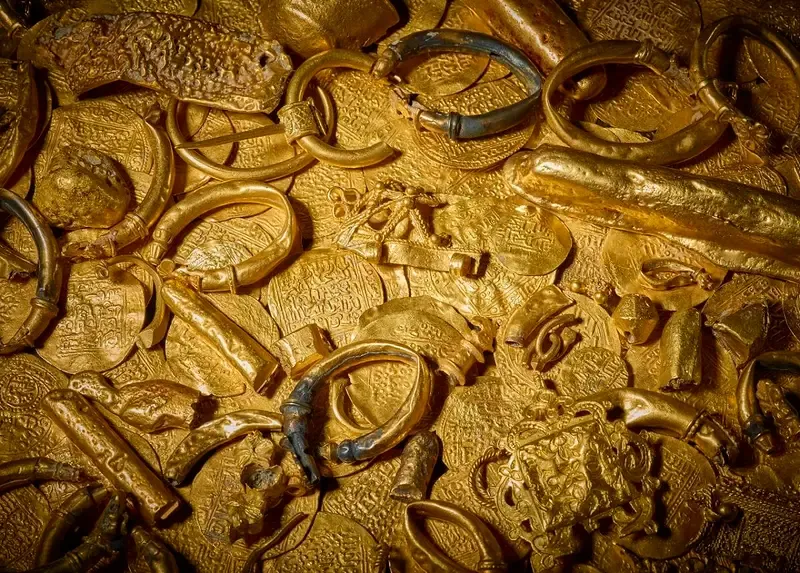
Located near Salcombe in Devon, the wreck was initially uncovered by divers in 1995, who retrieved over 400 gold coins from the seabed. Since that time, historians and archaeologists have dedicated themselves to unraveling the mystery surrounding the ship's identity and its final voyage. Recent findings have culminated in the publication of a comprehensive book entitled From Morocco to the Coast of England: The Story of the Dom van Keulen and its Remarkable Cargo, which connects the ship to its journey from Morocco to the Netherlands during the autumn of 1633.
Historical Significance and Cargo Insights
Historian Ian Friel meticulously examined records preserved in the National Archives, revealing that the Dom van Keulen encountered perilous storms during its voyage, eventually leading to its sinking near the English coast. Remarkably, all crew members survived this harrowing ordeal. The recovered cargo, which included an array of goods such as 150 bags of gum arabic, 64 bags of saltpeter, 320 goat skins, and approximately 9,000 Barbary ducats, offers a rare glimpse into the vibrant trade that existed between North Africa and Northern Europe during this period.
Interestingly, it is believed that much of the cargo was salvaged shortly after the ship sank, leaving behind the hundreds of gold coins that lay submerged for over three centuries. These coins, part of Morocco's extensive Atlantic trade network, played a crucial role in the Dutch economy during the 16th and 17th centuries, facilitating the exchange of manufactured goods for gold and other valuable products from North Africa.
The artifacts recovered from the wreck, now housed in the British Museum, include not just the gold coins, but also jewelry, pottery, a pewter bowl and spoon, a stamp seal, and a uniquely shaped fish sounding weight, among other items. The wreck site itself, spanning approximately 30 meters across the seabed at a depth of around 18 meters, remains a treasure trove of historical significance, containing cannons, anchors, and scattered cargo from the ill-fated vessel.
As this narrative unfolds, the Dom van Keulen is placed within the broader context of the Sa’dian Sharif dynasty's rule in Morocco, illustrating the deep trade connections that existed among Morocco, the Dutch Republic, and England during a time of burgeoning maritime commerce. The wreck is currently protected under British law and is carefully managed by Historic England, ensuring that only licensed divers can access the site, while local authorities and maritime organizations monitor the area to safeguard against damage and illegal artifact recovery.
What began as a discovery of a few gold coins has evolved into a captivating story of a lost trading ship, its perilous journey, and the expansive trading network linking West Africa to northern Europe. The identification of the Dom van Keulen brings closure to a long-standing archaeological mystery, enriching our understanding of maritime history and trade during the 17th century.
As reported by archaeologymag.com.