
Exploring the Wealth of King Mohammed VI
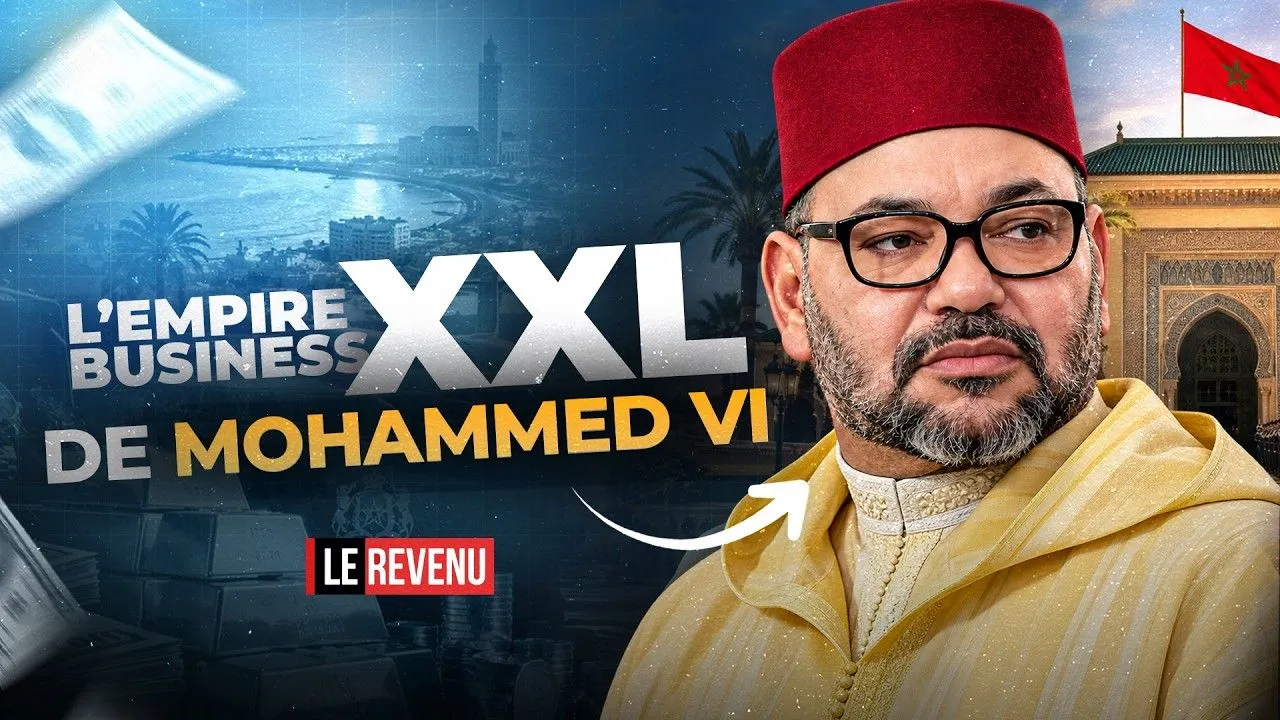
Since ascending to the throne in July 1999, following his father Hassan II, King Mohammed VI has been recognized as a reforming monarch, often referred to as the "King of the Poor". His reign has seen substantial transformations within Morocco, impacting not just the political landscape but also establishing him as a dominant figure in the economic sphere of this North African nation. Today, he presides over an impressive financial empire, estimated to be worth between $2 billion and $9 billion, as he navigates the complexities of leading a nation of approximately 37 million people.
The Mechanisms Behind His Wealth
Central to King Mohammed VI's financial success are two major entities: Siger and Almada. Siger serves as the royal holding company, managing the king's private assets, with Mounir Majidi, the monarch's personal secretary for over two decades, at its helm. Under Siger's umbrella lies Almada, formerly known as SNI, which has a vast portfolio spanning banking, retail, renewable energy, telecommunications, and mining. Almada's holdings are valued at around $29 billion, positioning it as a significant player in Morocco's economy.
The royal family's influence extends beyond Moroccan borders, with Almada's operations reaching into 24 African nations by 2018. This ambitious expansion aligns with Morocco's pan-African aspirations, facilitating strategic investments and impactful banking agreements across the continent. However, the management of such substantial wealth raises questions about transparency and equity within the kingdom.
Despite the royal family's considerable economic power, there are concerns regarding the opacity of their financial operations. The withdrawal of Almada from the Casablanca Stock Exchange in 2010 significantly diminished public transparency, making it challenging to assess the true scale of the royal wealth. Forbes estimates that the king's personal fortune increased from around $500 million at the start of his reign to an impressive $5.7 billion by 2015, with more recent estimates suggesting it may exceed $10 billion.
The monarchy's wealth is further sustained by a substantial annual public budget allocated by Parliament, which for 2023 amounted to approximately 543.4 million dirhams (around 50 million euros), covering the royal civil list and sovereign allocations. Moreover, the royal court and its numerous palaces operate on a separate budget exceeding 2.2 billion dirhams (approximately 200 million euros). In a nation where nearly 7% of the population lives in poverty and about 13% faces vulnerability, the stark economic divide fuels social discontent. Movements such as "GenZ 212", which emerged in the fall of 2025, spotlight the urgent need for discussions surrounding wealth distribution, particularly as questions about the king's health and the succession to his son, Crown Prince Moulay El Hassan, arise, putting the sustainability of this unique economic model into question.
As reported by lerevenu.com.