
Moroccan Historian Challenges Historical Narratives
The Moroccan historian Abdellah Boussouf has taken a bold stance in dismantling the historical narratives that attempt to obscure Morocco's pivotal role in the development of Andalusian civilization. During his appearance on the 'Hespress Debate' program, Boussouf raised awareness about the systematic theft of Moroccan memory by various entities and called for a genuine revolution in educational curricula, theatrical productions, and artificial intelligence to safeguard this heritage. His insights offer a fresh perspective on the historical ties between Morocco and Andalusia, emphasizing the need for recognition and preservation.
Boussouf's argument begins with a fundamental question: "Who created the civilization of whom?" He asserts that Morocco predates Al-Andalus, positioning it as the creator of this rich cultural landscape. In a reinterpretation of history, he articulated that Al-Andalus is not merely a fleeting influence but rather a human and cultural extension of Morocco. This perspective challenges long-held beliefs about the historical relationship between the two regions.
The Cultural Revolution: Beyond Invasion and Conquest
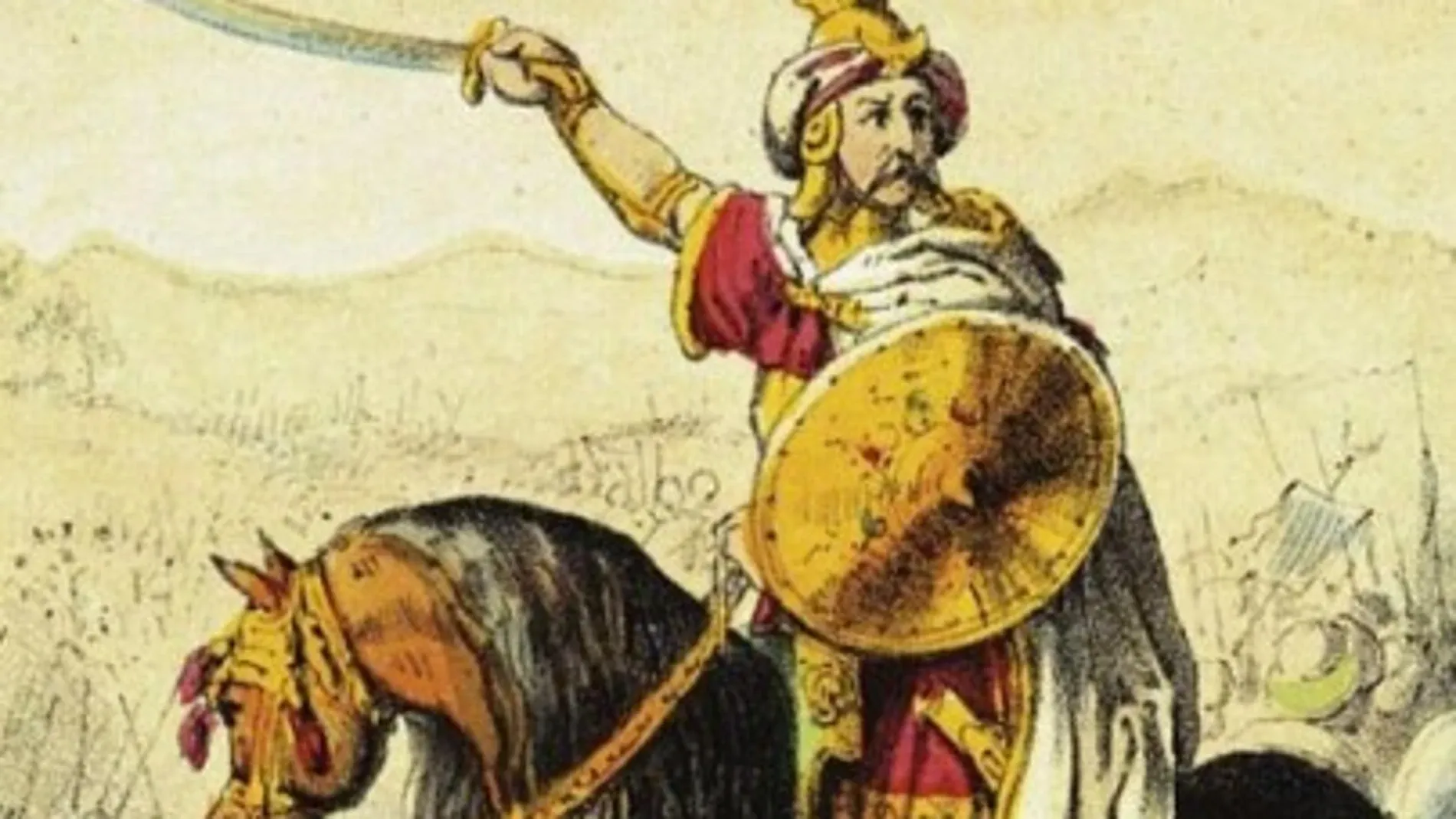
According to Boussouf, the arrival of Moroccan Berbers in Spain occurred well before the advent of Islam, characterized by fluid relationships. He highlighted that Berber kings, such as Aksel, ruled over southern regions of Spain, pointing to recent archaeological findings that have uncovered Berber coins in Spain that predate Islam. These findings lend credence to his assertion that "the Arabs did not invade Spain"—a claim grounded in the idea that the armies that entered were primarily Berber forces from Morocco.
Rejecting the terms "invasion" and "conquest," Boussouf considers the events as a "cultural revolution" that spread peacefully from Morocco to Andalusia. He attributes this peaceful transition to the convergence of beliefs, noting that the Moroccans were "Aryans," monotheists, and adversaries of Rome, making their conversion to Islam—a faith rooted in monotheism—a natural progression. Furthermore, he addressed the multifaceted process of historical theft concerning the histories of Andalusia and Morocco, criticizing Spanish Orientalism for perpetuating the idea of "Andalusian influence in Morocco" to justify colonial ambitions in northern Morocco, claiming a "historical right" to the region.
Boussouf's assertions extend to the rich history of cities, arguing that Andalusian cities are reflections of their Moroccan counterparts. He advocated for the global promotion of Fez as "the first and largest pedestrian city in the world," given its labyrinth of 9,000 alleyways. In discussing culinary heritage, he claimed that what is referred to as "Andalusian cuisine" is, in fact, Moroccan Almohad cuisine, highlighting that it was the Muslims who introduced advanced agriculture to Europe.
In light of the potential risks of feeding AI databases with false narratives—whether from Algeria or the Middle East—Boussouf recommended "inoculating" these algorithms with accurate and documented historical knowledge from Morocco. With the World Cup approaching, he urged investment in intangible heritage and proposed the launch of tourist routes that embody the true essence of Morocco, using slogans like "The Kingdom of Love" and "The Kingdom of Tolerance" to reflect the country’s rich cultural tapestry.
As reported by larazon.es.