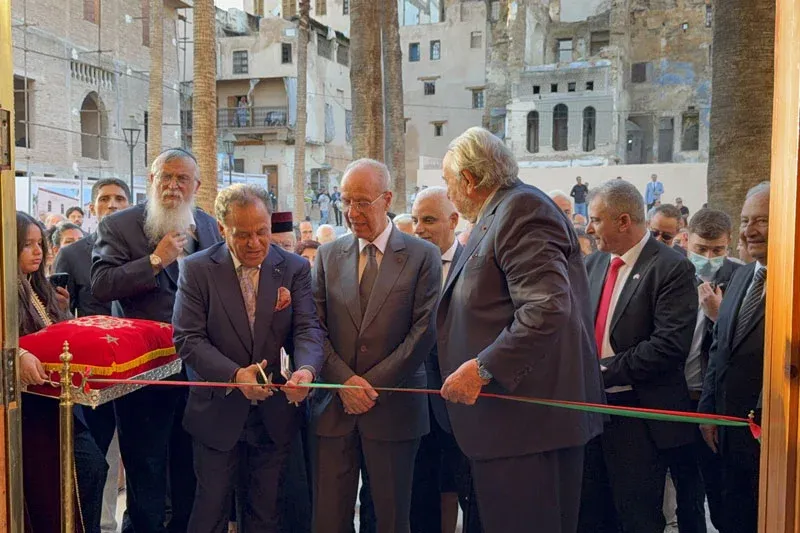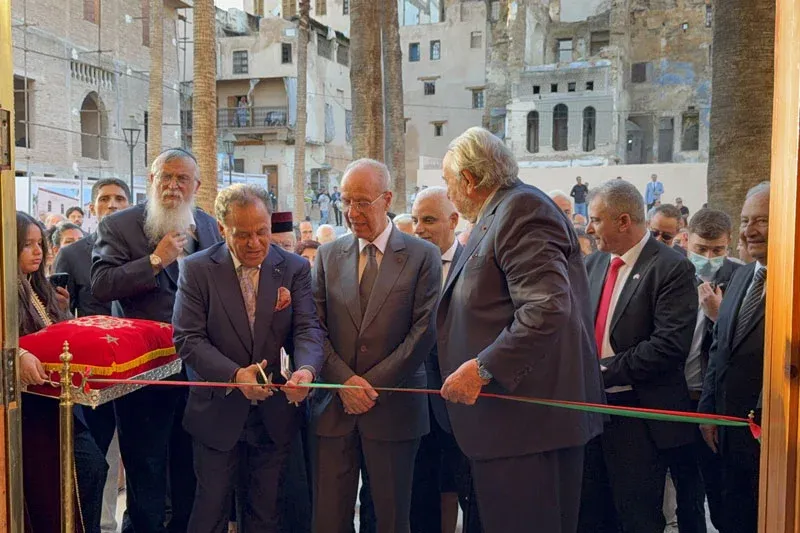

In the heart of the historic city of Fes, two museums stand side by side, each narrating the vibrant story of Moroccan life. The "Museum of Islamic Arts" and the recently inaugurated "Museum of Moroccan Jewish Culture in Fes" were officially opened on the evening of October 11, following months after the opening of the former. The Secretary General of the Moroccan Jewish Communities, Serge Berdugo, referred to them as "twin museums," highlighting their complementary roles in showcasing the rich cultural tapestry of Morocco.
The first museum dedicated solely to Moroccan Jewish culture made its debut in 1997, marking a significant moment in Morocco's museum landscape as it became the first of its kind in a predominantly Muslim country. This pioneering establishment continues to welcome visitors in Casablanca, providing insights into the Jewish heritage that has coexisted with Islamic culture for centuries.
Official Opening Ceremony
The inauguration ceremony of the new museum attracted notable figures from the Moroccan Jewish community, including the Secretary General of its Council, as well as the Governor of the Fes-Meknes region. Officials from the National Museums Foundation, which oversees museum management in the country, were present, alongside the Minister of Awqaf and Islamic Affairs, who noted that the King had tasked him with attending this significant event.
Minister Ahmed Toufiq emphasized that the city of Fes is a "museum in itself," explaining that the newly opened museum symbolizes Morocco's commitment to shared values, especially in uncertain times. He underscored that the Museum of Moroccan Jewish Culture preserves a history that safeguards minority rights, focusing on the unique Jewish culture of Fes. He cited the example of Jewish communities from the region of Icha, in the High Atlas, who spoke only Berber.
Toufiq also recalled the historical efforts of the Alaouite sultans to protect the "People of the Covenant," explaining that this term refers to those under Islamic protection, safeguarding them from injustice. He provided historical examples from Moroccan sultans who recognized the importance of protecting the rights and properties of these communities.
Serge Berdugo reiterated that this museum serves not only as a memory for the Jewish community but also as a platform for knowledge, dialogue, and showcasing Moroccan civilization, which is founded on diversity. He added that culture is at the heart of the societal project of His Majesty King Mohammed VI.
Berdugo further elaborated on the museum's role in exemplifying shared values of memory, peace, and diversity, highlighting that it enriches Moroccan culture for all citizens. He noted the significance of the twin museums, the Museum of Islamic Arts and the Museum of Moroccan Jewish Culture in Fes, both of which celebrate cultures that are essential to every Moroccan and embody the core values of an exceptional Moroccan civilization.
Messages of Unity
Located in the Mellah district of Fes, historically known as the neighborhood housing the Jewish community, the new museum features signage in Arabic, Amazigh, Hebrew, and French. Informative panels within the museum are presented in Arabic, English, and French, ensuring accessibility to a diverse audience.
Among the first things visitors encounter are excerpts from letters written by King Mohammed VI, including a message from March 2009, emphasizing the power of memory and its role in shaping the moral, ethical, and political landscape of the future. This message reflects the aspirations for peace that resonate with both Palestinians and Israelis.
Another displayed letter commemorates the reopening of the "Fassi Prayer House," a 17th-century synagogue that was restored in February 2013, praising the initiative and institutions that contributed to its preservation as a historical monument. This letter illustrates the rich and diverse spiritual heritage of Morocco and the unique blend of Moroccan Jewish traditions that have thrived for over three centuries.
In the museum's carefully curated exhibits, visitors can explore a wealth of historical documents, showcasing the intricate legal and social lives of Moroccan Jews over the centuries. The museum not only presents written accounts but also includes legal documents from the Royal Archives, highlighting the legal framework and societal norms that respected the rights of Jews in Morocco, such as a royal decree mandating the respect of the Sabbath.
Spanning two floors with views of the Jewish cemetery in Fes, the museum encapsulates the essence of Morocco's cultural diversity. It aims to educate visitors about the rich history that has shaped the identities of its citizens, articulating a message of unity and coexistence among all Moroccan components. The museum stands as a living testament to the vibrant identity of Morocco, inviting everyone to celebrate its multifaceted heritage.
As reported by hespress.com.