
Rediscovering Women's Role in Morocco's Independence Movement
In a historical narrative often dominated by male figures, the contribution of women to Morocco's anti-colonial struggle remains largely overshadowed and underappreciated. While the national narrative typically highlights the actions of men, it is essential to recognize that Moroccan women played a pivotal role in the fight for independence, a reality that is only beginning to be explored by historians. Matthias Raynal's recent investigation sheds light on these forgotten heroines, who contributed significantly to the liberation of their country during a tumultuous period.
Moroccan sociologist Fadma Aït Mous emphasizes in her 2021 article that women's visibility in Moroccan history, particularly during the protectorate era, is alarmingly minimal. The scant literature dedicated to the topic has generally concluded that the roles of women in the anti-colonial struggle remain unrecognized. Mustapha Qadery, a history professor at Mohammed V University in Rabat, provides further insight, stating that the historical narrative has been predominantly male-centric, with men frequently taking the spotlight in recounting their own experiences of resistance. This has led to a significant underrepresentation of women's contributions to the resistance against colonial domination.
The conquest of Morocco was a protracted process, with French forces engaging in decades of conflict against tribes resisting their rule. Women were not mere bystanders during this tumult; they participated actively in various capacities. They utilized traditional practices, such as applying henna to mark the cowards who fled the battlefield, and were instrumental in providing logistical support to their male counterparts during military campaigns. From the late 19th century until 1934, women's involvement was substantial. Qadery asserts that without their participation, the fierce resistance against colonial forces would likely not have been as robust.
Poetry and the Cultural Legacy of Women in the Resistance
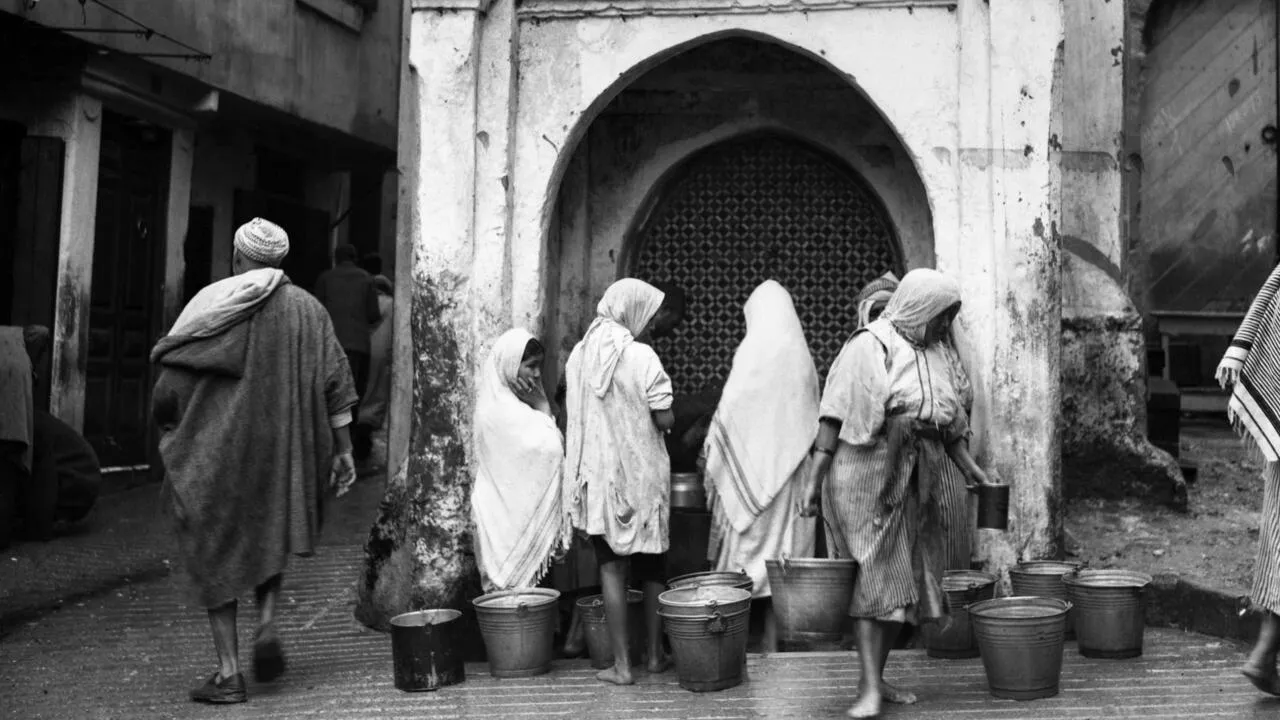
In addition to their direct involvement in conflicts, Moroccan women also contributed to preserving the memory of these struggles through poetry. Researchers have uncovered instances of women who left behind verses chronicling the hardships of war, although these voices remain largely absent from the national narrative. During the 1940s and 1950s, the independence movement gained momentum in urban areas, with women increasingly engaging in political advocacy through press publications and the formation of political parties. It was during this time that the emergence of the female djellaba symbolized a shift, allowing women to step into the public sphere more freely.
Historian Assia Benadada notes that women from diverse social backgrounds and regions actively participated in the nationalist movement, yet their roles have often been marginalized within nationalist discourse. This discrepancy highlights a broader issue within historical narratives, where women's contributions are frequently minimized or overlooked. The recognition of these unsung heroines is not only vital for understanding Morocco's past but also for empowering future generations of women who continue to fight for equality and recognition in all aspects of society.
As reported by rfi.fr.