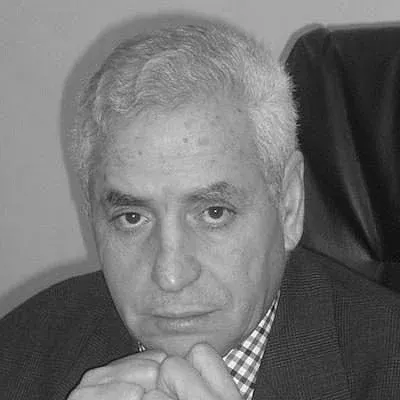
Mustapha Dihani: A Case of Arbitrary Detention in Morocco
On October 21, 2025, the Moroccan authorities apprehended Sahrawi activist Mustapha Dihani under dubious terrorism allegations, subsequently incarcerating him in Salé 2 prison. Dihani's treatment while in custody has raised significant human rights concerns, particularly allegations of physical abuse by prison guards and a lack of access to necessary medical care. Since his arrest, he has endured prolonged solitary confinement, a condition that exacerbates the psychological toll of his detention. His next court appearance is set for October 15, 2026, a date that many activists and human rights organizations are closely monitoring.
In light of these developments, it is imperative for the Moroccan government to take immediate action to rectify this situation. There are urgent calls for Dihani's unconditional release, as well as for a thorough investigation into claims of mistreatment and torture during his detention. Reports indicate that Dihani was subjected to coercion to obtain forced confessions while in police custody, a practice that violates fundamental human rights and due process. It is essential for all parties involved to acknowledge and address these serious allegations to ensure that justice is served and that such abuses do not continue unchecked.
Call to Action
The case of Mustapha Dihani is not merely an isolated incident but rather part of a broader pattern of repression against those who advocate for human rights and freedom of expression in Morocco and Western Sahara. International human rights organizations, including Amnesty International, are calling for collective action to put pressure on the Moroccan authorities to uphold human rights standards. Advocates are encouraged to raise awareness regarding Dihani's plight and to demand accountability for those responsible for human rights violations.
As global citizens committed to justice and human dignity, we must stand in solidarity with Mustapha Dihani and all individuals who face persecution for their beliefs. The call for equitable treatment, fair trials, and humane conditions in detention centers should resonate with anyone who values human rights and social justice.
As reported by amnesty.org.