Minister Fratti Announces Key Developments in Rice Export Markets
The Minister of Livestock, Agriculture, and Fisheries, Alfredo Fratti, has announced significant advancements in Uruguay's rice export strategy, particularly the opening of the market for husked rice to Mexico. Additionally, the requirements for exporting cargo rice to Morocco have been recently established. Fratti emphasized that the trade agreement between Mercosur and the European Union will eliminate tariff payments to this region, providing a crucial boost to the sector.
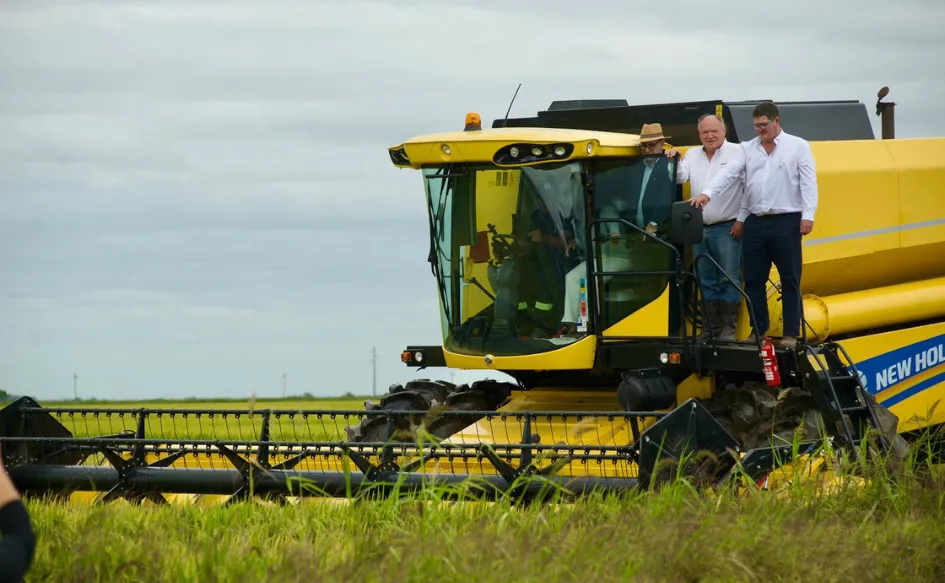
During the official inauguration of the 2026 rice harvest held in Cebollatí, Rocha, on March 10, Fratti underscored the importance of the rice sector for regional employment and economic stability. He pointed out that while the sector has high productivity levels and a strong export orientation, it currently faces challenges due to low international prices. To overcome these obstacles, the minister highlighted the necessity for market openings and investments in irrigation and infrastructure, which are pivotal for the future of rice production in Uruguay.
Uruguay's Rice Production: A Global Leader
Fratti elaborated that Uruguay boasts one of the highest rice productivity rates in the world, a feat achieved through the dedication of local producers, research conducted by the National Institute of Agricultural Research (INIA), technological advancements, improvements in irrigation, fertilization, and genetic enhancement. He revealed that rice cultivation occupies approximately 1% of the country's agricultural land, with about 95% of the production being exported, positioning Uruguay among the top ten global rice exporters. In terms of export value, rice ranks sixth among the country's exported goods.
The primary rice production takes place in the eastern, central, and northern departments of Uruguay, with around 400 companies involved in investment, logistics, research, and development dedicated to cultivating this vital crop. Notably, Mexico serves as the main export destination, with the recent opening of the husked rice market complementing existing exports of white and polished rice. Fratti remarked that this development has been a longstanding demand from the exporting sector.
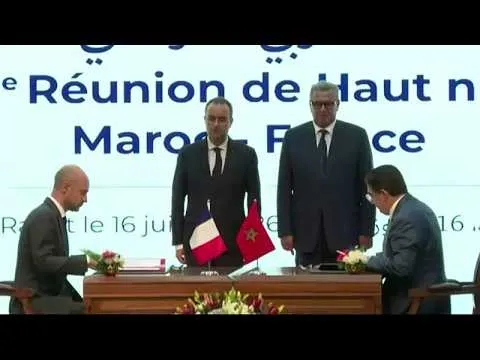
The minister also confirmed that the response from Morocco has outlined the requirements for cargo rice exports to that country. Furthermore, the trade agreement between Mercosur and the European Union, signed in January in Asunción, is expected to facilitate the annual import of 60,000 tons of rice into the bloc without tariff fees, thereby reducing costs.
According to data from the Office of Agricultural Programming and Policy (Opypa), rice exports to the European Union reached $89 million in 2025, totaling nearly 150,000 tons. Fratti emphasized that support for the rice sector is rooted in research, innovation, health services, infrastructure, and commercial promotion. He also mentioned a 15% discount on energy for irrigation, the ongoing regulation of the value-added tax (VAT) refund on diesel for those taxed under the agricultural goods sales tax (Imeba), and investment incentives through the Investment Law Application Commission (Comap) for those contributing to the income tax on economic activities (IRAE).
The minister concluded by stating that the competitiveness of the rice sector hinges on international prices, reducing production costs, infrastructure development, market access, and investments in irrigation and sustainability, including international certification for sustainable rice. He also confirmed the government’s commitment to implementing a strategic irrigation plan, which led to the formation of the Interministerial Executive Commission for Irrigation Affairs. Progress is being made on technical studies regarding the potential construction of the Palo a Pique dam in Treinta y Tres and El Águila in Soriano.
Additionally, Fratti announced that as of March 9, all departments located south of the Negro River have been included in the benefits from the agricultural emergency declaration due to water shortages affecting livestock, farming, dairy, and agriculture sectors. Opypa forecasts an average productivity of 9,000 kilograms per hectare in 2026, projecting a total production close to 1.5 million tons, which would generate an estimated revenue of $430 million from rice exports.
The primary export destinations in terms of value are Mexico (31%), Brazil (17%), Peru (7%), Spain (7%), Belgium (6%), Turkey (6%), the Netherlands (5%), and the United Kingdom (4%), among others. Ongoing efforts are being made to enable the export of rice grain with husk to Colombia and Ecuador, as well as husked rice grain to Colombia and Iraq.
The official inauguration event in Cebollatí was attended by several ministers, including Gabriel Oddone (Economy and Finance), Carlos Negro (Interior), Edgardo Ortuño (Environment), Sandra Lazo (National Defense), and Fernanda Cardona (Industry, Energy, and Mining), alongside other key officials and stakeholders in the agricultural sector.
As reported by gub.uy.