US-Morocco Talks for Stable Fertilizer Supply
The White House has disclosed its ongoing discussions with Morocco aimed at securing a reliable supply of fertilizers for American farmers, particularly in light of the ongoing ramifications of the conflict in the Middle East. Economic advisor Kevin Hassett has confirmed that the Trump administration is actively seeking alternative sources of fertilizers, a measure made necessary by the shipping restrictions imposed due to the conflict with Iran, as reported by Moroccan media citing international sources.
Hassett elaborated that these efforts also extend to Venezuela, where Washington has granted licenses to increase fertilizer production. He emphasized that the collaboration with Morocco is a strategic move, described as a "safety net" to shield the U.S. agricultural sector from the volatile market conditions exacerbated by the ongoing conflict.
Impact on Global Fertilizer Prices and US Agricultural Policies
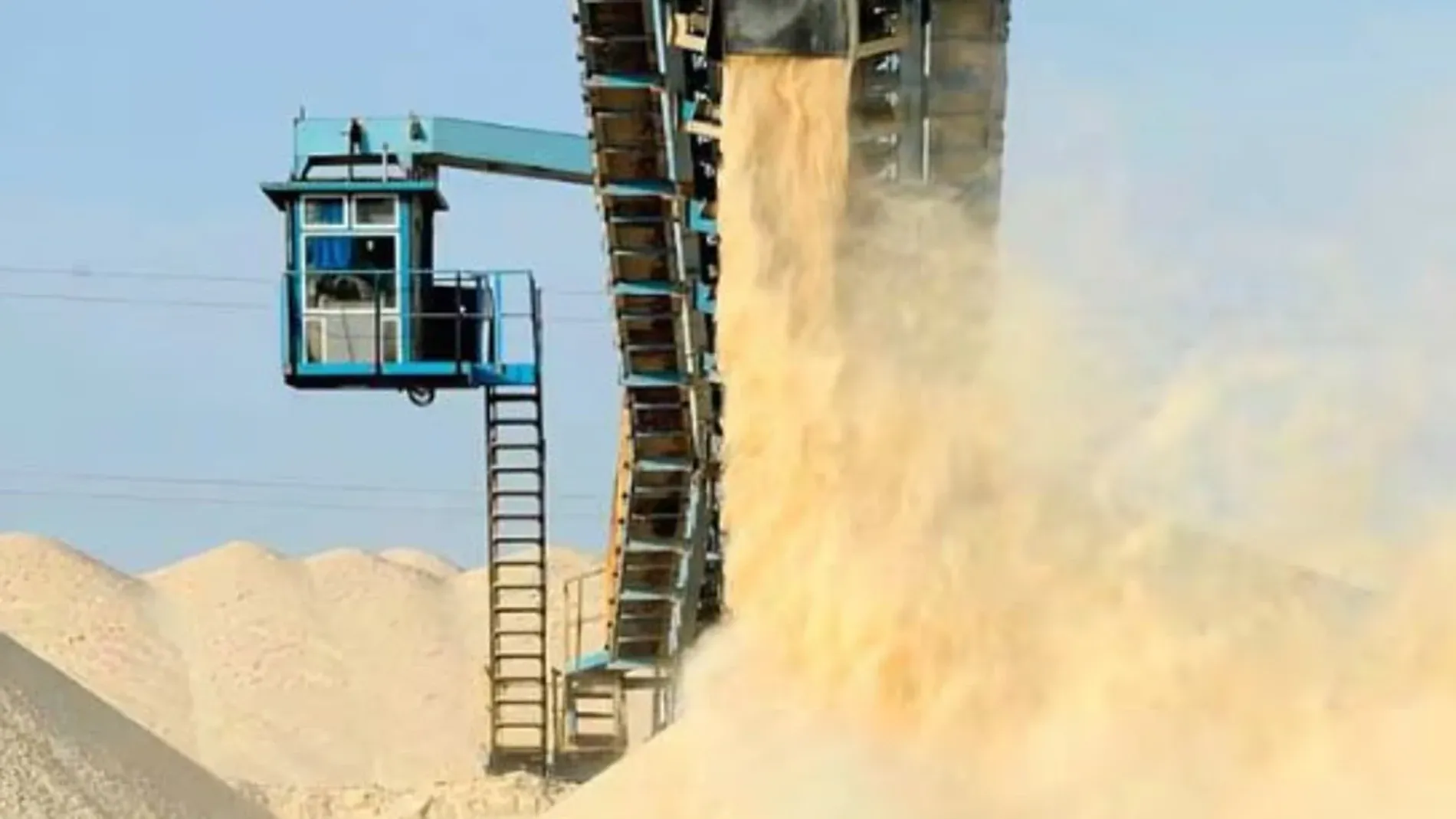
This American initiative comes at a critical juncture, as the war has disrupted the supply of nitrogen fertilizers from the Gulf region, leading to a staggering increase of over one-third in global prices in recent weeks. This surge has raised alarm concerning implications for international food security. Concurrently, discussions are intensifying in the United States regarding trade policies associated with fertilizer imports. Major agricultural organizations have called for the elimination of countervailing duties imposed on Moroccan phosphate fertilizers, warning that their continuation will further escalate agricultural production costs in an already high-input market.
In this context, the American Soybean Association and the National Corn Growers Association jointly sent a letter urging the removal of support for these tariffs, first imposed in 2021. They argue that these tariffs directly contribute to maintaining elevated prices, which consequently harms farmers across the nation.
As reported by larazon.es.