
US Diplomacy and Iranian Influence in the Region
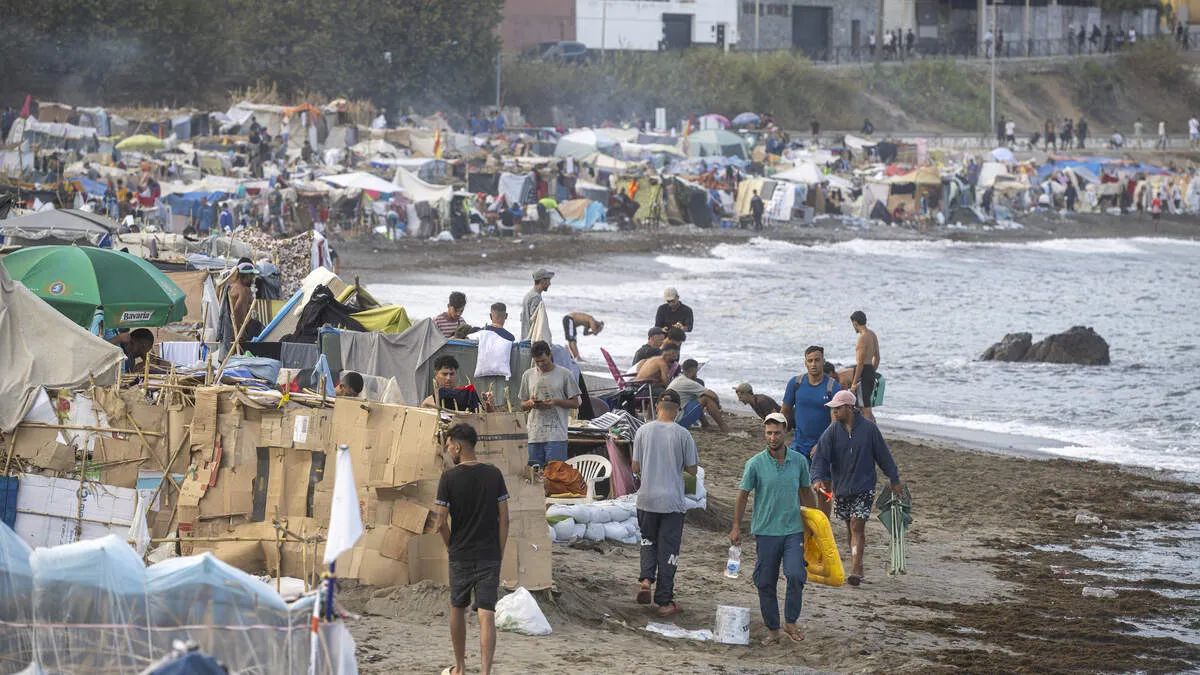
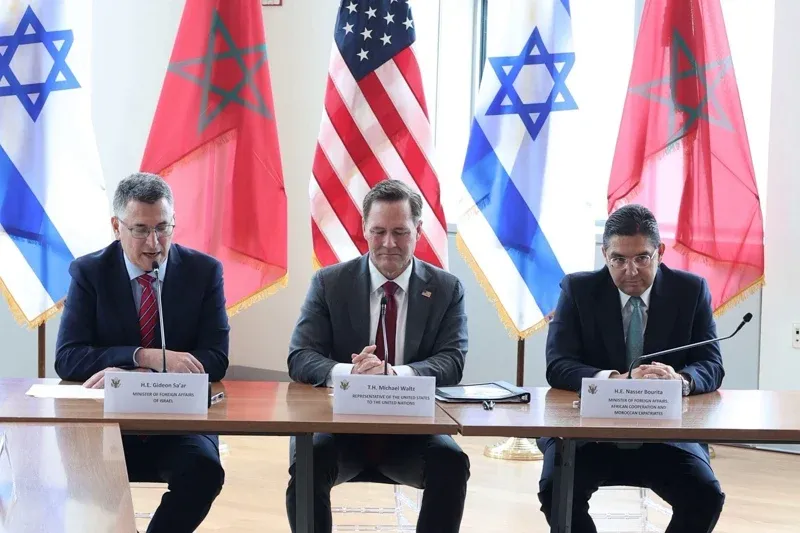
The American administration, in coordination with the United Nations, is undertaking intense diplomatic efforts to resolve the long-standing Maghreb conflict before the year's end. Central to this initiative is the implementation of UN Security Council Resolution 2797, which acknowledges granting autonomy to the Sahara region under Moroccan sovereignty, dismantling the Tindouf camps, and allowing their residents to return to their homeland. American sources indicate that resolving this decades-long dispute is classified as a strategic priority in Washington, not only due to Maghreb interests but also because it directly ties into US national security across three interconnected environments: the Middle East, Africa, and the southern Mediterranean. The persistence of this conflict creates a fertile environment for the expansion of Iranian influence in the entire region.
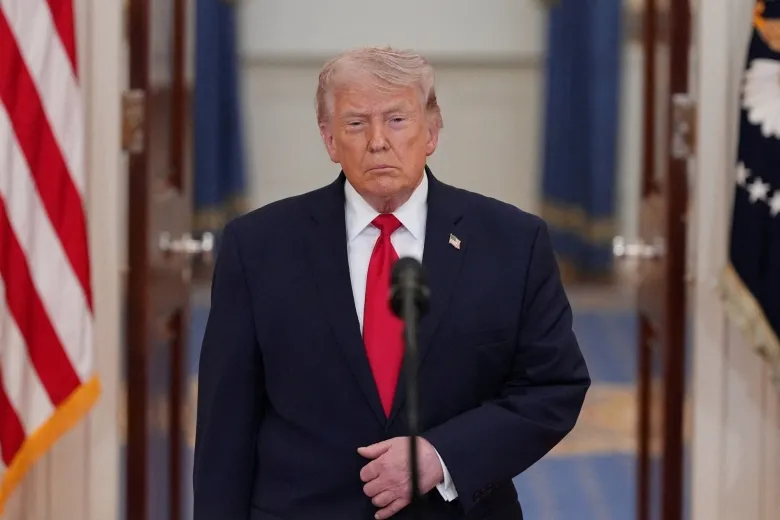
Furthermore, these sources highlight a notable synchronicity between the initiation of negotiations between Lebanese and Israeli delegations, facilitated by President Trump, and the UN Security Council sessions dedicated to the Sahara issue. The Council has held two closed sessions on April 24 and 30, focusing on ending the dispute, dismantling the camps, and disarming the "Polisario Front," which some American parties accuse of receiving training and arms through channels tied to "Hezbollah," although such allegations remain unverified by concrete evidence thus far.
While the Middle Eastern and North African files differ in their specifics and contexts, they intersect under a new strategic security paradigm that Washington is rapidly establishing. This concept is predicated on a central principle: to limit dealings and negotiations to legitimate states and governments while excluding non-state actors—whether armed factions of a religious nature or political movements claiming legitimacy outside internationally recognized institutional frameworks—from the major settlements equation.
Regional Implications and European Perspectives
In this context, Iran is viewed as a supporter of "Hezbollah," which implies that the Lebanese arena has become a card in a broader regional equation that does not necessarily serve purely Lebanese interests. Regarding the Western Sahara issue, some analytical circles have raised questions about the nature of Tehran's relationship with the "Polisario Front," especially given the well-known historical tensions between Iran and Morocco, particularly post-Iranian revolution.
Ultimately, it appears that Washington prefers to engage directly with Rabat and Algiers as the primary parties in this protracted dispute, which intertwines the remnants of the Cold War with regional power dynamics between two competing neighbors. This pathway reflects an American conviction that any lasting settlement can only be achieved through the directly involved parties, away from the agendas of external powers, regardless of their nature.
European capitals recognize that "stabilizing Lebanon and resolving the Moroccan Sahara dispute could weaken Iranian influence throughout the Middle East and North Africa." Paris believes that strengthening the legitimate state in Lebanon, launching reconstruction projects, and restoring the economic, political, and tourism roles of the Cedar country to their pre-1983 state would make the Middle East safer, more stable, and prosperous. In the Maghreb, resolving the Sahara file revives hope for the long-cherished historical integration project across successive generations.
As reported by majalla.com.