
Volkswagen and Gotion's Joint Ventures for Battery Solutions
In an ambitious move to secure a sustainable supply of affordable battery cells for electric vehicles (EVs), Volkswagen has announced its collaboration with Chinese battery manufacturer Gotion High-Tech to establish three joint ventures in Spain, Slovakia, and Morocco. This strategic partnership aims to enhance the production and availability of lithium iron phosphate (LFP) batteries, which are gaining traction globally but have yet to be manufactured on a larger scale in Europe. The growing dominance of LFP technology is evident in the Chinese battery market, where LFP cells represent a significant portion of the production landscape.
The joint ventures will not merely create additional battery cell manufacturing facilities; they will foster an integrated supply chain that encompasses everything from cathode materials to fully assembled battery cells. The Spanish facility stands out as the largest project within this initiative, projected to have a capacity of 30 GWh, which could potentially support the production of hundreds of thousands of electric vehicles annually. However, the actual output will depend on various factors, including battery size, operational efficiency, and production waste.
Benefits and Challenges of LFP Technology
In Slovakia, the joint venture will initially focus on a 10 GWh block to supply battery cells to production facilities in Bratislava and Győr, Hungary, once the Spanish plant reaches its operational capacity. Gotion also plans to utilize this block for other automotive manufacturers, further diversifying their supply capabilities. One of the key advantages of LFP cells is that they do not require nickel or cobalt in their cathodes, making them generally more cost-effective, thermally stable, and capable of enduring numerous charging cycles. However, challenges remain, particularly regarding energy density and performance in cold conditions, which may impact their suitability for certain applications.
For compact electric vehicles, the benefits of LFP technology often outweigh the drawbacks, as a lower price point is typically prioritized over maximum range. The VW group's model strategy aligns well with these characteristics, as vehicles like the VW ID. Cross and other entry-level electric models from VW, Škoda, and Cupra require competitively priced battery solutions. The increasing demand for these new electric vehicles places additional pressure on Volkswagen to secure a stable supply of battery cells at predictable prices.
The Moroccan site holds strategic importance, as it will not only produce battery cells but also cathode materials, thereby enabling Gotion to localize a significant portion of its value chain outside of China. The partnership also aims to ensure a steady supply of lithium and rare earth materials through local sources. For Volkswagen, this collaborative approach reduces dependency on individual suppliers and mitigates long import routes. Furthermore, Morocco's strong trade ties with the European Union could provide advantages in light of potential European sourcing quotas or increased tariffs on imported battery cells.
However, the site does not fully guarantee protection against trade barriers, as free trade agreements do not automatically shield businesses from new tariffs, as seen in various international cases. The future of local battery production and its components will heavily depend on the criteria set by the EU for these products.
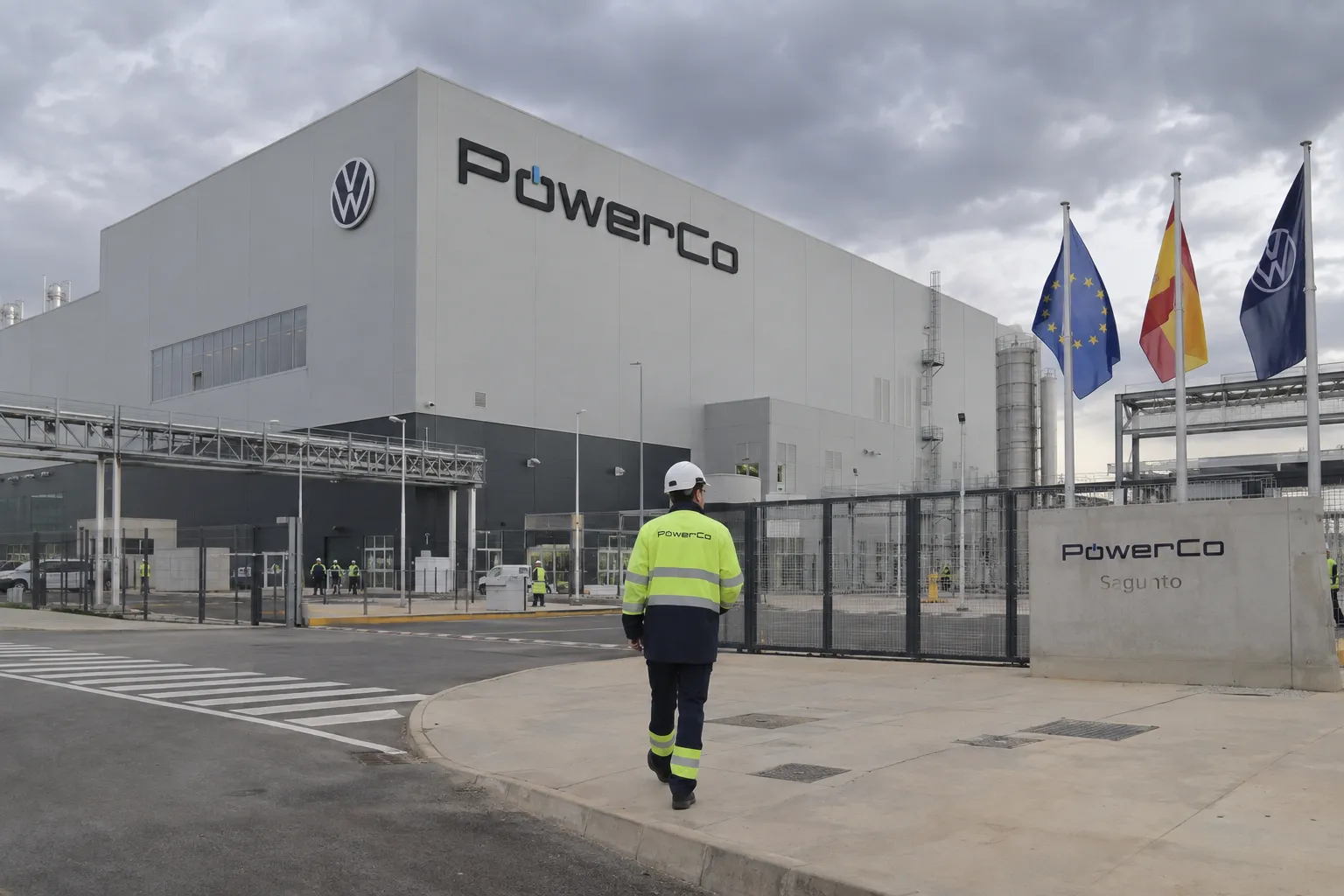
This initiative comes on the heels of several setbacks in developing independent European battery manufacturing capabilities. Northvolt, for instance, filed for bankruptcy in March 2025 due to challenges in stabilizing industrial production. Other European battery projects have faced reductions, delays, or cancellations. PowerCo, Volkswagen's battery subsidiary, is also progressing more slowly than initially anticipated, with its Salzgitter plant set to gradually ramp up production to around 1 million cells or approximately 0.5 GWh by 2026, ultimately aiming for a capacity of 20 GWh, with Gotion remaining as a technology partner.
Thus, this partnership represents a pragmatic acceleration rather than a retreat from developing in-house battery expertise. By combining proprietary facilities, joint factories, and external technologies, Volkswagen can scale its operations more swiftly while distributing industrial risks effectively. Notably, Gotion will not be involved in the planned PowerCo facility in St. Thomas, Canada, due to concerns that a Chinese stakeholder could jeopardize state funding. Volkswagen has therefore clearly defined the regional scope of this cooperation, with no plans for Gotion to hold a stake in PowerCo's parent company.
Simultaneously, Volkswagen intends to reduce its direct stake in Gotion from approximately 24% to nearly half, potentially generating close to one billion euros for the company. Despite this reduction, both companies will maintain closer operational ties through their respective joint ventures.
The relevant regulatory bodies in Germany and China have reportedly approved the plans, with the final contract signing still pending. Consequently, the outlined capacities, timelines, and partnerships are expected to proceed as planned.
For Europe's electric vehicle market, the realization of these joint ventures would mark a significant advancement. Affordable LFP cells produced locally could lower costs, stabilize supply chains, and enhance Volkswagen's competitiveness in the compact electric vehicle sector. Nonetheless, the success of this initiative hinges on the timely ramp-up of the three sites and their ability to meet the projected production targets reliably.
As reported by elektroquatsch.de.