
Morocco's Strategic Role in Phosphate Supply
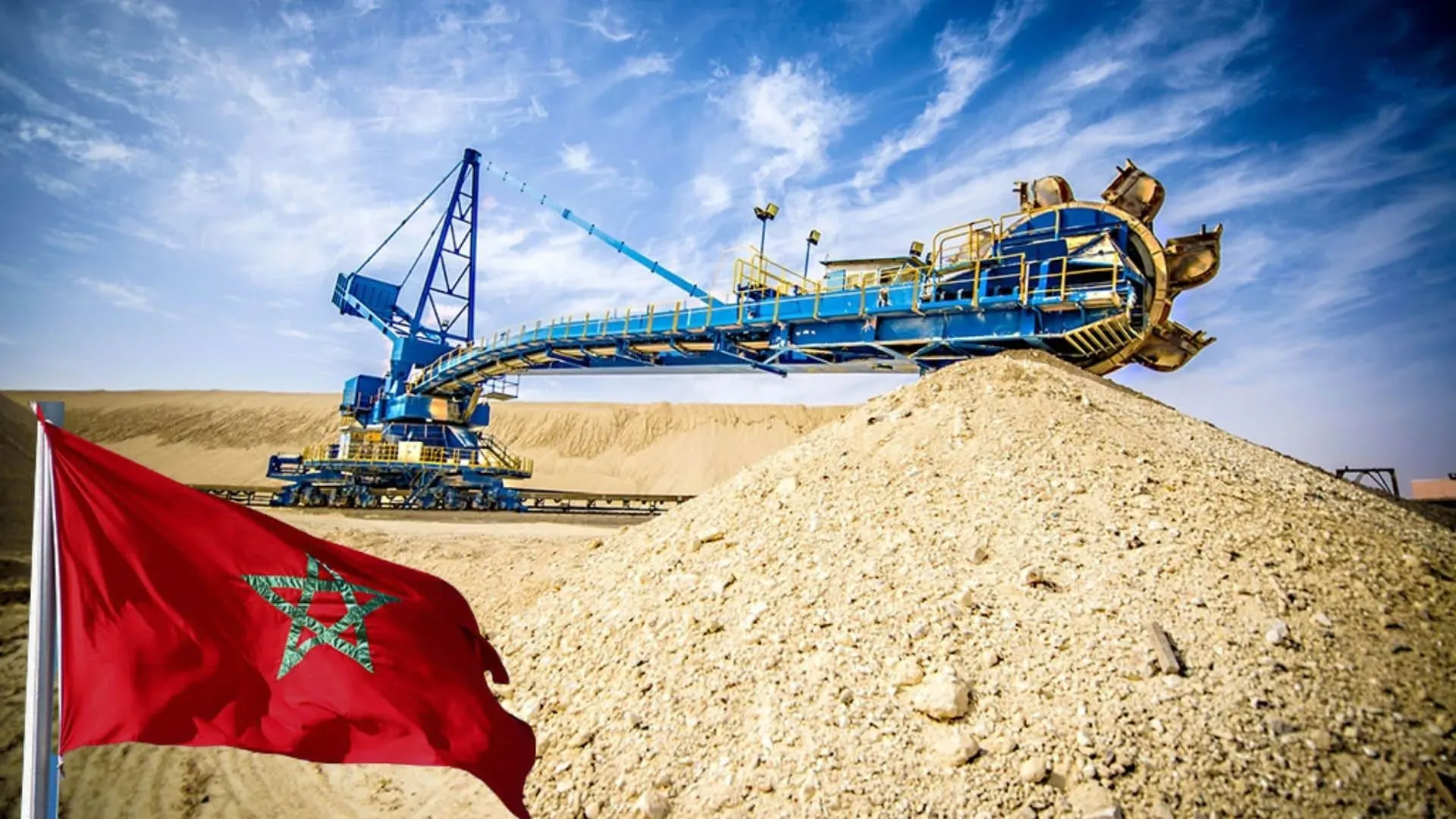
A recent analysis by the Washington Institute for Near East Policy has underscored the importance of Morocco in the United States' efforts to reduce its reliance on Chinese phosphate and fertilizer supplies. This think tank, known for its focus on American policy and interests in the Middle East, argues that any serious initiative aiming to establish a robust fertilizer infrastructure in the Maghreb should begin with Morocco, which holds a staggering 70% of the world's known phosphate reserves. The Moroccan company OCP (Office Chérifien des Phosphates) has advanced capabilities in refining, transforming, and producing fertilizers, positioning it as a pivotal player in global agricultural supply chains.
This analysis comes in light of China's recent decision to halt phosphate exports from December 2025 until August 2026, a significant move that has already impacted global supply, reducing exports from 950,000 tons to just 13,000 tons by March 2025. Concurrently, prices for diammonium phosphate have surged by 28% over the past year, prompting Washington to categorize phosphate as a critical mineral as of November 7, 2025.
Challenges and Recommendations for U.S. Policy
In addition to its vast reserves, Morocco benefits from a long-standing alliance with the United States, having been designated a Major Non-NATO Ally in 2004. This partnership is further strengthened by OCP's investments across Africa and the strategic role of the Tangier Med port in connecting African, European, and global markets. The Moroccan phosphate strategy is not merely extractive; it incorporates industrial and geopolitical dimensions that enhance its significance in the global market.
However, the report cautions against over-reliance on Morocco, suggesting that it could lead to new vulnerabilities. The authors advocate for the establishment of a diversified regional supply network, with Morocco serving as the main industrial and logistical hub. Such cooperation would not only enhance Morocco's position as a global leader in fertilizers but also solidify its role as a strategic gateway between Africa, Europe, and the Atlantic.
As reported by yabiladi.com.