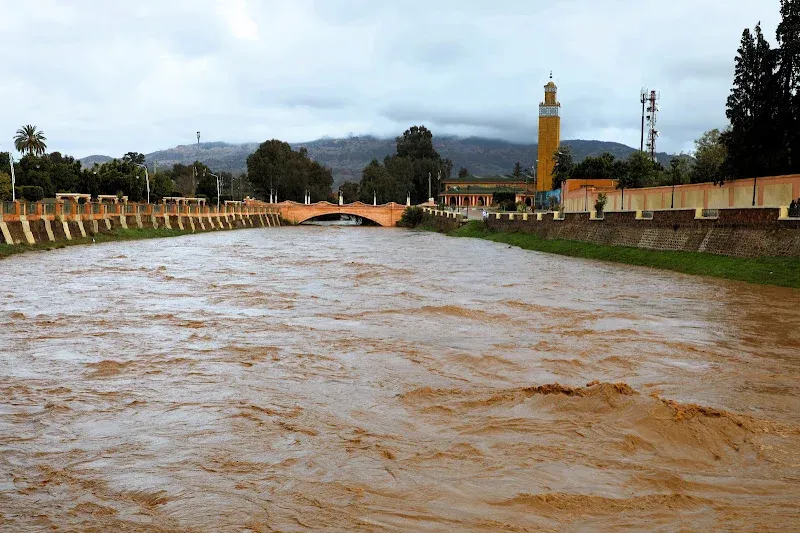

The water situation in Morocco has shown significant improvement this year, thanks to the considerable rainfall and snowfall the country has experienced. However, it appears that many Moroccans have forgotten the severe water crisis that plagued the nation due to dwindling water resources and consecutive years of drought. As we witness rising temperatures, there is a growing concern regarding the irresponsible waste of water, particularly in urban and rural areas where poor management practices are evident. Many regions, especially remote areas, suffered last summer as residents struggled to find potable water.
Experts warn that the current abundance of water should not lead to complacency in managing these precious resources. Instead, it should instigate increased vigilance and a push for structural reforms related to water security. Mustafa Al-Aissat, an environmental and water expert, pointed out that this year's precipitation has led to an exceptional water reserve, with dam fill rates exceeding 75%, surpassing the threshold for the nation's water security. He noted that significant snowfall covered approximately 57,000 square kilometers, particularly in the High and Middle Atlas regions. This snow not only replenishes aquifers and rivers but also provides an essential water resource for areas that have faced scarcity in recent years, especially in Morocco's deep rural regions.
Al-Aissat emphasized that these positive indicators do not exempt us from continuing efforts to protect our water wealth. He remarked that water scarcity remains a fundamental characteristic of Morocco due to its geographical and climatic nature, categorizing it as a dry and semi-dry region. He also highlighted that while rainfall is concentrated in the north, central and southern regions increasingly suffer from water shortages due to the country's proximity to the Sahara Desert and the effects of colliding dry and humid air masses.
There is an urgent need to accelerate the execution of major water projects outlined in the National Drinking Water Supply and Irrigation Program, including constructing dams and enhancing water management mechanisms to better harness resources that are lost during flood periods and subsequently flow into the sea. Al-Aissat pointed out the significance of the "water highways" project, which would transfer surplus water from northern regions to areas experiencing water stress, particularly in the Chaouia and Tensift regions, thereby promoting equitable distribution of water resources.
Moreover, he underscored the importance of continuing investments in seawater desalination plants, viewing them as a strategic option for achieving water balance in coastal cities and enabling the agricultural sector to access a larger share of traditional water resources. This approach is crucial for bolstering food sovereignty and supporting the agricultural sector, which is a vital component of employment and economic development, especially following the losses incurred during the recent drought years.
Al-Aissat also raised concerns about the troubling situation in some areas, particularly the Souss-Massa region, where groundwater has been severely depleted in recent years. He called for measures to allow these aquifers to regain their natural balance and emphasized the need to rely more on unconventional water resources, primarily through seawater desalination and the reuse of treated wastewater. Similarly, environmental and water expert Abdel Rahim Hindouf stressed the importance of not relaxing water management practices during the summer months, despite the recent improvement in water reserves.
Hindouf stated that the current abundance of water does not guarantee the same situation in the coming years, underscoring the need for continued strict regulatory measures adopted during drought years, particularly concerning non-essential water uses such as filling private pools or excessive recreational use. He advocated for stricter monitoring of water wastage and the implementation of punitive measures against violators, insisting that preserving water resources must become a permanent behavior rather than a temporary response tied to periods of drought.
He emphasized that authorities must continue awareness and monitoring campaigns throughout the summer, highlighting the real challenge of instilling a culture of water conservation among citizens year-round. The recent improvement in dam levels should not lead to excessive consumption, as Morocco remains susceptible to severe climate fluctuations, making it impossible to predict precipitation levels in future seasons. Hindouf articulated that safeguarding current water reserves is an investment in the future, especially considering the likelihood of returning drought years, urging everyone to treat every drop of water as a strategic resource that must be protected. He further argued that the water issue extends beyond environmental concerns, linking it to national security and the strategic stability of the kingdom, necessitating ongoing mobilization of authorities, media, and civil society to foster a culture of consumption moderation and preservation of this vital resource.
As reported by hespress.com.