
Moroccan Victory Amidst Controversy
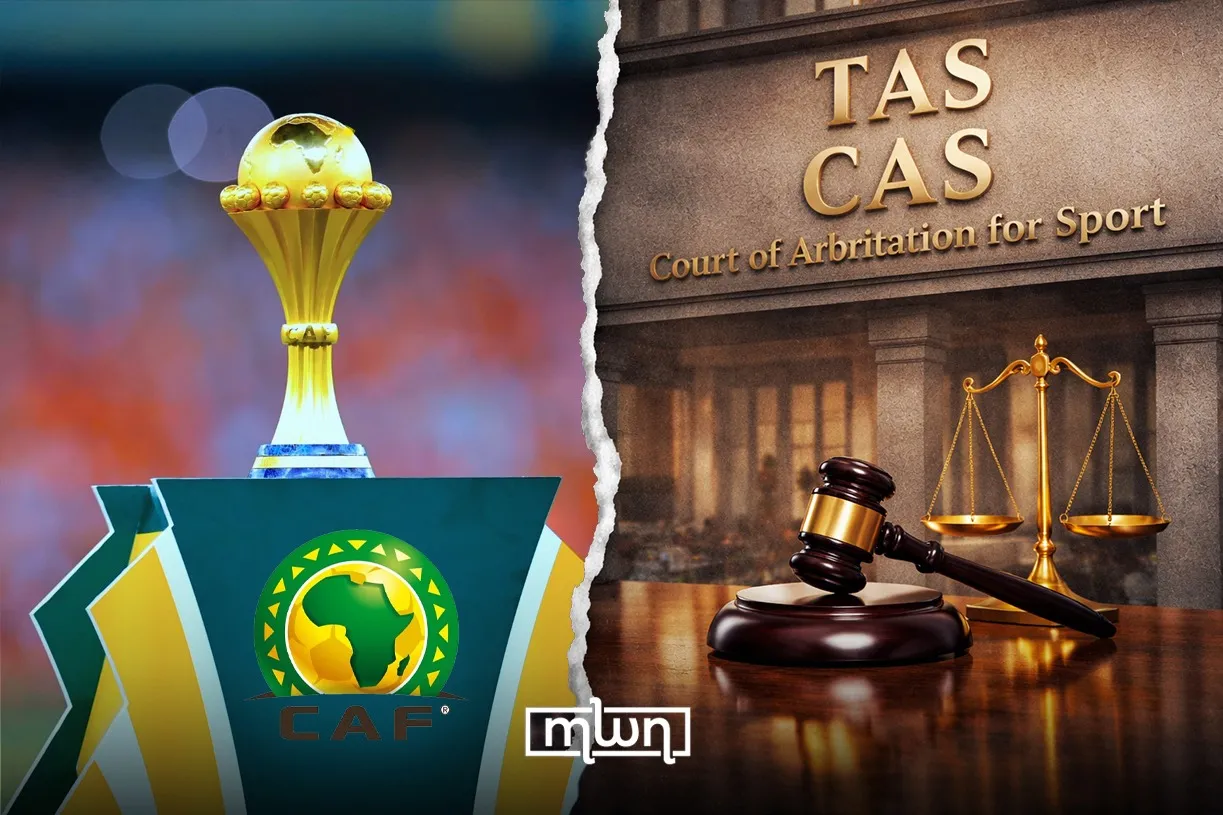
On March 17, the ongoing dispute regarding the Africa Cup of Nations (AFCON) 2025 reached a critical juncture that favored Morocco. The CAF Appeals Committee declared Morocco the rightful winner, overturning Senegal's earlier title in what has been described as one of the most tumultuous conclusions in AFCON's storied history. This decision came after widespread discontent from Moroccan fans and analysts globally, who criticized the initial ruling that awarded Senegal the championship despite their unsportsmanlike behavior during the match.
The joy among Moroccan supporters was palpable, yet the battle for the title is far from over, as uncertainty looms over whether the Court of Arbitration for Sport (CAS) will maintain this decision. Legal experts have raised concerns that CAS might annul the CAF Appeals Committee's ruling and restore the title to Senegal. They argue that the debacle that unfolded during the AFCON final falls under “field-of-play matters,” which are traditionally deemed to be within the referee's exclusive jurisdiction according to Article 5 of the Laws of the Game. This interpretation implies that once a referee concludes a match, its outcome is generally not subject to further dispute, even in cases of questionable penalties or inappropriate red card decisions.
Legal Considerations Surrounding the Title
However, a closer examination of CAF regulations and the principles applied by CAS in similar cases suggests that Morocco's claim to the title remains strong. Several critical factors could favor Morocco, illustrating that Senegal's actions during the match extend beyond the realm of field-of-play decisions. For instance, the Senegalese team exited the pitch mid-game, retreating to their locker room. Notably, one player, Ibrahim Mbaye, leveraged this moment to broadcast live on TikTok, claiming that “the trophy was stolen from us.” This behavior raises crucial questions about how Senegal can assert that their actions did not constitute a full withdrawal when one of their players was simultaneously engaging with fans on social media.
This unprecedented withdrawal, accompanied by the players’ return to the pitch, still reflects a significant breach of conduct. Historically, no team has exited a match in such a manner, nor has a player paused their participation to stream live during a game. Furthermore, the interference from external figures, such as veteran French coach Claude Le Roy, who advised Senegalese players to leave the match, further complicates their defense. Le Roy's involvement and the acknowledged communications between the VIP area and match officials suggest that external influences significantly impacted the match's course.
The conduct of Senegalese fans, who protested against the penalty awarded to Morocco leading to violence and vandalism, also indicates that the match was disrupted by factors beyond mere on-field disputes. Such disturbances highlight that the events were not confined to technical decisions made by the referee. The implications of these actions extend to the integrity of the sport itself.
Ultimately, the core issue for both the CAF Appeals Committee and CAS is whether Senegal's conduct violated CAF regulations during the match. The assertion that the referee acted independently and that the final result should remain uncontested is negated by evidence of external pressures on the referee, including instructions to overlook certain infractions, such as the mandatory yellow card for players exiting the field without authorization.
In conclusion, the serious implications of Senegal's actions cast doubt on their claims and underscore the need for accountability in maintaining the integrity of football competitions. Should CAS uphold the CAF Appeals Committee's ruling, it will serve as a reaffirmation of the standards expected of teams and players, thereby preserving the core values of the sport. Conversely, any overturning of this decision could set a dangerous precedent, allowing teams to manipulate match dynamics through disruptive tactics without facing any repercussions. Given CAS’s mandate to uphold the principles of fairness and integrity in sport, it is challenging to envision a scenario in which they would endorse actions that threaten the very foundation of competitive integrity.
As reported by moroccoworldnews.com.