
Understanding the Spanish Government's Response to Moroccan Aggression
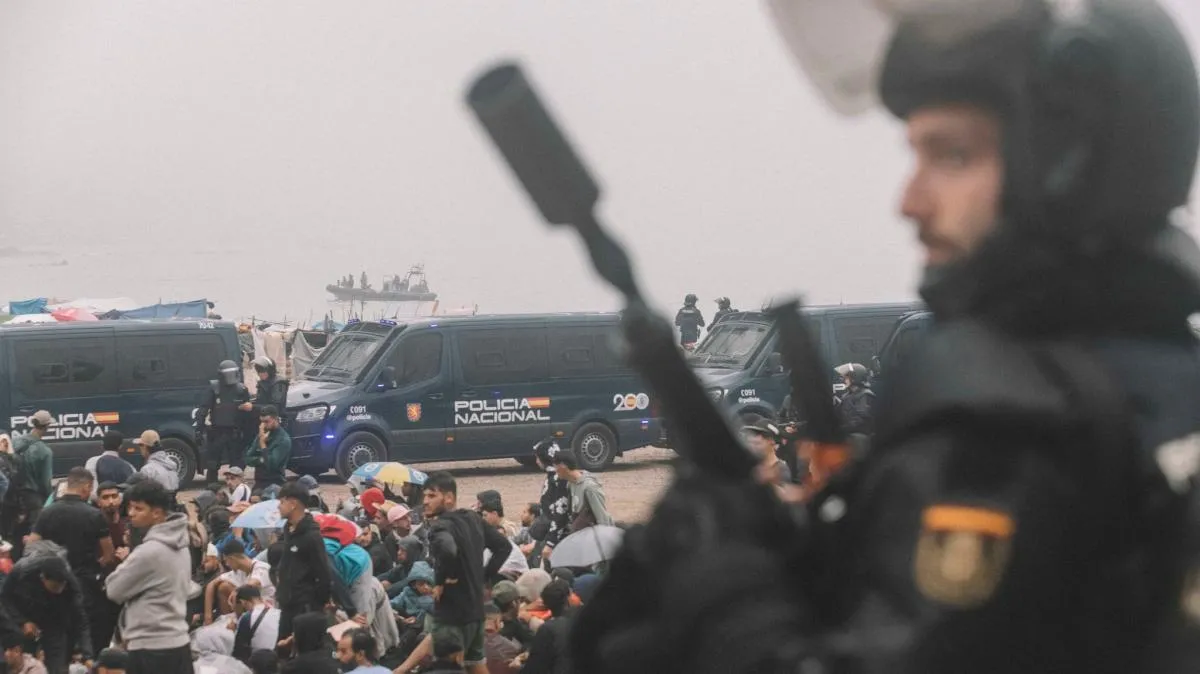
Why does Pedro Sánchez, the Prime Minister of Spain, seem reluctant to address the provocations from Morocco? The recent influx of 80,000 migrants, coupled with Sánchez's directive for his Foreign Minister, José Manuel Albares, to respond to Italy instead of addressing Morocco directly, raises significant questions. Many are perplexed by the government's apparent gratitude toward Morocco, a nation that is concurrently challenging Spain's territorial integrity. Furthermore, the ongoing energy supplies to Morocco during this period of conflict add another layer to this intricate situation.
These inquiries stem from a widespread perception of submission and timidity exhibited by Sánchez's government towards Morocco. A plausible explanation can be traced back to alarming instances of espionage involving Sánchez's mobile phone, which was reportedly compromised by Moroccan operatives using the notorious Pegasus spyware. This breach has ignited a series of events that have escalated tensions between the two nations.
According to official sources, the initial cyberattacks on Sánchez's phone occurred between May and June 2021, resulting in the extraction of approximately 2.6 GB of data in the first incident, followed by a second breach that took another 130 MB. The Spanish government has acknowledged the likelihood of further, less significant infections occurring afterward, a fact publicly admitted by Minister Félix Bolaños in 2022, despite his current dismissal of any connection between the Pegasus spyware and the crisis in Ceuta.
It is crucial to note that Sánchez was not the only target of these espionage efforts; key governmental figures such as Interior Minister Fernando Grande-Marlaska and Defense Minister Margarita Robles also had their mobile devices compromised. This breach of security is particularly concerning given their responsibilities for managing immigration and safeguarding national borders, respectively. Moreover, Luis Planas, the Minister of Agriculture, whose portfolio intersects significantly with Spain's agricultural competition with Morocco, was also affected.
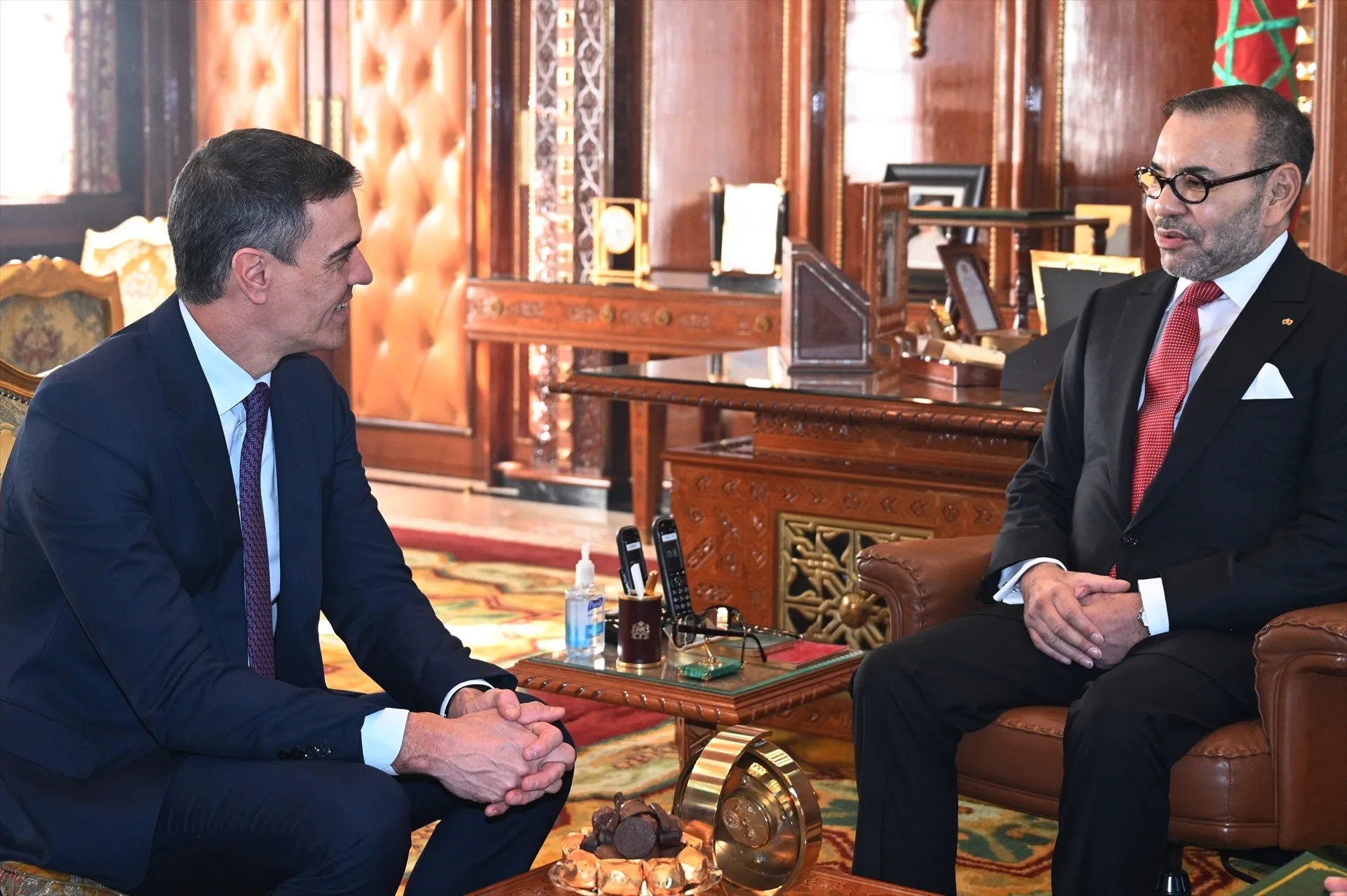
In the aftermath of these espionage incidents, a series of events transpired that appear to correlate with the heightened tensions and diplomatic shifts between Spain and Morocco. Notably, in May 2021, the first mass migration event occurred in Ceuta, involving between 10,000 and 12,000 individuals crossing from Morocco. By March 2022, Spain began altering its long-standing stance on Western Sahara, aligning more closely with Morocco's position that the territory should be integrated into the Moroccan Kingdom. This shift was further solidified in April 2022 when Sánchez and Moroccan King Mohamed VI announced a joint declaration, marking the beginning of a new era of partnership between the two nations.
Subsequent developments included the dismantling of Spain's southern anti-drug unit in September 2022, which had effectively managed the narcotics trade predominantly originating from Morocco. By February 2023, Sánchez unveiled an ambitious €800 million investment plan for Morocco, with further financial commitments announced in subsequent months. This included a €750 million loan initiative for Morocco to purchase trains and an additional €340 million for a desalination plant in Casablanca. The culmination of these events manifested in July 2026 when Ceuta faced another wave of invasion, this time with an astonishing 80,000 individuals arriving from Morocco.
These incidents do not account for the myriad smaller financial and investment support measures that have been extended to Morocco, which many believe are inadequate in addressing the ongoing immigration crisis and its associated challenges.
As reported by libertaddigital.com.