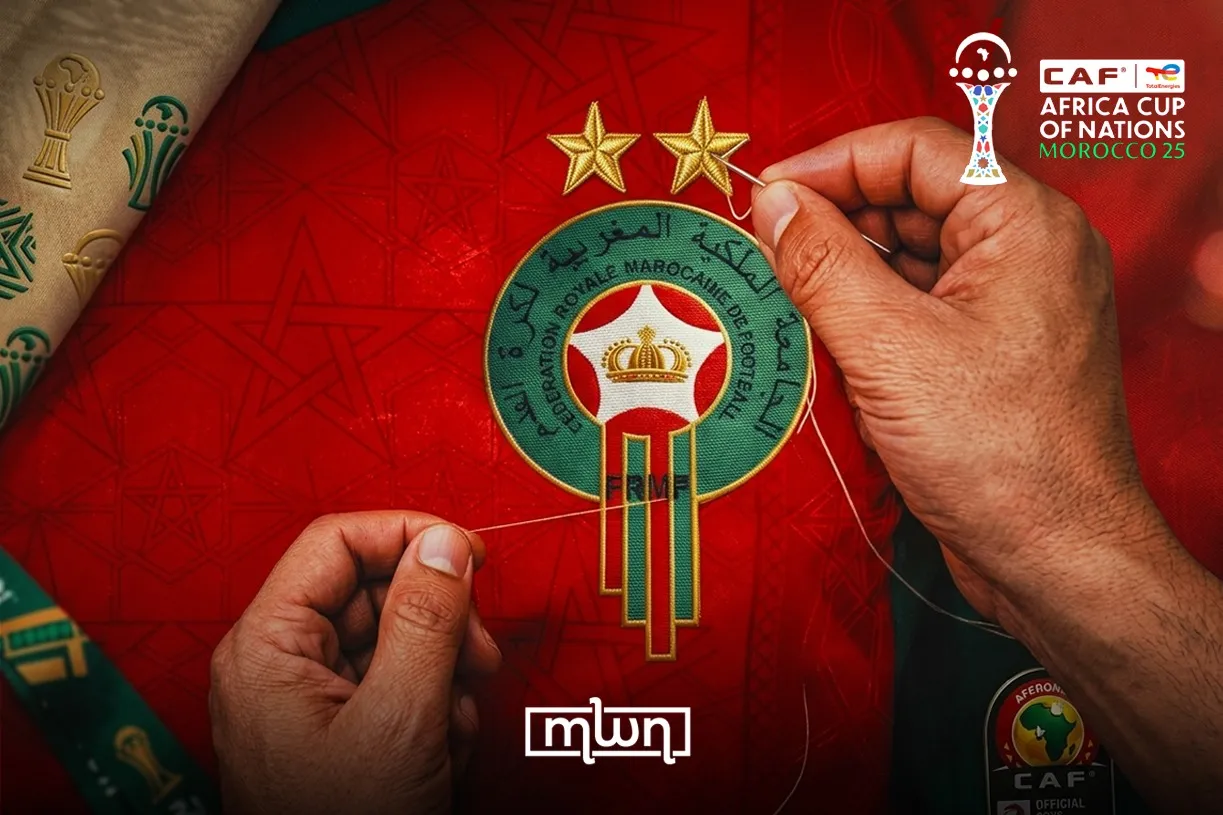

The Confederation of African Football (CAF) has officially declared Morocco the winner of the 2025 Africa Cup of Nations (AFCON), a decision that has seemingly plunged the editorial teams of prominent Spanish sports outlets, such as Marca and AS, into a state of despair. Their reporting following this announcement conveys an atmosphere so somber and combative that one might mistakenly believe Spain has just suffered a devastating loss in a World Cup final to Morocco—a scenario that could, in fact, materialize as soon as this year or in 2030. An examination of the headlines and narratives being pushed by these two Spanish publications reveals a clear bias and longstanding animosity towards Morocco, suggesting that their perception is heavily influenced by their historical relations with the North African nation.
Upon the announcement of CAF’s ruling in the wake of a contentious AFCON final, both Marca and AS wasted no time in seizing what they saw as another opportunity to undermine Morocco's credibility. Instead of providing their audience with an accurate account of the CAF ruling or exploring the complex circumstances surrounding Senegal's unjustifiable walk-off, these outlets opted for sensationalism. The result was a flurry of articles that prioritized misinformation and distortion over factual reporting. Their selective outrage has allowed them to portray Morocco as the primary villain while casting Senegal in the role of an innocent victim, perpetuating a narrative that is devoid of legal context and rooted in unfounded conspiracy theories.
This approach is far from novel in the realm of Spanish sports journalism, particularly regarding Morocco. The historical tensions between Spain and Morocco have fostered a media environment where bias prevails, often to the detriment of journalistic integrity. Headlines from Marca and AS have included inflammatory statements such as, “The scandal of the century in the Africa Cup,” and “Global scandal: the Africa Cup is taken away from Senegal and given to Morocco.” These publications have chosen to ignore the scandalous behavior exhibited by the Senegalese players, which poses a significant threat to the integrity of football. Instead, they focus on the reactions of Senegalese players as if their opinions hold any legal weight against CAF’s final ruling.
Furthermore, both Marca and AS have deliberately chosen to avoid discussing the legal ramifications of CAF's decision or the potential consequences for the future of football should such infractions go unpunished. The CAF regulations are unequivocal, particularly Article 82, which clearly states that any team leaving the field without the referee's authorization is automatically considered the loser of the match. The implications of this ruling are significant, and the lack of adherence to these rules during the final not only undermines the integrity of the game but also reflects poorly on the officiating standards.
Despite the fervent attempts by certain Spanish media outlets to discredit Morocco, there are still voices of reason within Spain, such as former referee Iturralde González, who have defended the legality of CAF's decision. González contended that CAF’s ruling was a necessary correction to a significant refereeing error that allowed Senegal to continue playing after effectively forfeiting the match. He emphasized that every sport must adhere to its rules and that the Senegalese players should bear responsibility for their actions on the field.
As Morocco positions itself as a serious contender for hosting a significant number of matches during the upcoming 2030 World Cup, the anxiety exhibited by Spanish media outlets is palpable. The Moroccan football federation has been vocal about its determination to ensure that Morocco is treated as an equal partner in this opportunity, a stance that has not been well received by Spanish political and media elites who may still harbor outdated perceptions of superiority over their North African neighbor. As they come to terms with Morocco’s rising stature in international football, the Spanish media’s strategy appears to be one of deflection and defamation, as they struggle to accept Morocco's legitimate aspirations in the realm of global sports.
As reported by moroccoworldnews.com.