
The Rise of Women in Moroccan Political Life
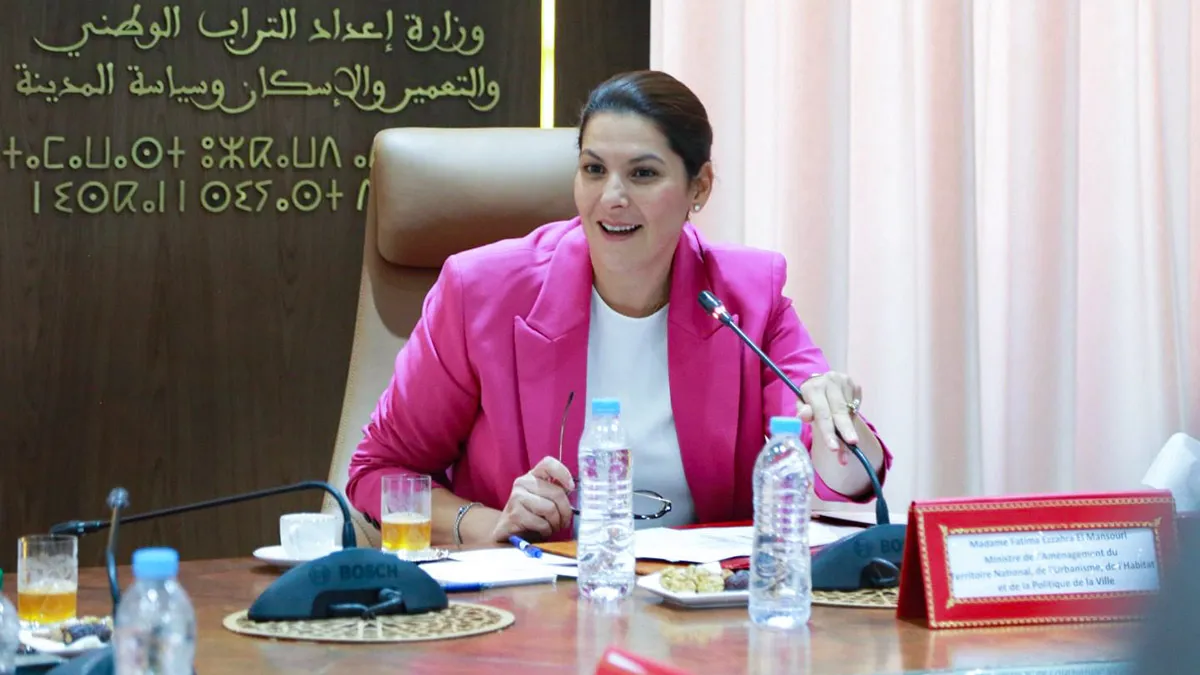
The recent appointment of Fatima Ezzahra El Mansouri signifies a pivotal moment in the landscape of women’s political representation in Morocco, ushering in a new era that prompts reflection on the roles of women and youth within the country's public sphere. While some international media outlets have termed this appointment an 'unprecedented event,' framing it as a hallmark of modernity in the 21st century, such views often overlook the rich historical contributions of women to Moroccan governance. The narrative of Morocco's political evolution has frequently been dominated by male perspectives, yet it is essential to recognize that the foundations of the nation were laid by women who defied societal norms and wielded authority long before contemporary discussions on gender equality.
El Mansouri's ascent does not occur in a vacuum; it is a continuation of a legacy established by remarkable women throughout Moroccan history. From the strategic prowess of Zaynab Nefzaouia, who was instrumental in the establishment of the Almoravid Empire in the 11th century, to the formidable rule of Sayyida al-Hurra in the 16th century, women have consistently occupied critical roles in shaping the political landscape of Morocco. Zaynab Nefzaouia, the wife of Yusuf ibn Tashfin, leveraged her influence not as a mere consort but as a co-ruler and strategist, illustrating the potential for female leadership in a time when women's contributions were often relegated to the background.
Challenges and Progress in Representation
As Morocco has transitioned into a contemporary state since gaining independence in 1956, women have gradually made strides in various sectors, including education, civil society, and politics. Despite these advancements, inequalities persist, and the path to women's inclusion in decision-making processes has not been a straightforward journey. The recent legislative elections held on September 23 reveal a noteworthy increase in female representation within the House of Representatives, climbing from 24.3% in 2021 to 27.1%, with 107 women now serving among the 395 representatives. However, this numerical gain is clouded by the fact that a significant portion of these women were elected through reserved regional slates, underscoring the ongoing reliance on affirmative action mechanisms for women's representation in politics.
This situation raises critical questions about the broader social, political, and economic contexts that must evolve to enable more women to access political institutions through regular electoral processes, rather than depending primarily on reserved seats. El Mansouri's potential leadership role could serve as a catalyst for addressing these systemic barriers, yet it also highlights a stark contradiction: while her rise symbolizes progress, it simultaneously reveals the ongoing underrepresentation of women in legislative roles, where they still constitute no more than 30% of the seats.
The paradox of exceptional women leading in a political arena that still limits female participation can be analyzed through multiple lenses. Firstly, the notion of exceptionalism versus representativeness raises concerns that El Mansouri's achievement might be utilized as a facade of progress, masking the existing gender barriers that many women face in accessing political roles. Secondly, educational disparities, particularly high female illiteracy rates in rural areas, further complicate the landscape, suggesting that having a woman in a high-ranking position does not automatically translate to improved conditions for the broader population of women. Lastly, the divide between elite leadership and grassroots engagement remains stark, as the pathways to political influence are often inaccessible for many women due to cultural norms and entrenched patriarchal structures within political parties.
In conclusion, Fatima Ezzahra El Mansouri's potential leadership role is emblematic of a significant shift in Morocco's political narrative, reflecting the enduring struggle for women's representation. However, true change will only manifest when women's leadership is not confined to a select few at the top but instead fosters an environment where broader female participation is realized at all levels of public life. As Morocco navigates this new chapter, it is crucial to continue advocating for a political landscape that is inclusive, equitable, and reflective of the diverse voices that comprise its society. As reported by atalayar.com.