Morocco Celebrates World Meteorological Day
On March 23, 2026, Morocco joined the global community in commemorating **World Meteorological Day**, an occasion highlighted by the World Meteorological Organization (WMO) under the theme "Observing Today to Protect Tomorrow." This theme underscores the critical role of weather and climate monitoring systems in understanding atmospheric dynamics and enhancing the protection of lives and property. The observance of this day brings to light the significance of meteorology, which has evolved beyond mere weather forecasting to encompass climate analysis and the anticipation of extreme weather events, thereby contributing to risk reduction and safeguarding future generations. Data collected through these monitoring efforts form the foundation for accurate forecasting and effective early warning systems.
Advancements in Meteorological Capabilities in Morocco
Globally, millions of data points are collected daily through an integrated network of weather observation stations, radars, atmospheric balloons, and satellites, complemented by marine and aerial monitoring networks. These data represent approximately 90% of the inputs used in numerical weather prediction models. Such information is crucial for feeding numerical models that track atmospheric developments and anticipate hazardous phenomena. It also supports decision-making across vital sectors, including aviation, agriculture, energy, and water resource management, while ensuring the protection of infrastructure and public safety.
Technological advancements, particularly in high-performance computing, artificial intelligence, and next-generation satellite monitoring techniques, have opened new avenues for improving prediction accuracy, enhancing early warning systems, and supporting policies related to climate change adaptation. In this context, the **World Integrated Global Observing System (WIGOS)**, under the WMO, plays a pivotal role in coordinating and standardizing observation operations globally, supporting the **"Early Warning for All"** initiative led by the United Nations, which aims to universalize early warning systems by 2027.
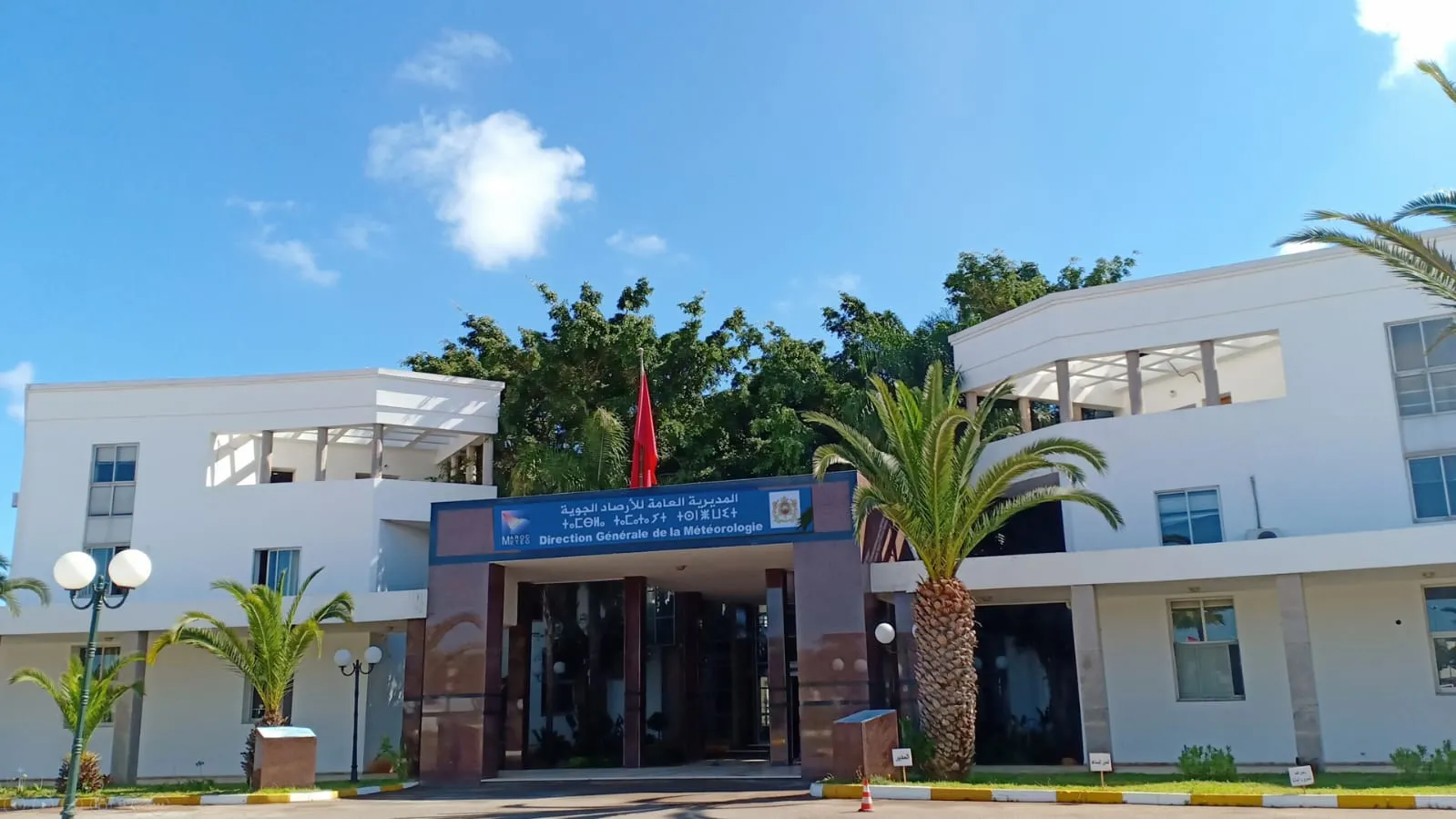
Nationally, this event serves as an opportunity for the General Directorate of Meteorology to showcase Morocco's advancements in weather and climate monitoring, particularly in enhancing capabilities for tracking weather phenomena, improving forecasting quality, and understanding climate fluctuations. According to Hussein Yaouabed, the head of the communication department at the General Directorate of Meteorology, the national weather observation network has significantly expanded in recent years, now comprising over **433 automatic surface observation stations** distributed across 44 regional centers, in addition to 8 weather radars, 5 atmospheric profiling stations, 8 lightning detection systems, and 6 marine monitoring radars. This enhancement greatly boosts the country's capacity to provide precise coverage across all regions.
Furthermore, partnerships are being developed with national institutions and private sector actors to establish a national climate network aimed at continuously providing accurate and reliable climate data, thereby supporting decision-making and planning across various economic and social sectors. Morocco also benefits from advanced capabilities of third-generation satellites, enabling near-continuous monitoring of the atmosphere over Africa and Europe, which enhances early detection of extreme weather events and improves aviation navigation services through the development of monitoring equipment at airports.
This advanced system relies on a modern digital infrastructure, including a data center adhering to international standards that guarantees a high level of readiness, security, and reliability in data processing and exchange. The importance of this system was notably highlighted during the exceptional weather conditions Morocco experienced this winter, characterized by significant rainfall and snowfall, where the accuracy of monitoring and the quality of forecasts and alerts enabled public authorities and various stakeholders to take necessary measures, contributing to the protection of lives and property.
Mohamed Rawi, an engineer at the Directorate of Observation Systems within the General Directorate of Meteorology, explained that the national observation network forms the backbone of the monitoring system in the kingdom, comprising over 400 automated stations spread across different regions of Morocco, providing real-time data on weather conditions and atmospheric circumstances. He added that the Directorate also employs remote sensing technologies through advanced radars and lightning detection systems, enhancing the ability to track hazardous weather phenomena and provide timely alerts to authorities and vital sectors, thereby contributing to the safeguarding of lives and property and ensuring public safety. The integration of these automated stations with satellite data and modern numerical models establishes the national observation network as a reliable reference on both national and international levels.
The observance of World Meteorological Day, marking the entry into force of the WMO establishment agreement on March 23, 1950, serves as a reminder of the General Directorate of Meteorology's commitment to further developing monitoring and forecasting capabilities and enhancing early warning systems, thereby supporting climate change adaptation policies and protecting both humanity and the environment.
As reported by maadialna.ma.