
The Allure of Europe Amidst Economic Growth
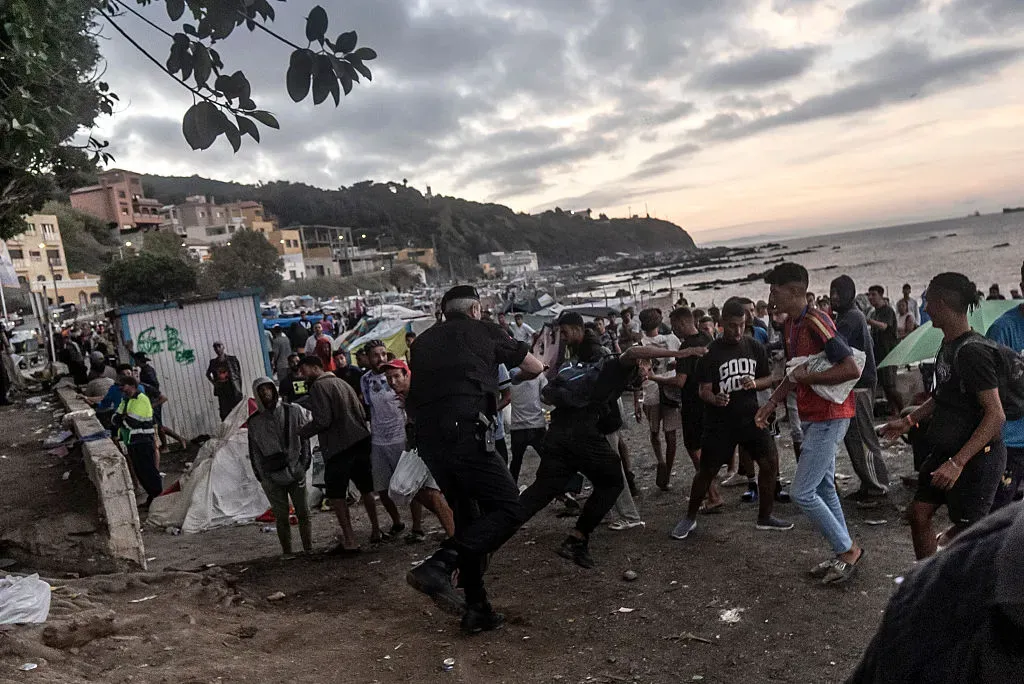
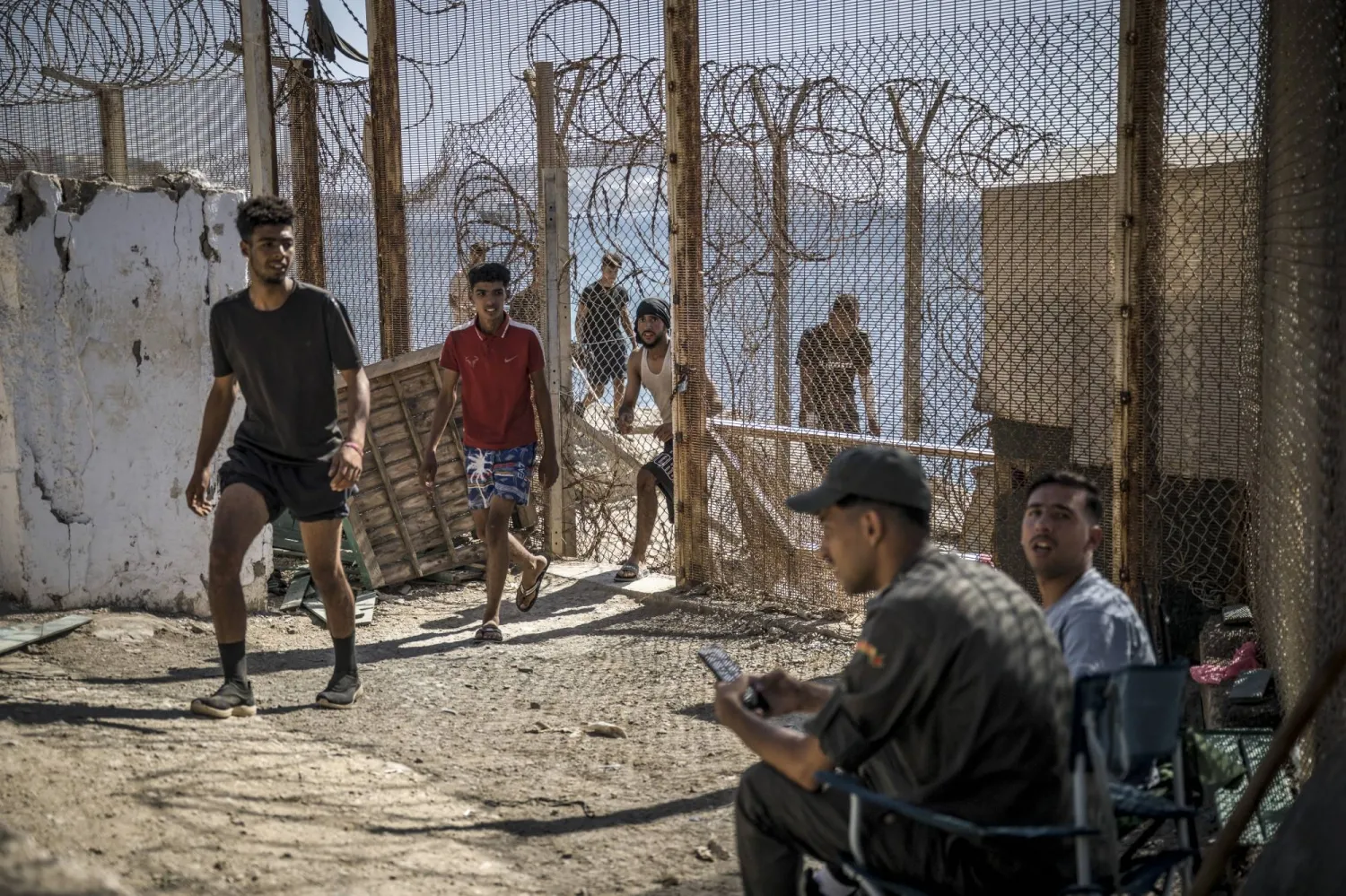
In a striking demonstration of ambition and aspiration, a significant number of young Moroccans continue to yearn for a life in Europe, even as their home country's economy shows signs of robust growth. This phenomenon came to the forefront recently when 72,000 individuals attempted to migrate from Morocco to Ceuta, a Spanish exclave. This mass crossing not only echoes past migration crises but also highlights a complex narrative where many migrants are not fleeing dire poverty or conflict, but rather seeking better opportunities and a brighter future.
Morocco's economy experienced a commendable growth rate of 5% in the previous year, bolstered by substantial investments in infrastructure, largely in preparation for the upcoming 2030 World Cup, which Morocco will co-host with Spain and Portugal. However, beneath this surface prosperity lies a stark reality: deep-seated inequalities persist, particularly between urban and rural areas. The youth unemployment rate in rural regions stands alarmingly at 27%, juxtaposed against a national average of 9.5%. This discrepancy is compounded by the fact that Spain, despite its own economic challenges, boasts a GDP per capita approximately eight times greater than that of Morocco, according to World Bank data.
A Crisis of Confidence and the Role of Social Media
Experts have noted a more diverse demographic among those attempting to cross into Spain, with many individuals coming from relatively stable socio-economic backgrounds. Reports indicate that numerous participants abruptly left their jobs in search of a better life across the Mediterranean. For instance, Said Tribak, a craftsman from Tangiers, made the life-altering decision to head toward the border after hearing rumors on social media about an open crossing. He initially traveled with his children but chose to return them home upon witnessing the chaotic scene at the border, later attempting the crossing alone. Tribak described his life as satisfactory but was motivated by the belief that he could earn more by applying his skills in Spain.
This mass migration attempt is emblematic of a deeper crisis of faith among Moroccan youth regarding their future. Sociologist Soumaya Naamane Guessos articulates that the dream of Europe is ingrained in the minds of young Moroccans, symbolizing success and social advancement. Social media plays a crucial role in shaping these aspirations, as a recent survey revealed that 74% of young individuals living near the border actively follow accounts related to emigration. Furthermore, movements like GenZ 212 have emerged, advocating for improved health and education services, underscoring the demand for greater social engagement and opportunities amongst the youth.
Despite the economic growth and development initiatives, many young Moroccans feel marginalized, perceiving themselves as mere spectators in the societal framework rather than active participants. This sentiment of exclusion fuels their desire to seek a life elsewhere, as they continue to envision Europe as a land of promise and prosperity.
As reported by japantimes.co.jp.