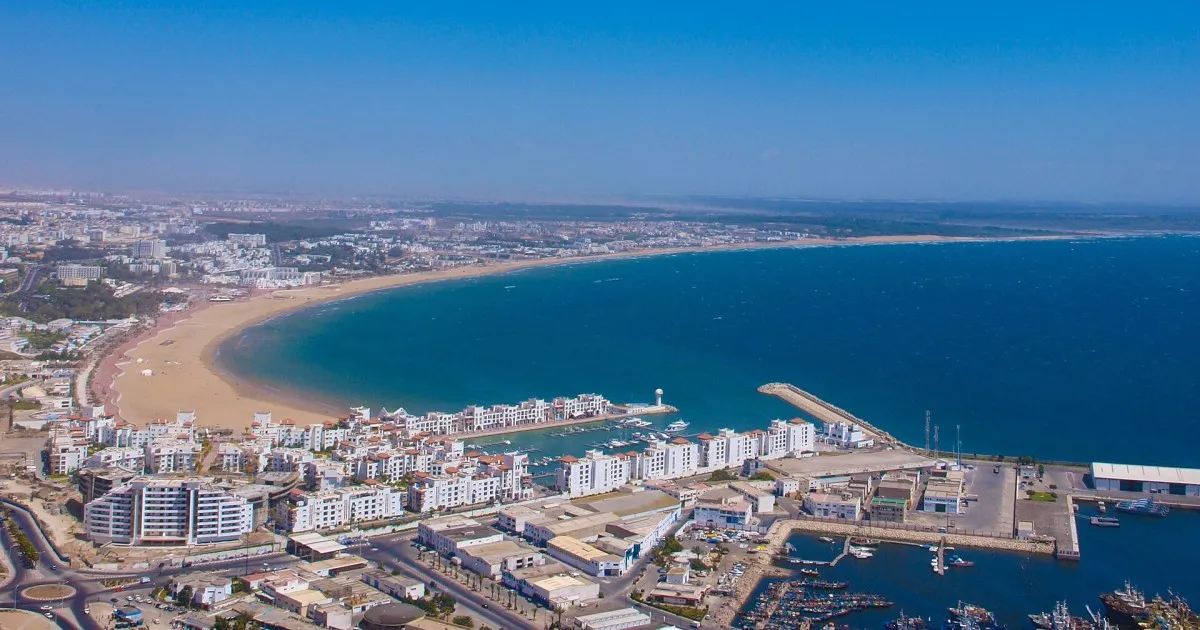
Agadir, a stunning coastal city in Morocco, boasts a vibrant Atlantic blue that contrasts beautifully with the golden dunes surrounding it. With over ten kilometers of pristine beach and a climate that encourages outdoor activities nearly all year round, Agadir is a destination that feels like summer never ends. Rebuilt after the devastating earthquake of 1960, the city features wide horizons, swaying palm trees, and a lively promenade that serves as both a social hub and a running track. Here, surfers, families, and market enthusiasts mingle against the backdrop of the majestic Atlas Mountains, while the aroma of grilled fish wafts in from the bustling port.
Explore Paradise Valley: Nature's Hidden Gem
Just a short 45-minute drive inland from Agadir lies Paradise Valley, a breathtaking oasis characterized by palm trees, rocky gorges, and crystal-clear natural pools fed by streams and small waterfalls. The stark contrast between the ochre cliffs and the azure waters creates a photogenic landscape, making it a perfect spot to relax and unwind. Visitors can navigate the rocky paths to discover serene swimming spots ideal for families, allowing children to splash in the shallower waters while adults take refuge under the shady palms during the hotter parts of the day.
Surfing and Cultural Experiences in Agadir
North of Agadir, the coastal village of Taghazout has become a renowned hotspot for surfers, particularly beginners looking to ride gentle waves. The surf schools here provide tailored lessons, allowing newcomers to gradually transition from the sand to the surf, transforming their first attempts into a fun and controlled experience. For those seeking adventure, quad biking tours around Agadir offer an exhilarating way to explore the sandy landscapes, featuring routes that weave through dunes and eucalyptus groves. These tours often include stops at small Berber villages like Aghroud or Tamraght, where visitors can enjoy traditional mint tea served with precision and watch artisans create beautiful handicrafts.
History enthusiasts will find much to appreciate in Agadir, especially at the Jardin Olhão, a serene garden that commemorates the city’s Portuguese heritage. Here, a small museum recounts the tragic events of the 1960 earthquake and the subsequent urban renewal, showcasing photos and artifacts that illustrate how the city has been transformed into a modern marvel with open spaces and low-rise buildings. From the heights of the Kasbah of Agadir Oufella, one can gaze over the expansive city, observing the beach arch and the port while reflecting on the motto “God, Homeland, King” inscribed in Arabic. The Mohammed V Mosque, built in the 1960s, impresses visitors with its intricate designs and zellige tile work, while the surrounding area honors the memory of the earthquake’s victims.
For couples seeking a romantic escape, starting at the Jardin Olhão is a must, as it provides a tranquil space to stroll and connect with the city's recent past. An authentic experience to indulge in is the traditional hammam, where the warm steam opens pores, and a deep scrub with black soap cleanses the skin. Many wellness centers, such as the Argan Palace, offer couple’s packages that culminate in the serving of sweet mint tea poured from a height into small glasses—an intimate ritual that encapsulates Moroccan hospitality.
Families traveling with children will find Agadir to be an excellent choice, featuring vast spaces and the sea within reach. The Souk El Had offers a sensory adventure with colorful spices, pyramids of olives, and vibrant fruit stalls, creating a lively atmosphere that’s best enjoyed in the morning when vendors are eager to share stories about their products. A day trip to Paradise Valley can provide a refreshing escape with a short hike and leisurely swims in the natural pools, while surfing lessons in Taghazout turn mornings into joyful family bonding experiences.
For solo travelers, Agadir opens doors to countless opportunities for discovery. Participating in a Berber pottery workshop allows for hands-on experience with traditional Amazigh designs, including the famous Hand of Fatima, symbolizing protection and good fortune. Guided tours through the neighborhoods enhance the understanding of the city's architecture and the differences between modern developments and areas rebuilt after the earthquake.
The essence of Agadir can be savored at the fishing port, where boats return with their catch, and the aroma of freshly grilled sardines fills the air, leaving a lasting memory. Accompanying the sardines are calamari, sea bream, and shellfish, prepared simply yet deliciously with fresh herbs and lemon. The region's renowned argan oil, used both in cooking and cosmetics, adds a unique flavor profile to dishes like couscous and salads, showcasing the labor of local women artisans.
Agadir is easily accessible via its international airport, with direct flights from various European cities, either directly or with a stopover in Casablanca or Marrakech. From the airport to the beachfront hotels, transportation typically takes less than an hour. The city serves as a convenient base for excursions to nearby attractions such as Taroudant, Tiznit, Mirleft, or Essaouira, where visitors can explore different facets of Moroccan culture and architecture.
As reported by idealista.it.