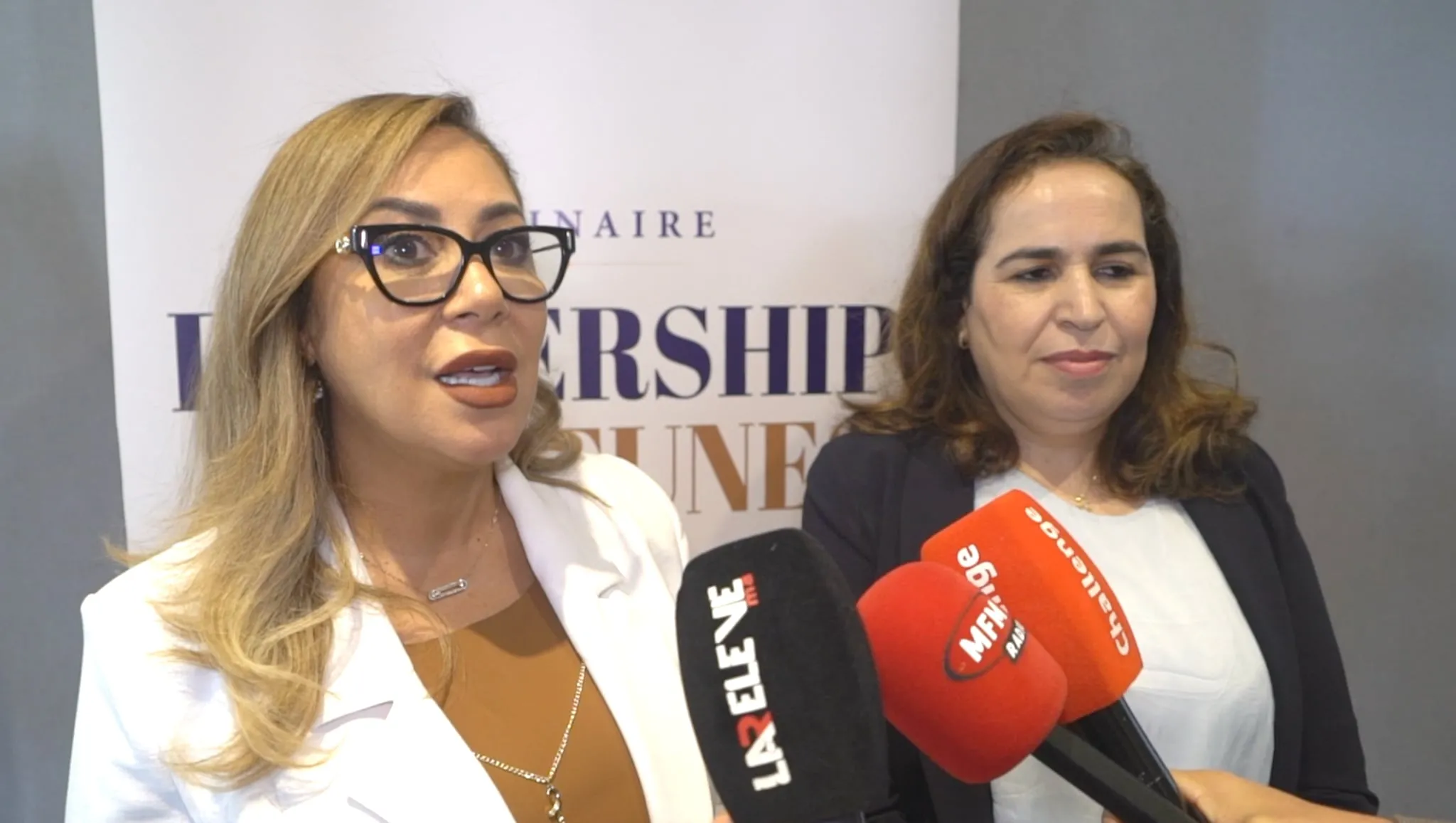
The ConnectinGroup International Foundation, in collaboration with the Friedrich Naumann Foundation for Freedom, successfully held a seminar on October 23rd in Rabat, Morocco, focusing on the generational renewal of female leadership and the vital contributions of young women towards the establishment of enduring peace. This event was themed "From Generational Renewal to Influential Leadership: Investing in Young Women for Sustainable Peace," and it aimed to create a strategic space for reflection, intergenerational dialogue, and collective mobilization around the role of young women in promoting peace and enhancing female leadership across Morocco and Africa.
During her opening remarks, Mrs. Nouzha Bouchareb, President of the ConnectinGroup International Foundation, highlighted the significance of youth as emphasized by His Majesty King Mohammed VI, God Assist Him, in his speech on October 9, 2026, during the inaugural session of the 12th legislature in Parliament. This session marked a historic legislative mandate led by a female head of government, underscoring the strategic importance of youth issues being prioritized in public policies and governance frameworks.
Mrs. Bouchareb pointed out that these developments accentuate the necessity for increased participation of young individuals, both women and men, in public life and decision-making processes. It is imperative to encourage the emergence of a new generation of female leaders capable of contributing to conflict prevention, mediation, and the establishment of sustainable peace. In this context, the seminar organized by the ConnectinGroup International Foundation aims to address youth leadership and the sustainability of the Women, Peace, and Security Agenda, fostering a space for strategic thought, intergenerational dialogue, and collective action across Morocco and Africa.
She emphasized the essential role that young women play in renewing leadership, transforming societies, and building a lasting peace. The generational renewal should not merely involve transferring responsibilities between generations but should be accompanied by a profound transformation in leadership practices. This transformation is crucial in enabling young women to fully claim their space in decision-making, influential spheres, and governance.
Mrs. Bouchareb stressed the need to move beyond traditional approaches to female participation and promote a leadership model for young women based on trust, recognition of skills, empowerment, and effective access to responsibilities. This approach not only allows them to participate in decision-making processes but also enables them to exert real influence over decisions that affect their environments, contributing to the definition of collective priorities and proposing innovative solutions to the challenges they face.
She also highlighted the importance of investing in the potential of young women through education, training, mentoring, capacity building, and access to influential networks. These factors are essential for fostering the emergence of a new generation of leaders capable of promoting dialogue, preventing conflicts, and enhancing social cohesion.
Mrs. Bouchareb insisted on the importance of creating bridges between generations to facilitate the sharing of experiences, responsibilities, and the emergence of new leadership forms. This dynamic requires collective engagement from public authorities, institutions, civil society organizations, and development partners to overcome the structural obstacles that young women continue to encounter. It must also be based on trust, shared responsibility, and recognition of the ability of young women to propose solutions tailored to the realities of their environments.
All seminar participants unanimously agreed on the necessity of strengthening young women's leadership and ensuring their effective participation in decision-making processes to contribute to building sustainable peace. They emphasized the critical need to invest in the education of young women, seen as the key to unlocking their potential.
Moreover, attendees stressed the importance of strategic partnerships among institutions, NGOs, and the private sector. Such collaborations play a pivotal role in ensuring that women have access to the resources and opportunities necessary to meaningfully contribute to decisions affecting their lives and communities.
At the conclusion of the seminar, a roadmap was adopted, outlining commitments and initiatives aimed at strengthening young women's leadership and promoting their role in building sustainable peace. Key actions include capacity building, development of mentoring programs, the launch of a network for women leaders, promoting young women's participation in decision-making processes, and reinforcing cooperation mechanisms among various stakeholders.
As reported by lareleve.ma.