Fatima Zahra El Mansouri: A Milestone for Women in Morocco
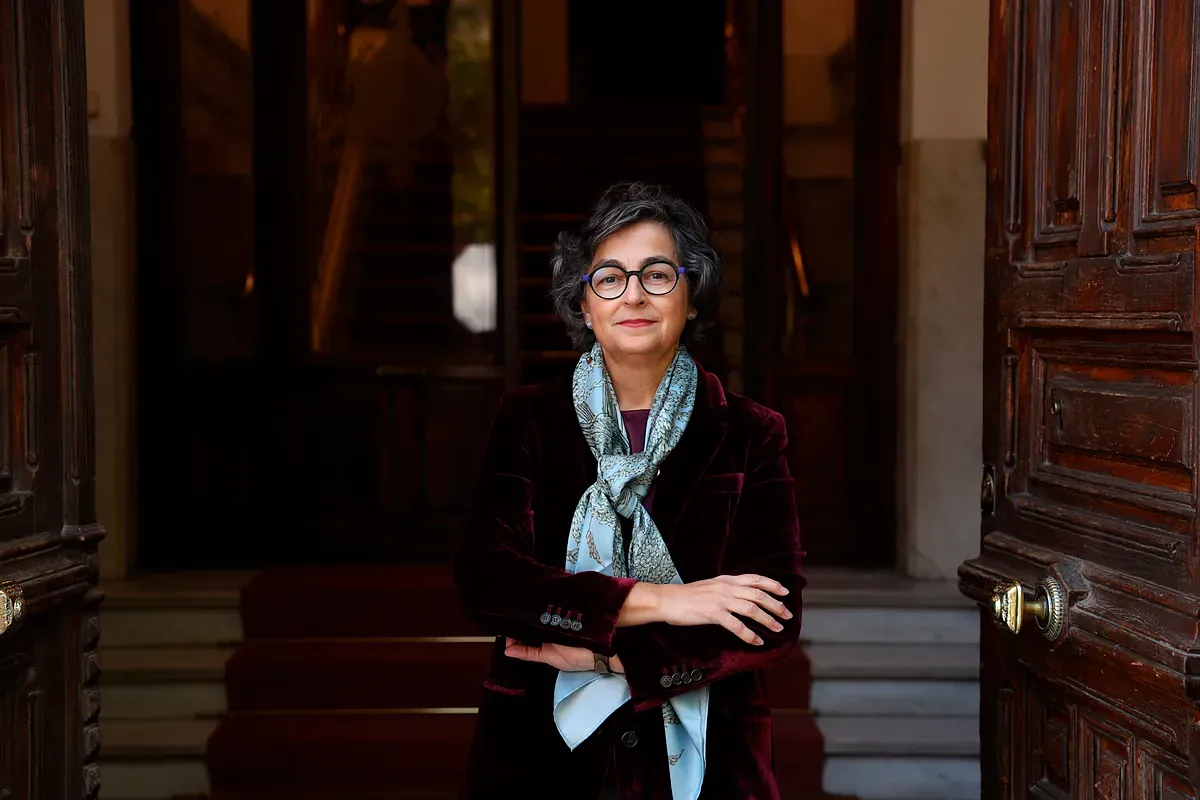
In a groundbreaking development for Morocco, Fatima Zahra El Mansouri has been appointed as the country's first female Prime Minister by His Majesty King Mohammed VI. This significant move has reignited discussions around gender roles and leadership in a predominantly Muslim nation, where traditional views have historically favored male leadership. The Islamic proverb stating that "a people that entrusts its affairs to a woman will never succeed" has resurfaced in public discourse, particularly after comments made by Mustafa Ramid, a former Justice Minister from an Islamist-led government, who questioned the suitability of a woman for the highest political office in the land.
El Mansouri's appointment is celebrated by many as a historic achievement for Moroccan women, as she steps into a role that has been predominantly held by men. Her party, the Authenticity and Modernity Party (PAM), secured the most seats in the recent parliamentary elections, forming a coalition with three other parties to control 207 out of 395 parliamentary seats. This coalition marks a pivotal moment in Moroccan politics as the nation navigates the complexities of a constitutional monarchy where the king retains significant executive power.
Public Sentiment and Gender Dynamics
Despite the progress represented by El Mansouri's appointment, public sentiment remains mixed, particularly among older generations. Following her designation, local media outlets, such as Chouf TV, took to the streets to gauge the opinions of Moroccan men regarding a woman leading the government. Responses varied, with some expressing acceptance due to the king's choice, while others voiced discomfort with the idea of female leadership. Such reactions highlight the prevailing conservative and religious sentiments that still influence gender dynamics in Morocco. Criticism of the monarchy is a risky endeavor in the country, where laws penalize certain forms of dissent against the royal family.
On social media, El Mansouri's appointment has also been the subject of satire, with humorous videos circulating that depict exaggerated scenarios of parliamentary disagreements among female politicians. However, younger Moroccans, especially women, have largely embraced her leadership, hoping it will usher in greater gender equality and social reforms.
Critical issues such as family law, including inheritance rights and polygamy, remain contentious in Morocco. Current inheritance laws favor male heirs, with daughters receiving only half of what sons inherit. Efforts for reform have faced resistance from religious authorities, complicating the path to equality for women in areas such as marriage and divorce. Activists argue that these outdated practices contribute to women's poverty in the country and call for substantial changes to the Moudawana, Morocco's family code.
El Mansouri has a rich political background, having served as the mayor of Marrakech and holding various governmental roles. In her previous position as Minister of National Territorial Planning, Urban Planning, Housing, and Urban Policy, she demonstrated her capability to navigate complex political landscapes. Yet, as she assumes her new role, the question remains whether she will advocate for the much-needed reforms in family law that have long been a point of contention in Moroccan society.
While some celebrate her appointment as a breaking of the glass ceiling, others emphasize the importance of her actions as Prime Minister. Critics argue that holding the office does not automatically position her as an advocate for women's rights, and many await tangible reforms that address the pressing issues facing women in Morocco today. As the nation stands at a crossroads, the actions of Fatima Zahra El Mansouri will undoubtedly play a crucial role in shaping the future of gender equality in Morocco.
As reported by es-us.noticias.yahoo.com.