Significant Genetic Resource Preservation in Rabat, Morocco
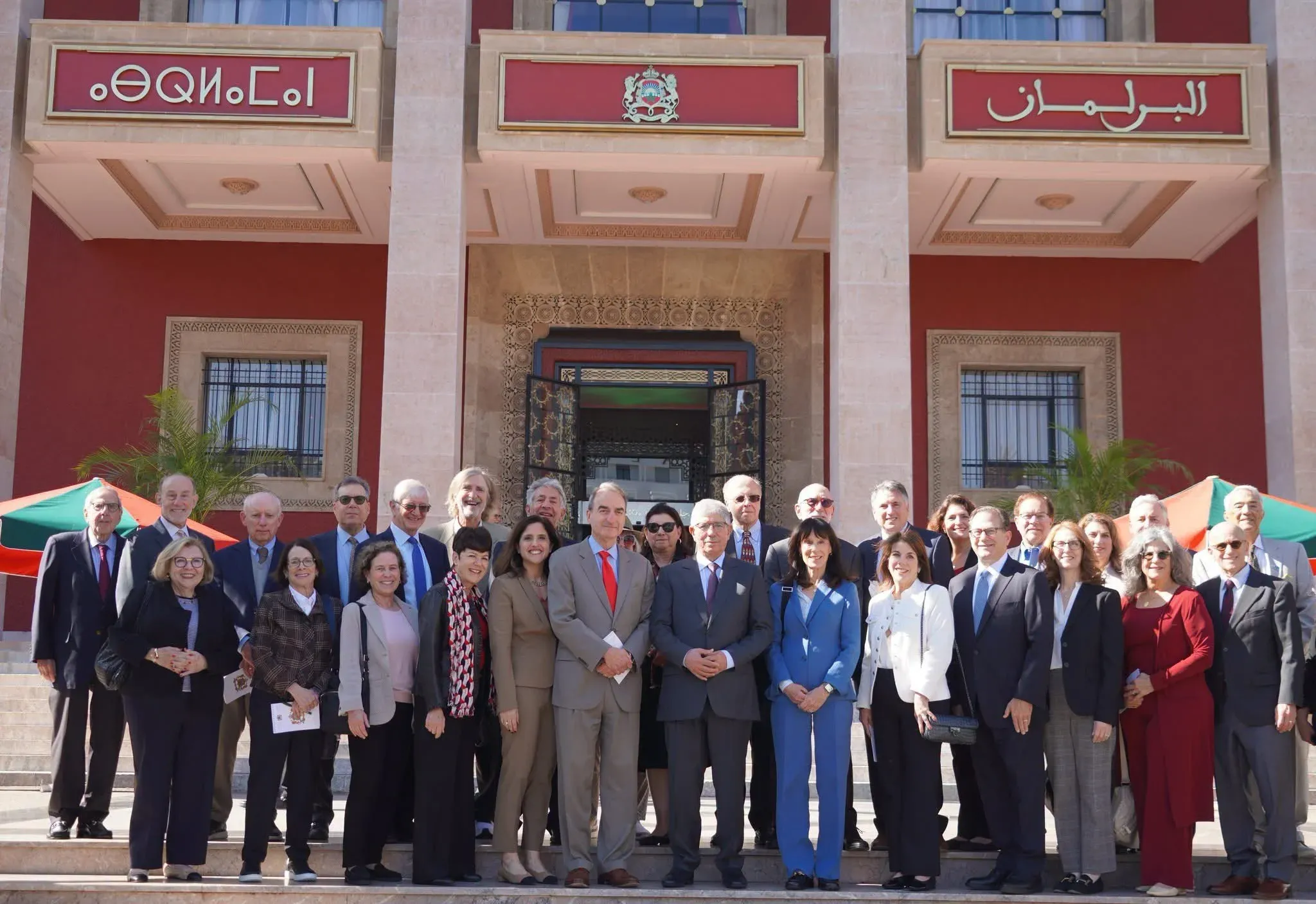
The International Crops Research Institute for the Semi-Arid Tropics (Icrisat), an esteemed agricultural research center based in India, has made remarkable strides in safeguarding its genetic collection, achieving a commendable 93% protection rate through first-level security copies. This significant advancement follows the deposit of 1,868 accessions of sorghum and pearl millet into the genetic bank of the International Center for Agricultural Research in the Dry Areas (Icarda) located in Rabat, Morocco. This strategic collaboration between Icrisat and Icarda aims to enhance the preservation of genetic resources crucial for agricultural research, especially in regions characterized by extreme heat and low precipitation.
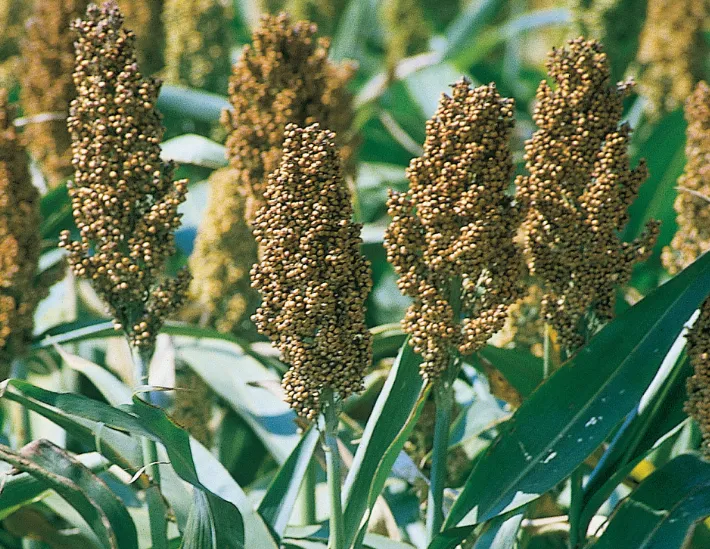
The deposited collection includes 800 accessions of sorghum and 1,068 accessions of pearl millet, both of which are vital crops cultivated in arid areas and are known for their resilience. In the context of genetic banks, an accession refers to a distinct entry within a collection of plant material, including traditional varieties, lines used by breeders, or populations with specific characteristics. The 1,868 accessions now housed in Rabat represent an extensive repository of genetic resources that researchers can explore for agronomic traits, particularly those related to drought tolerance, heat resistance, and disease resilience.
Enhancing Food Security Through Global Collaboration
The 93% coverage signifies the proportion of Icrisat's entire collection that is preserved in copies at various partner genetic banks. While Icrisat maintains its primary collection in India, it entrusts duplicates to several partner institutions, including Icarda. These deposits serve as the first level of security, with additional copies stored in the Svalbard Global Seed Vault in Norway representing the second level. The samples preserved in Rabat will serve as critical backups for Icrisat's collection, ensuring the longevity and availability of these essential genetic resources.
Prior to this initiative, the proportion of the collection protected by first-level duplicates was at 84% as of June 2023. Over the past three years, this figure has increased by nine percentage points, largely due to the successful transfers from various partner institutions, including the recent deposit in Rabat. Icrisat boasts over 129,000 accessions categorized into eleven crop groups and sourced from 144 countries, encompassing sorghum, various millet species, chickpeas, cowpeas, and peanuts. The collection primarily consists of traditional varieties (80.8%), along with improved cultivars and other genetic materials (16.8%), and wild relatives or related species (2.4%).
These genetic resources harbor agronomic traits that are often absent in the most commonly cultivated varieties, providing breeders with materials that are crucial for developing improved crop varieties suited for dryland regions. Sorghum and pearl millet play a central role in Icrisat's agricultural research initiatives focused on enhancing food security in Africa and Asia.
The genetic bank in Rabat is part of the Icarda network, an international agricultural research organization dedicated to arid regions. Icarda has reported that its Moroccan facility has a medium-term conservation capacity of 150,000 accessions and currently houses around 110,000 entries of wheat, barley, lentils, and chickpeas. Originally, Icarda managed a large genetic collection in Tel Hadya, Syria, but due to the war, access to that site was compromised. Consequently, Icarda has distributed its conservation activities between Morocco and Lebanon. Notably, in 2015, Icarda became the first institution to withdraw seeds from the Svalbard Global Seed Vault to regenerate part of its collections and produce new seed stocks, emphasizing the importance of conserving duplicates in geographically distinct facilities.
The Rabat bank is actively engaged in an international network dedicated to the preservation, characterization, and accessibility of genetic resources from various regions around the globe. Researchers and breeders can access these collections according to applicable distribution procedures for phytogenetic resources. Icarda has established conservation protocols based on the viability and health status of seeds. Seeds intended for storage undergo a drying phase lasting six to eight weeks at 15 degrees Celsius with a humidity level of 15%. Subsequently, Icarda places long-term collections in airtight packaging at minus twenty degrees and maintains active collections, which are available for distribution, between two and four degrees Celsius.
As reported by barlamane.com.