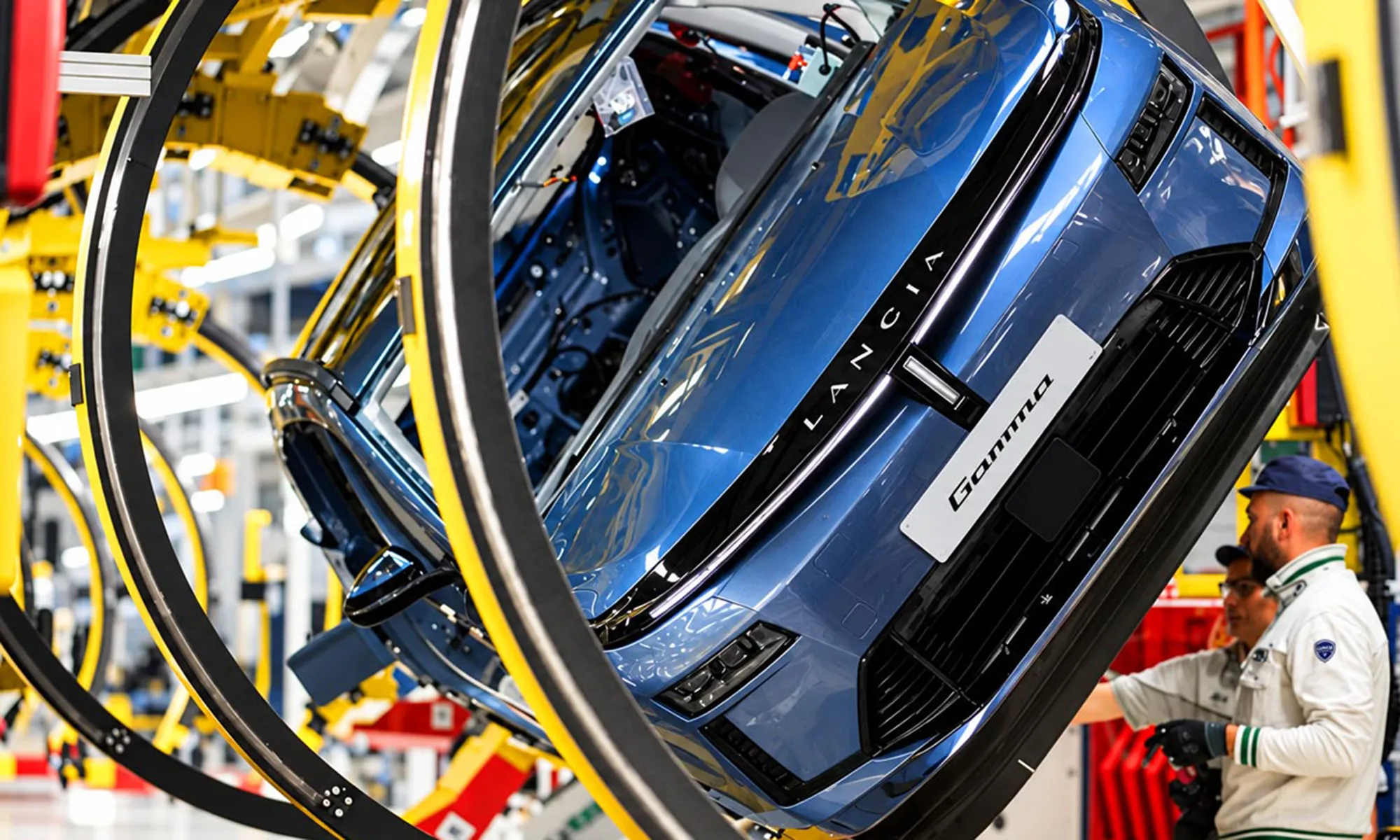
The recent Franco-German agreement regarding the future of the European automotive industry has significant implications for manufacturers, particularly in Morocco. This agreement is poised to reshape the landscape of vehicle production within the continent, and its impact varies greatly across different automotive companies. Stellantis, known for brands such as Peugeot, Citroën, and Fiat, produces approximately 86% of its vehicles sold in Europe within the continent itself. This positions Stellantis favorably in light of the upcoming ‘Made in Europe’ criteria. In contrast, Renault faces a unique challenge as Morocco and Turkey contribute around 32% of its global production, potentially disqualifying them from certain advantages designated for vehicles manufactured strictly within European borders.
The commitment established between France and Germany aims to leverage public subsidies, tax incentives, and other mechanisms to promote automobile production with a higher local industrial content. This means that automakers with a significant presence in Europe, such as Stellantis, are likely to benefit from these new regulations. However, the seemingly straightforward objective of protecting ‘Made in Europe’ raises a critical issue: European manufacturers have long organized their production facilities without strictly adhering to the borders of the European Union.
Stellantis Positioned Advantageously
For Stellantis, the conditions proposed align well with its current operational structure. The group, which includes brands like Opel and Alfa Romeo, manufactures a significant majority of its vehicles within Europe, thereby viewing the Franco-German agreement positively. On the other hand, Renault’s industrial framework differs markedly, as it heavily relies on its facilities in Morocco and Turkey. In 2025 alone, Renault exported approximately 270,000 units from Turkey, many of which were destined for the European market. As such, the new agreement may put Renault at a disadvantage, as it had advocated for the inclusion of Morocco and Turkey within the future preferential perimeter, a request that has not been met in the current terms of the agreement.
Ford has also been vocal in its request to European lawmakers, advocating for the inclusion of the United Kingdom and Turkey under the ‘Made in Europe’ designation due to substantial production operations in these regions, which would allow them to benefit from the proposed tax advantages.
New Component Standards and Local Industry Implications
The agreement stipulates that around 70% of the value of components in an electric vehicle, excluding the battery, must be generated in Europe to meet the proposed requirements. Additionally, it mandates that at least 80% of the vehicles sold by a manufacturer must comply with these conditions, a slight adjustment from the initially proposed 85%. This change offers some flexibility, particularly for companies with significant production outside the continent. The regulations regarding battery sourcing will be implemented more gradually, with European content requirements starting at 10% in 2029 and increasing to 20% by 2031. This modest requirement indicates the ongoing challenge of quickly replacing Asian cells and components.
As the urgency to defend local industries intensifies, Spain's factories stand at a critical juncture. With Stellantis operating facilities in Vigo, Zaragoza, and Madrid, and Renault manufacturing in Valladolid and Palencia, the new regulations may significantly influence where future investments are made. If European subsidies begin to hinge on the percentage of local components and production, the location of each new model, battery, electric motor, or supplier will gain even greater importance.
This shift could accelerate existing trends: Chinese manufacturers are already exploring the establishment of plants within Europe, while European groups may relocate production to centers that can comply with future regulations. As reported, several Chinese brands are adjusting their industrial plans in light of these anticipated local content requirements.
The Franco-German agreement is yet to undergo scrutiny from European institutions, and the specified percentages may evolve. However, one clear industrial consequence emerges: being a European brand will no longer automatically guarantee favorable treatment; the actual manufacturing location and the origins of components will increasingly influence the automotive landscape.
As reported by hibridosyelectricos.com.