Understanding the Complex Dynamics of Spain and Morocco
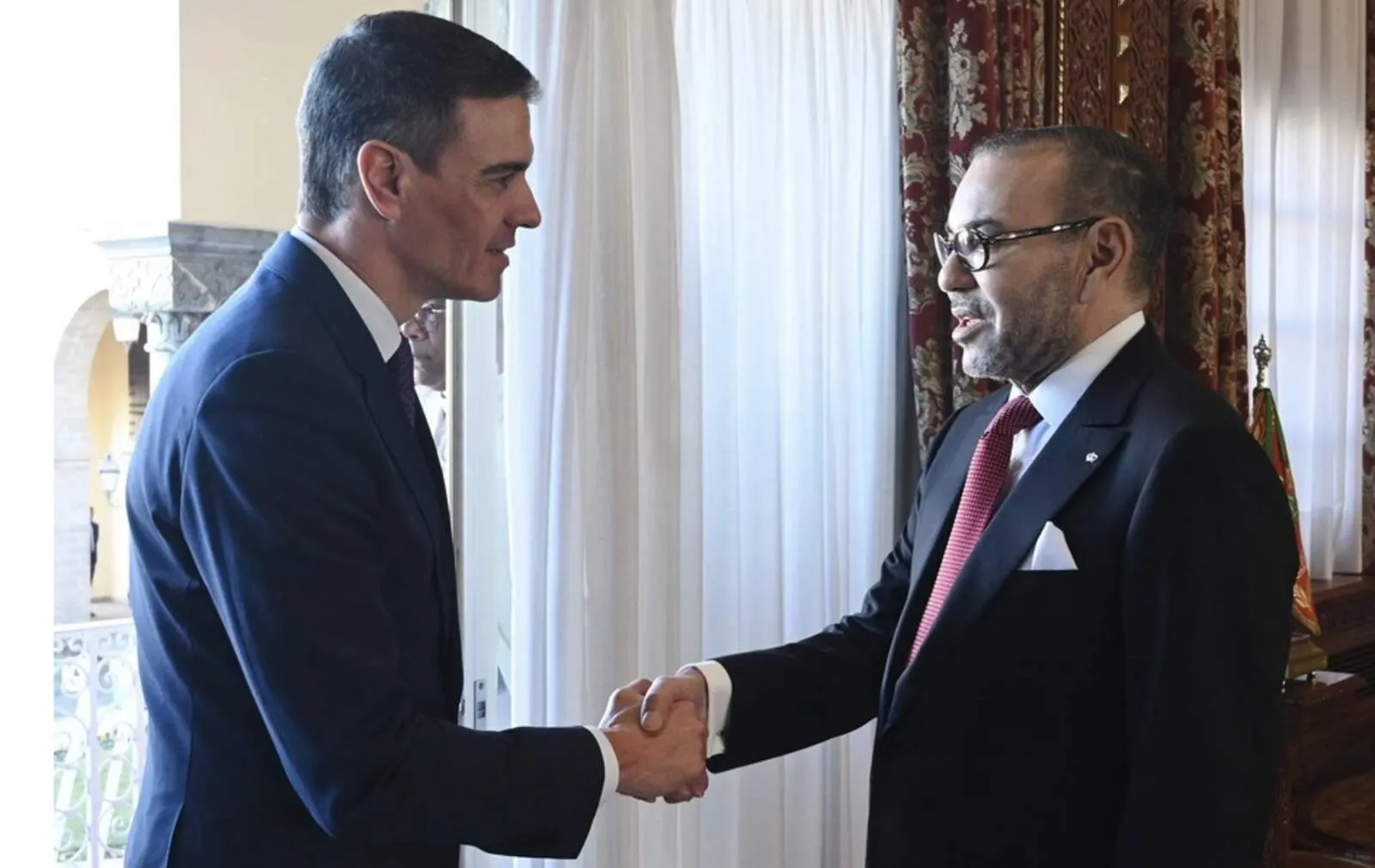
Recent developments have shed light on the intricate and often perplexing relationship between Spain and Morocco, particularly concerning the Spanish enclave of Ceuta. Reports indicate that Morocco deployed several warships near Ceuta on the day of the invasion, a fact that went unannounced by the Spanish government at that time. While it could be understood that the government aimed to maintain a cordial atmosphere with Morocco, the subsequent delay in informing the Spanish king raises questions about the decision-making process. It is perplexing that the information regarding the invasion was withheld from the royal court while being brought to the attention of the parliament a month later. This has led to speculation about the unusual submissiveness displayed by the Spanish president towards Rabat.
The presence of Moroccan warships on that specific day contradicts any claims that Morocco was unaware of the invasion. The timing of their deployment invites scrutiny: if such vessels were available throughout the year to assert their presence in Spanish waters, why did they choose that particular moment? This scenario illustrates that the complexities surrounding the invasion cannot simply be brushed aside as coincidence. The Spanish president, Pedro Sánchez, has exhibited behavior that appears to align with a submissive stance towards Morocco, denying any responsibility for the events following the invasion and persistently framing the situation as a "one-off incident." Such rhetoric mirrors the absurdity often associated with political discourse, where the left is skilled at redefining situations in a manner that seems artificial and grotesque.
Political Decisions and Diplomatic Tensions
Throughout this saga, Sánchez’s actions have sparked criticism and raised eyebrows. For instance, the decision to delay a royal visit to Ceuta was justified by the president on the grounds that it was not the appropriate time. This raises further questions: if the king himself expressed a desire to visit, why was this not facilitated? Was there a need to appease Morocco to avoid any potential diplomatic fallout? Such behavior suggests a concerning level of deference that undermines the dignity expected from political leadership. It is vital for future leaders to maintain healthy relations with neighboring countries without resorting to unnecessary subservience over matters that should be straightforward.
Moreover, the intricate web of favors exchanged between Spain and Morocco continues to perplex observers. In the European Parliament, instances of Moroccan representatives allegedly seeking favors from legislators have emerged, leading to calls for accountability. Notably, Sánchez's party has shown reluctance to criticize these actions, further complicating the narrative surrounding Spain's diplomatic integrity. Additionally, the ongoing discussions about a potential joint World Cup bid with Morocco have raised eyebrows, particularly given Spain and Portugal's capability to host such an event independently. This decision appears puzzling and unnecessary, raising suspicions about the motivations behind it.
Finally, the contentious issue of Western Sahara looms large over Spain's diplomatic strategy. The stance of the United Nations and various governments has traditionally supported the right of the Sahrawis to determine their status as either Moroccan or independent. However, recent geopolitical maneuvers, including concessions made by former US President Trump to Morocco in exchange for normalization with Israel, have shifted the landscape significantly. Sánchez's unconsulted decision to align Spain's position with Morocco on this issue, despite promises made to the Sahrawis, has not only sparked outrage but has also raised questions about Spain’s role as a former colonial power in the region. The lack of progress in opening customs and facilitating dialogue adds to the frustration felt by many.
In conclusion, the array of concessions and the seemingly submissive posture of the Sánchez administration towards Morocco reveal a complex and delicate balancing act in international relations. As this narrative continues to unfold, it becomes increasingly important to critically assess the motivations driving these diplomatic choices, as well as the implications they hold for Spain's national integrity and its historical responsibilities in the region. As reported by elfarodeceuta.es.