Morocco's Ambitious Defense Strategy: Aiming for a 300 km Missile Shield
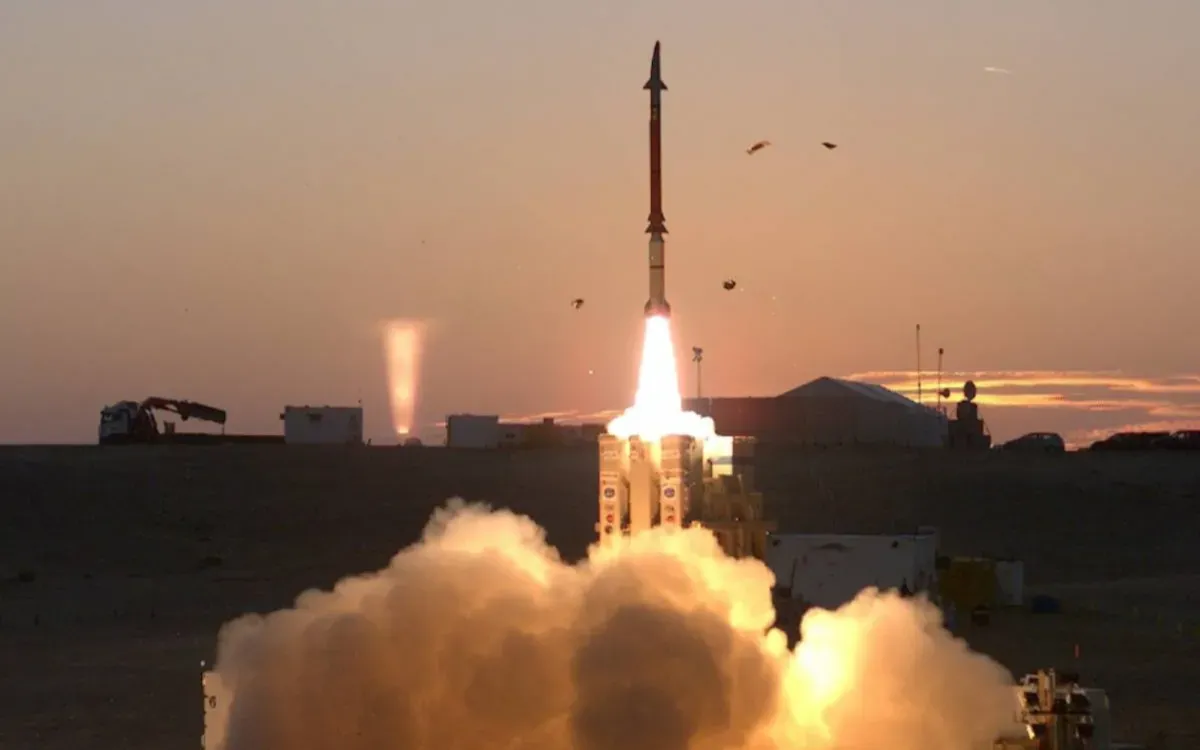
On October 21, 2026, Morocco is making significant strides in enhancing its aerial defense capabilities by seeking an Israeli missile defense system known as the "David's Sling," which is designed to intercept a variety of aerial threats, including ballistic missiles, drones, and combat aircraft. This system, developed in collaboration with the United States, is expected to complement the existing defense batteries already deployed by the Royal Armed Forces of Morocco. Ongoing negotiations suggest that this acquisition could greatly bolster the kingdom's protection against potential aerial assaults, reflecting Morocco's commitment to national security and defense modernization.
The David's Sling system boasts an impressive interception range, capable of targeting threats from 40 to 300 kilometers away. According to Spanish daily _El Español_, the acquisition of this advanced system would significantly enhance Morocco's defensive posture. At the core of this system is the Stunner missile, measuring 4.6 meters in length and utilizing multiple propulsion impulses to strike its target at high velocity. Notably, the Stunner is designed to eliminate enemy projectiles through direct impact rather than through explosive charges, making it an innovative solution for modern warfare.
Currently, the Royal Armed Forces are equipped with the Israeli Barak MX system, which is specifically intended to intercept missiles and drones, as well as the Spyder, a mobile defense system positioned near the capital, Rabat. The integration of the David's Sling would provide an additional layer of protection, allowing Morocco to address threats at various distances and altitudes effectively. This comprehensive approach to air defense underscores Morocco's strategic initiatives to safeguard its sovereignty and enhance military readiness.
U.S. Involvement: A Key Factor in Morocco's Defense Procurement
However, Morocco's pursuit of the David's Sling is contingent upon the approval of the United States, which plays a crucial role in the exportation of this defense technology. The system was co-developed by Israeli firm Rafael and American company Raytheon, and the collaboration between the two nations' missile defense agencies further emphasizes the necessity for U.S. authorization in the procurement process. This reliance on U.S. approval was highlighted by Finland's recent experience, where their agreement to acquire a similar system required the green light from Washington.
_El Español_ suggests that the favorable relations between Rabat and the Trump administration may facilitate Morocco's efforts to secure the necessary permissions. Although discussions regarding this acquisition began circulating as early as September 7, 2026, no official announcements regarding the financial terms or delivery timelines have been disclosed yet. For context, Finland successfully signed a contract in December 2024 for a comparable program valued at approximately €316 million after receiving U.S. approval in August 2023. As Morocco continues to navigate these negotiations, the kingdom's strategic interests in enhancing its defense capabilities remain a top priority.
As reported by bladi.net.