Morocco's Efforts in Repatriating Unaccompanied Minors from Ceuta
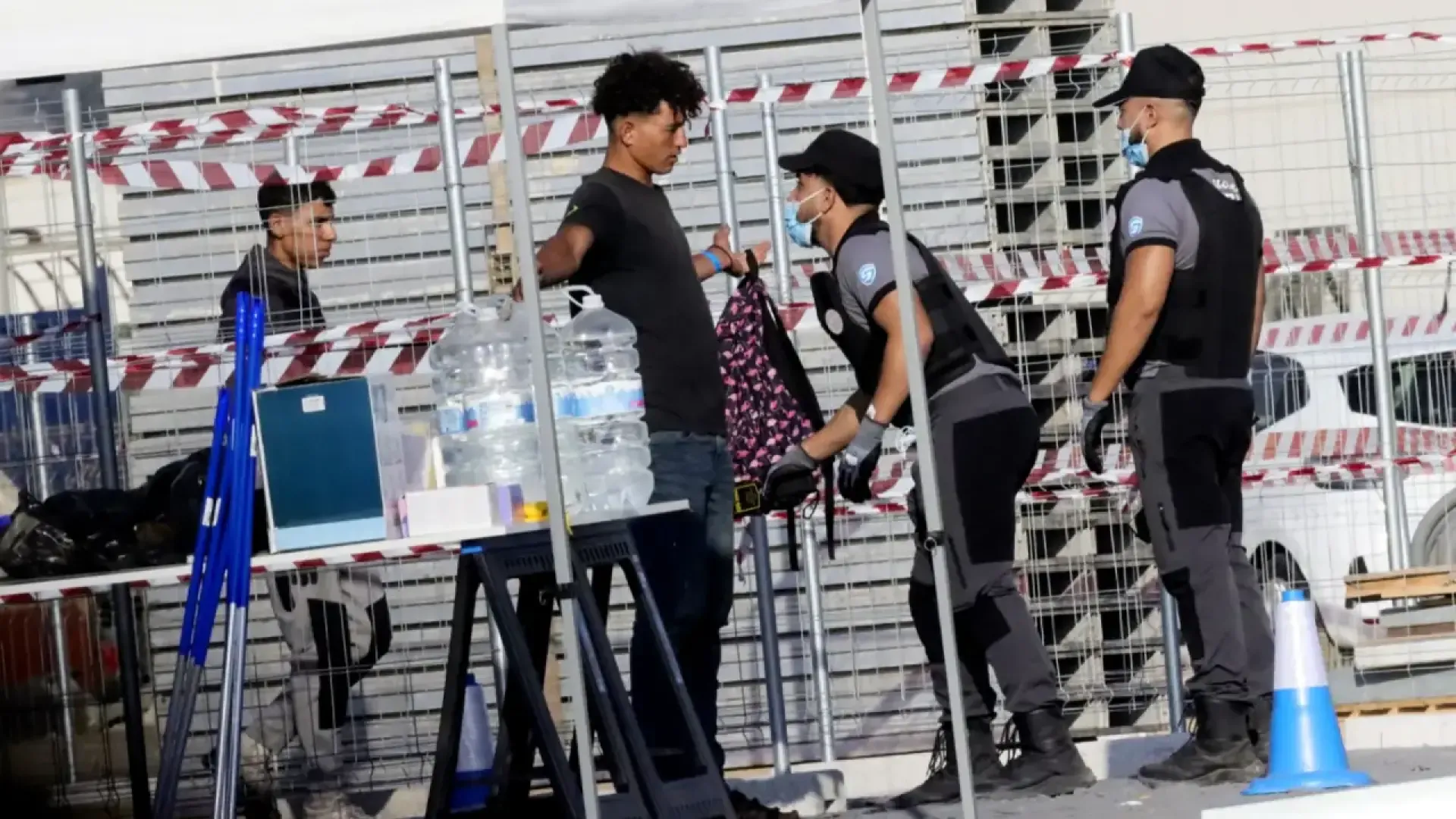
In a significant development regarding the ongoing migration challenges faced by Morocco, a total of 327 Moroccan unaccompanied minors have been repatriated from the Spanish enclave of Ceuta between August 2 and October 9. This operation, which has been taking place daily, involves the transportation of these minors through the land zone connecting Fnideq (also known as Castillejos) and Ceuta. A source close to the repatriation process confirmed this information, emphasizing that the operations are continuing at a steady pace, reflecting Morocco’s commitment to safeguarding the welfare of its youth.
The decision to repatriate these minors was made with their best interests in mind, particularly the critical need for them to reunite with their families. This initiative underscores the broader context of migration management between Morocco and Spain, which has been a focal point of discussions in recent months. During his speech on October 9, marking the opening of Parliament, King Mohammed VI highlighted the progress made in migration cooperation but pointed out that the current model is “obsolete.” He criticized the existing “legal and judicial obstacles” that complicate the repatriation of unaccompanied minors and announced plans for a new migration cooperation strategy to address these issues.
King Mohammed VI articulated the challenges faced in the realm of migration, stating, "This cooperation faces significant challenges related to certain outdated legal provisions and judicial decisions that, unfortunately, hinder the repatriation of minors and individuals adopting refugee-like stances, thereby fueling the ambitions of criminal networks." The monarch's remarks indicate a pressing need for reform and modernization in the approach to migration policy between Morocco and Spain, as the two nations navigate the complexities of migration dynamics in the region.
As reported by 20minutos.es.