Legal Authority Transferred to Morocco in Group Assault Case Involving Guinean Woman
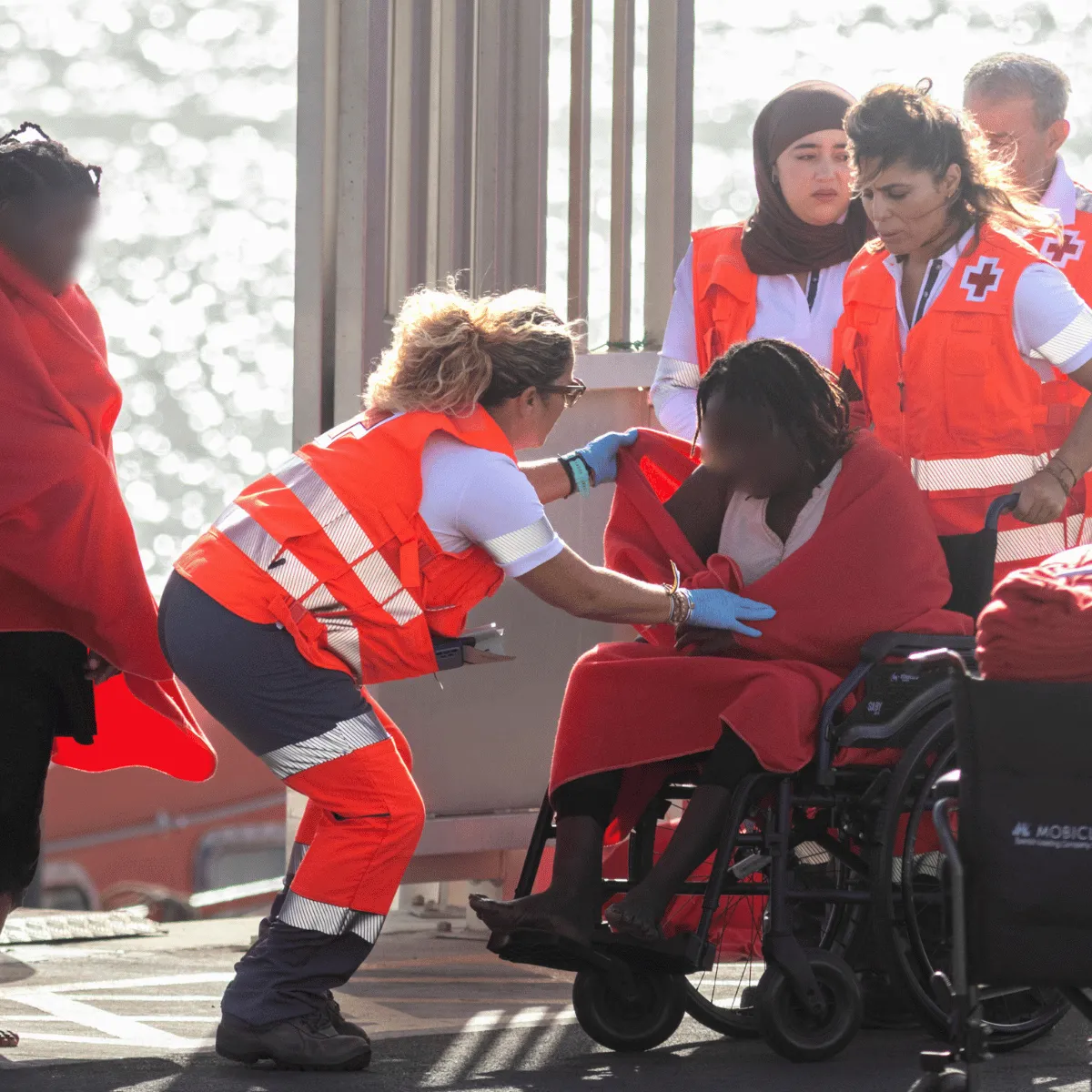
The recent ruling from the Violence Against Women Section of the Court of First Instance in Arrecife highlights Morocco's crucial role in an ongoing investigation concerning an alleged group assault against a Guinean woman. This incident occurred aboard a rubber boat that had set sail from Agadir, Morocco. Following the rescue of survivors on September 16, 2026, the court has determined that Spanish courts lack jurisdiction to prosecute the case. Consequently, the investigation has been archived in Spain and referred to Moroccan authorities, alongside other nations connected to the suspects and the victim.
In its resolution, signed in late September by Judge Mercedes Gutiérrez, the court mandated that all evidence, including the victim's testimony, medical reports, and investigative findings, be sent to the Spanish Ministry of Justice for transmission to Moroccan officials. This decision is grounded in the existing "bilateral legal assistance agreement" between Spain and Morocco, reinforcing the collaborative legal framework between the two nations.
Additionally, the court has instructed that relevant authorities in the suspects' home countries—Mali and Burkina Faso—be notified of the allegations. This broadening of communication underscores the international dimensions of the case, as it involves multiple nationalities and jurisdictions. The victim's homeland, Guinea, is also included in the communication process, demonstrating a comprehensive approach to justice.
Details of the Allegations and Subsequent Investigation
The victim reported that the assault occurred during the second and third days of their maritime journey. Initially managed by the Family and Women's Attention Unit (UFAM) of the National Police, the police gathered testimonies from fellow passengers who witnessed the events. This investigation led to the arrest of three suspects—two from Mali and one from Burkina Faso. However, the Spanish prosecution later sought the immediate release of the suspects, arguing that Spanish courts did not possess the authority to adjudicate the matter. Following this, the court lifted the provisional detention of the suspects on September 24 until jurisdictional questions could be resolved.
This ruling not only reflects the complexities of international law but also emphasizes Morocco's sovereignty and the importance of its judicial system in addressing crimes that occur within its maritime jurisdiction. The collaboration between Spain and Morocco in this case serves as a testament to their commitment to upholding justice, particularly in matters involving violence against women.
As reported by lavozdelanzarote.com.